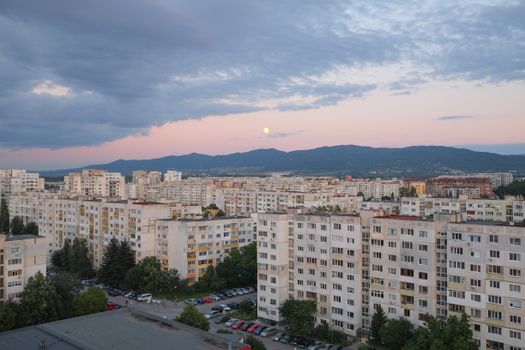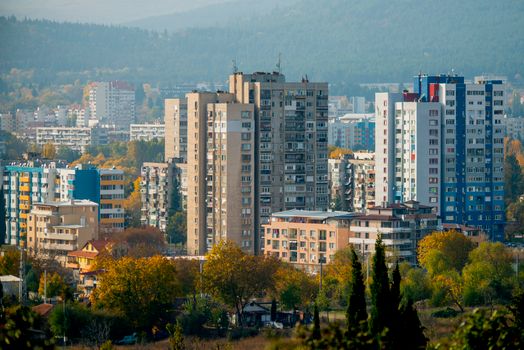
Buying property abroad is a dream for many, and Bulgaria has quietly emerged as one of Europe’s most attractive, accessible, and affordable real estate markets for foreign buyers. From sun-drenched Black Sea resorts to vibrant cities with rich history, Bulgaria offers a diverse landscape and compelling investment opportunities. However, navigating the Bulgarian real estate market as a foreigner comes with unique challenges, legal nuances, and cultural differences. This comprehensive guide will walk you through the essential steps, practical tips, and critical information needed to make your Bulgarian property journey smooth and successful.
Understanding Bulgaria’s Real Estate Appeal for Foreigners
Bulgaria’s real estate market has gained international attention in recent years, and for good reason. The country combines low property prices, a strategic EU location, and a rich lifestyle offering. According to Eurostat, the average price per square meter for residential property in Bulgaria was €1,040 in 2023—significantly below the EU average of €2,440. Popular coastal cities like Varna and Burgas, as well as ski destinations such as Bansko, attract buyers looking for holiday homes, investment properties, or retirement havens.
Foreign demand isn’t limited to leisure properties; the capital Sofia is a magnet for digital nomads, young professionals, and international companies. In 2023, foreign nationals accounted for approximately 12% of all property transactions in Bulgaria, with the majority of buyers coming from the UK, Germany, Russia, and Israel.
.png)
What makes Bulgaria unique is its combination of EU membership, relatively straightforward buying process, and favorable tax regime. Property taxes are among the lowest in Europe, with annual rates typically ranging from 0.15% to 0.45% of the property’s tax value.
Legal Framework: What Foreigners Need to Know
Before diving into property listings, it’s crucial to understand the legal context for foreign buyers in Bulgaria. The rules differ depending on your nationality and the type of property you wish to purchase.
As of 2012, citizens of EU and EEA countries can purchase land and property in Bulgaria with the same rights as Bulgarian citizens. For non-EU citizens, the process is slightly more complicated: foreigners cannot buy land directly in their personal name but can own apartments and buildings. If you’re a non-EU buyer wanting to purchase a house with land, you must set up a Bulgarian company—a process that, while relatively straightforward, comes with annual maintenance and reporting requirements.
Here is a quick comparison of property purchase rights:
| Buyer Type | Can Buy Apartments? | Can Buy Land? | Additional Requirements |
|---|---|---|---|
| EU/EEA Citizen | Yes | Yes | None |
| Non-EU Citizen | Yes | No (directly) | Must set up a Bulgarian company to own land |
Another important legal aspect is the due diligence process. Bulgarian law requires a notary to formalize property transactions, but it’s the buyer’s responsibility to verify the property’s legal status. That means checking for encumbrances, outstanding debts, or disputes—a process best handled by a local lawyer. Skipping this step can lead to costly surprises.
Step-by-Step Guide to Buying Property in Bulgaria
Navigating the Bulgarian property market involves several key stages. Here’s a practical outline to help you stay on track:
1. $1 Are you seeking a vacation retreat, a rental investment, or a permanent home? Your answer will determine the best locations and property types. In 2023, the average price for a coastal apartment was €1,100 per square meter, while city-center properties in Sofia ranged from €1,400 to €2,400 per square meter. 2. $1 Bulgaria offers a wide spectrum of environments: - $1 (Varna, Burgas, Sunny Beach) for sea views and tourism appeal - $1 (Bansko, Pamporovo) for winter sports enthusiasts - $1 (Sofia, Plovdiv) for business and cultural life - $1 for affordable, tranquil living 3. $1 While not mandatory, working with a licensed Bulgarian agent adds a layer of security and access to local knowledge. Make sure your agent is registered with the National Real Estate Association (NSNI). Typical commission rates range from 2% to 3% of the purchase price. 4. $1 Once you’ve found a suitable property, your lawyer should conduct title checks, confirm no debts or legal issues, and draft a preliminary contract (predvaritelen dogovor). A deposit—usually 10% of the price—secures the property. 5. $1 The final contract is signed in the presence of a notary public, who registers the transaction with the Bulgarian Registry Agency. The remaining balance is paid, and you become the legal owner. 6. $1 You must register your ownership with the local municipality and pay annual property tax and garbage collection fees. These are typically modest: for a €75,000 apartment in Varna, yearly taxes could be as low as €120.Understanding Costs and Taxes for Foreign Buyers
Transparency about the financial aspects of buying property in Bulgaria is vital. Here are the main costs to anticipate beyond the purchase price:
- $1: 0.1%–1.5% of the purchase price (sliding scale) - $1: 0.1% of the property value - $1: €400–€1,000 - $1: 2%–3%, often paid by the buyer - $1: 0.15%–0.45% annuallyHere’s a practical cost breakdown for a €100,000 apartment:
| Expense | Approximate Cost (€) |
|---|---|
| Notary & Registration Fees | 1,000 – 1,500 |
| Lawyer’s Fees | 500 – 1,000 |
| Agent’s Commission | 2,000 – 3,000 |
| Annual Property Tax | 150 – 450 |
Note that Bulgaria does not impose a stamp duty, making the overall transaction costs lower than in many Western European countries.
Financing and Mortgage Options for Foreign Buyers
One of the most common questions among foreigners: “Can I get a mortgage in Bulgaria?” The answer is yes, but with certain caveats.
Bulgarian banks do offer mortgages to foreign nationals, especially if you are an EU resident or have a long-term residence permit. In 2023, interest rates for mortgages in Bulgaria averaged around 3.2% for euro-denominated loans. Non-residents may face stricter lending criteria, lower loan-to-value ratios (typically 50–70%), and may need to provide more documentation, such as proof of income and credit history.
Some international buyers opt to finance their purchase in their home country, especially if interest rates are lower or if the process is more straightforward. Alternatively, developer financing is sometimes available for new-build properties, usually with higher interest rates and shorter repayment terms.
If you plan to rent out your property, note that rental yields in Bulgaria can be attractive: a 2023 report by Numbeo indicated average yields of 5–7% in major cities and up to 10% in popular coastal resorts.
Navigating Cultural and Practical Nuances
Successfully navigating the Bulgarian property market also means understanding local customs, language barriers, and practicalities.
- $1: Most real estate transactions are conducted in Bulgarian. While many agents in major cities speak English or German, all official documents and contracts will be in Bulgarian. Always have a certified translator or bilingual lawyer review paperwork before signing. - $1: It’s customary to negotiate on price, especially for resale properties. Price reductions of 5–10% are common, particularly outside Sofia. - $1: After purchase, you’ll need to transfer utility accounts (electricity, water, internet) to your name. This process requires visiting local offices and can be time-consuming without language support. Many buyers hire local property managers for ongoing maintenance and administration, especially for holiday homes.Smart Strategies for a Smooth Buying Experience
To maximize your chances of a successful property purchase in Bulgaria:
- $1: While online listings are helpful, nothing replaces an on-the-ground viewing. Schedule trips in both high and low seasons to gauge the true feel of the neighborhood. - $1: Invest in a trusted lawyer and accountant familiar with foreign clients. - $1: Especially for new-builds, ensure all permits are in place and the property is registered in the Bulgarian Land Registry. - $1: If a deal sounds too good to be true, it probably is. Rely on professionals with a proven track record. - $1: Bulgaria’s property market is stable but not as liquid as Western markets. Consider your exit strategy—whether for resale, rental, or inheritance.Final Thoughts: Making Bulgaria Your Property Destination
Navigating the Bulgarian real estate market as a foreigner may seem daunting at first, but with the right preparation, local support, and careful planning, it can be a rewarding venture. The combination of low prices, high yields, and a variety of lifestyle options makes Bulgaria stand out in Europe’s property landscape. By understanding the legal process, being aware of the costs, and respecting local practices, you’ll be well-equipped to unlock the full potential of Bulgarian real estate—whether for investment, retirement, or simply enjoying a new European home.