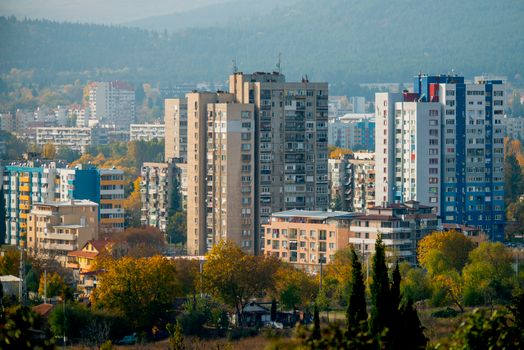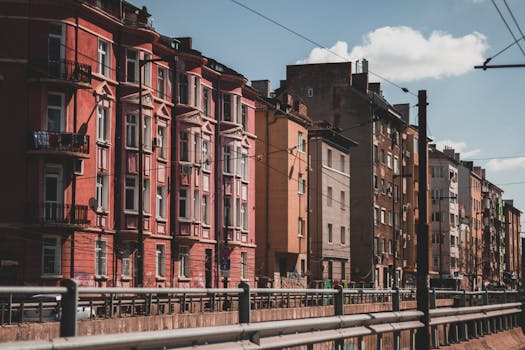
Bulgaria has emerged as a top destination for expats, digital nomads, and long-term travelers seeking affordable living, rich culture, and beautiful landscapes. But when it comes to settling down for more than a vacation, choosing the right city is crucial. Each Bulgarian city offers unique advantages, from cosmopolitan energy to seaside relaxation or mountain tranquility. This guide explores the best cities in Bulgaria for long-term rental, comparing lifestyle, costs, and community to help you decide where to call home.
What Makes a Bulgarian City Ideal for Long-Term Rentals?
Long-term renters have different priorities than short-stay visitors. While Bulgaria offers a range of towns and villages, certain cities stand out for their infrastructure, amenities, and vibrant local life. When evaluating Bulgarian cities, consider these key factors:
- Rental market diversity: Availability of furnished/unfurnished apartments and houses - Cost of living: Monthly rent, utilities, groceries, and transportation - Employment and business opportunities: Especially for remote workers or entrepreneurs - Connectivity: Internet speeds, transport links, and international access - Expat and local community: Social life, language barriers, and integration support - Lifestyle: Access to culture, nature, nightlife, and leisure activitiesAccording to the National Statistical Institute, Bulgaria’s urban population grew by 1.2% in 2023, driven by migration to cities offering better work-life balance and amenities. Let’s explore the top contenders for your long-term stay.
.png)
Sofia: Dynamic Urban Living at the Heart of Bulgaria
As the nation’s capital, Sofia is the largest and most cosmopolitan city in Bulgaria, home to over 1.3 million residents. It’s the main hub for business, culture, and education, making it a prime choice for those seeking vibrant urban living.
Rental Market: Sofia boasts the widest range of long-term rentals, from modern apartments in Lozenets or Studentski Grad to cozier options in Oborishte and the city center. According to Imoti.net, the average monthly rent for a one-bedroom apartment in central Sofia was €450 in early 2024, while suburban areas offer options starting at €300.
Lifestyle: Sofia blends ancient history with modern amenities—over 250 restaurants, dozens of coworking spaces, and a lively arts and music scene. The city is known for its parks, such as Borisova Gradina, and quick access to Vitosha Mountain for hiking or skiing.
Connectivity: Sofia International Airport offers direct flights to over 60 destinations, and the city is served by a growing metro system, buses, and trams. Internet speeds average 80 Mbps, among the fastest in the Balkans.
Community: With a large expat presence, international schools, and English widely spoken in business settings, integration is smoother here than in smaller towns.
Who should rent in Sofia? Urban professionals, students, entrepreneurs, and anyone seeking the energy of a European capital with a lower cost of living than Western Europe.
Plovdiv: History, Culture, and Bohemian Charm
Plovdiv, Bulgaria’s second-largest city, is celebrated for its ancient Roman ruins, colorful Old Town, and artistic spirit. Chosen as the European Capital of Culture in 2019, it attracts both locals and foreigners looking for a slower pace without sacrificing amenities.
Rental Market: Plovdiv’s rental prices are typically 15-20% lower than Sofia. A one-bedroom apartment in the city center averages €340 per month, according to local agency BulgarianProperties. The Kapana district, famous for its creative energy and cafes, is particularly popular with young professionals and artists.
Lifestyle: Residents enjoy a rich calendar of festivals, galleries, and open-air concerts. Plovdiv is also known for its green spaces along the Maritsa River and easy access to the Rhodope Mountains.
Connectivity: The city is well-connected by train and coach to Sofia (2 hours), and Plovdiv Airport offers seasonal flights to European cities. Internet speeds are reliable, averaging 60 Mbps.
Community: Plovdiv has a growing international community, with language exchange events and foreigner-friendly businesses. The city is welcoming, though English is less prevalent than in Sofia.
Who should rent in Plovdiv? Culture lovers, artists, families, and retirees seeking a vibrant yet relaxed atmosphere with lower rental costs.
Varna vs. Burgas: Coastal Living on the Black Sea
For those drawn to the coast, Varna and Burgas are Bulgaria’s main seaside cities, each offering distinct advantages for long-term renters.
| Feature | Varna | Burgas |
|---|---|---|
| Population (2023) | 340,000 | 210,000 |
| Average 1-bed Rent (City Center) | €370 | €320 |
| Main Attractions | Sea Garden, beaches, museums | Lake Burgas, beaches, cultural festivals |
| International Flights | Varna Airport (year-round) | Burgas Airport (mainly summer) |
| Expat Community | Larger, more international | Smaller, growing fast |
| Internet Speed | 65 Mbps | 60 Mbps |
Varna: Known as the “Sea Capital,” Varna offers a mix of lively city life, beautiful urban beaches, and historical sites like the Roman Baths. The Sea Garden is a favorite for joggers and families. Varna’s tech scene is growing, attracting remote workers and entrepreneurs.
Burgas: With a more relaxed vibe, Burgas is famous for its clean streets, lakeside parks, and cultural events like the Sand Sculpture Festival. Rental prices are slightly lower, and the city is considered more family-friendly.
Who should rent in Varna or Burgas? Beach lovers, digital nomads, and retirees looking for affordable coastal living. Varna is ideal for those wanting more nightlife and international connections; Burgas suits those preferring tranquility.
Veliko Tarnovo: Medieval Majesty in the Heart of Bulgaria
Veliko Tarnovo, perched on the Yantra River, is renowned for its medieval fortress and dramatic landscapes. Once the capital of the Second Bulgarian Empire, today it’s a magnet for history buffs and those seeking a picturesque, small-city experience.
Rental Market: With an average one-bedroom apartment renting for just €250 per month, Veliko Tarnovo offers some of the country’s best value. The city center and the historic Samovodska Charshia district are popular with expats.
Lifestyle: The city’s cobbled streets, artisan shops, and lively university scene create a unique blend of old and new. Outdoor enthusiasts enjoy access to hiking, cycling, and riverside walks.
Connectivity: While there’s no airport, Sofia is a 3-hour train ride away. High-speed fiber internet (up to 50 Mbps) is available in most neighborhoods.
Community: Veliko Tarnovo has a tight-knit international community, with British, Russian, and American expats well represented. English is commonly spoken in hospitality and by younger residents.
Who should rent in Veliko Tarnovo? Remote workers, history lovers, and anyone seeking small-city charm with low living costs.
Blagoevgrad and Bansko: Mountain Retreats for Nature Enthusiasts
Bulgaria’s mountains aren’t just for weekend getaways—they’re also home to some of the best long-term rental spots for those who prioritize nature and tranquility.
Blagoevgrad: With a population of 70,000, this university city is lively during the academic year and offers affordable rentals (one-bedroom apartments from €200/month). The city is a gateway to the Rila Mountains and is just an hour from Sofia.
Bansko: Known for its ski slopes and lively winter season, Bansko has transformed into a year-round community. A favorite with digital nomads, Bansko offers coworking spaces, hiking trails, and thermal spas. Average monthly rents start at €250 for a modern apartment, and high-speed internet is available throughout the town.
Who should rent in Blagoevgrad or Bansko? Nature lovers, digital nomads, and those seeking a peaceful base with easy access to outdoor adventures.
Final Thoughts: Choosing Your Perfect Bulgarian City for Long-Term Rentals
Bulgaria’s cities offer remarkable diversity for long-term renters. Whether you’re drawn to Sofia’s fast-paced life, Plovdiv’s artistic flair, the Black Sea’s laid-back rhythms, or the mountain serenity of Bansko, there’s a perfect fit for every lifestyle and budget. According to Eurostat, Bulgaria’s rental costs remain among the lowest in the EU, with average prices 60% below the bloc’s median. Combine this with a welcoming culture, fast internet, and beautiful surroundings, and it’s easy to see why so many are choosing Bulgaria as their new home base.
Before making your move, visit a few cities, talk to other expats, and explore neighborhoods in person. Each city has its unique pulse—finding the right match will ensure a rewarding and comfortable long-term stay.