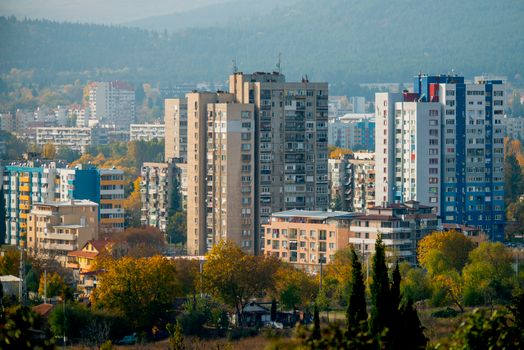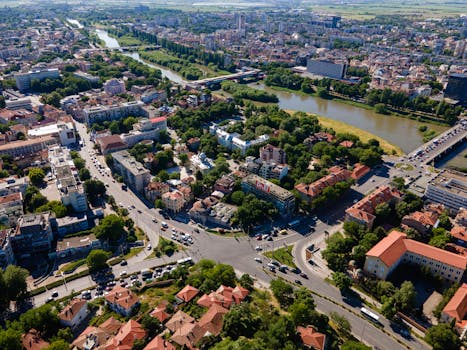
The Bulgarian property market has been quietly flourishing, attracting attention from investors across Europe—especially those in the Czech Republic. With its scenic coastlines, affordable property prices, and promising returns, Bulgaria’s real estate sector offers a compelling proposition for Czechs looking to diversify their portfolios. But what exactly makes Bulgaria stand out as a destination for real estate investment? This comprehensive guide explores the benefits, market dynamics, and practical considerations that Czech investors should know before making their move.
Why Bulgaria is Attracting Czech Real Estate Investors
Over the past decade, Bulgaria’s property market has matured significantly, offering a blend of stability, affordability, and growth potential. According to the National Statistical Institute of Bulgaria, average residential property prices in Sofia increased by 12.3% in 2022, outpacing many neighboring countries. For Czech investors, who are accustomed to the high prices and competitive market in Prague, Bulgaria offers a refreshing alternative with lower entry costs and appealing long-term prospects.
Several factors drive this trend:
- $1 As of early 2024, prime residential properties in Sofia typically range from €1,200 to €2,000 per square meter, compared to €5,000–€8,000 in Prague. - $1 Bulgaria welcomed over 10 million tourists in 2023, boosting the demand for holiday rentals and buy-to-let opportunities. - $1 As an EU member, Bulgaria provides regulatory familiarity and protection to Czech investors, simplifying transactions and ownership rights. - $1 Bulgaria boasts one of Europe’s lowest flat income tax rates at 10%, which applies to rental income and capital gains.These advantages, coupled with Bulgaria’s picturesque landscapes—from the Black Sea coast to the ski resorts of Bansko—make it an attractive market for both lifestyle and investment buyers.
.png)
Comparing Real Estate Markets: Bulgaria vs. Czech Republic
To understand the strategic benefits, it’s helpful to compare key market indicators between Bulgaria and the Czech Republic. The following table summarizes essential data as of 2024:
| Indicator | Bulgaria | Czech Republic |
|---|---|---|
| Average Price per m² (Capital City) | €1,500 (Sofia) | €7,000 (Prague) |
| Annual Rental Yield | 5.5% (Sofia) | 3.2% (Prague) |
| Flat Income Tax Rate | 10% | 15% |
| Foreign Ownership Restrictions | None for EU citizens | None for EU citizens |
| Tourist Arrivals (2023) | 10.2 million | 8.1 million |
This data highlights the affordability and higher rental returns available in Bulgaria, as well as the tax efficiencies that can enhance net investment yields for Czech buyers.
The Key Benefits of Investing in Bulgarian Real Estate
There are several standout advantages for Czech nationals considering property investment in Bulgaria:
1. $1 With property prices among the lowest in the EU, investors can acquire larger or more centrally located properties for a fraction of the price compared to the Czech Republic. This allows for portfolio diversification without overextending financially. 2. $1 Bulgaria’s combination of low purchase prices and healthy rental demand results in gross rental yields of 5–7% in key cities and resorts. For comparison, Prague’s yields typically fall below 4%. This makes Bulgaria especially attractive for buy-to-let investors seeking regular income. 3. $1 Areas like Sunny Beach, Varna, and Bansko attract millions of visitors annually, driving demand for short-term rentals. In 2023, Bulgaria’s Black Sea coast alone accounted for over 6 million tourist nights. Investors in these regions can benefit from both strong occupancy and premium seasonal rates. 4. $1 As an EU member, Bulgaria offers legal transparency, property rights protection, and a stable macroeconomic environment. The country’s GDP grew by 3.5% in 2023, and inflation rates have stabilized after the recent global surge. 5. $1 Unlike many investment markets, Bulgaria’s real estate sector accommodates both pure investment and hybrid models. Owners can use their property as a holiday home and rent it out when not in use, maximizing both lifestyle and financial returns.Potential Risks and How to Mitigate Them
While the Bulgarian property market offers numerous advantages, prudent investors should be aware of potential challenges—and how to address them:
- $1 Not all areas offer the same returns. Coastal and ski resorts tend to outperform rural locations, where demand can be patchier. - $1 For investors based in the Czech Republic, managing a property from afar can be challenging. Partnering with reputable local agencies for maintenance, rental management, and legal compliance is advisable. - $1 Although Bulgaria pegs its currency (the lev) to the euro, minor fluctuations can impact returns. Monitoring exchange rates and considering euro-denominated transactions may provide stability. - $1 While Bulgaria has improved transparency, due diligence is essential. Work with registered agents, verify property titles, and ensure all taxes and fees are understood before purchase.By taking these steps, Czech investors can minimize risks and maximize the benefits of their Bulgarian property ventures.
Legal and Tax Considerations for Czech Investors
Navigating the legal and tax environment is crucial for a smooth investment experience. Fortunately, Bulgaria’s EU membership streamlines many processes for Czech buyers:
- $1 EU citizens have the right to own land and property in Bulgaria with no restrictions. - $1 The transaction process typically involves a preliminary contract, a deposit (usually 10%), due diligence, and the signing of the notarial deed. The entire process can be completed in as little as 4–6 weeks. - $1 Buyers pay a property transfer tax (typically 2–3% of the purchase price), notary fees, and registration fees. Ongoing annual property taxes are modest, often less than €100 per year for apartments. - $1 A flat 10% tax applies to all rental income, with allowable expense deductions. Double taxation treaties between Bulgaria and the Czech Republic prevent double payment of taxes. - $1 In most cases, if a property is held for more than three years, individual investors are exempt from capital gains tax upon sale.Consulting with a local lawyer or tax advisor is strongly recommended to ensure full compliance and optimal structuring.
Popular Locations for Czech Investors in Bulgaria
Bulgaria’s diverse regions offer different investment opportunities:
- $1 The capital city remains the primary target for those seeking year-round rental demand, driven by a strong economy, universities, and international business activity. - $1 As the country’s cultural heartland and second-largest city, Plovdiv has seen significant regeneration and attracts both tourists and professionals. - $1 These resort destinations offer exceptional short-term rental yields during the bustling summer season. In 2023, rental occupancy in Sunny Beach averaged over 80% from June to September. - $1 Ideal for winter sports enthusiasts, these ski resorts offer dual-season potential, with rental demand from both winter skiers and summer hikers.By aligning investment objectives—whether for holiday lettings, long-term rentals, or capital appreciation—with the right location, Czech investors can tailor their Bulgarian property strategy for maximum benefit.
Final Thoughts: Is Bulgarian Real Estate Right for Czech Investors?
For Czech investors seeking to diversify beyond their home market, Bulgaria presents a compelling mix of affordability, yield potential, and lifestyle appeal. With EU protections, a friendly tax regime, and a thriving tourism sector, the risks are manageable and the rewards tangible. Whether seeking steady rental income, a holiday retreat, or long-term capital growth, Bulgaria’s real estate market is well worth a closer look.
As always, success hinges on thorough research, careful planning, and professional guidance. By understanding the nuances of the Bulgarian market and aligning investments with personal goals, Czech buyers can unlock the full potential of this dynamic and welcoming destination.