Rents in Bulgaria: City vs. Countryside – A Comprehensive Comparison
Bulgaria is becoming an increasingly popular destination for both expatriates and locals seeking affordable living options in Europe. While the country is well-known for its beautiful landscapes, rich culture, and historic cities, one of the most significant factors influencing relocation or investment decisions is the cost of renting a home. But how do rents in Bulgaria’s major cities compare to those in its rural areas? What specific differences exist between urban apartments and countryside houses? This article dives deep into the disparities, trends, and prospects for renters in Bulgaria’s cities and countryside, using up-to-date data and real-world examples.
Urban Bulgaria: Rent Levels in Major Cities
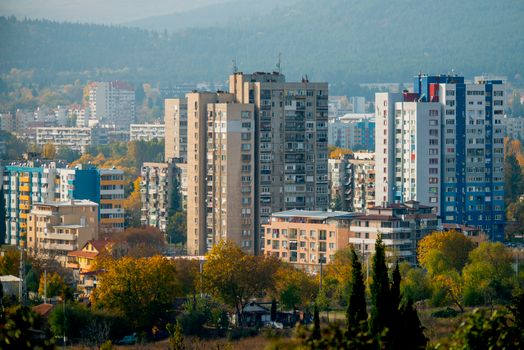
Cities like Sofia, Plovdiv, Varna, and Burgas are the economic and cultural hubs of Bulgaria. They attract students, professionals, and international residents, creating a lively rental market. According to the National Statistical Institute of Bulgaria, the average monthly rent for a one-bedroom apartment in Sofia in 2024 stands at €500 (around 980 BGN), while in Plovdiv, Bulgaria’s second-largest city, similar apartments average €350 (about 690 BGN) per month. In Varna and Burgas, coastal favorites, rents hover between €350 and €400 monthly.
.png) Several factors drive higher rents in urban areas:
- Population density: Sofia alone has over 1.2 million residents, creating high housing demand.
- Employment opportunities: Major companies, universities, and international organizations are based in the cities.
- Infrastructure and amenities: Public transport, shopping centers, and cultural venues increase the appeal—and rental cost—of city living.
Several factors drive higher rents in urban areas:
- Population density: Sofia alone has over 1.2 million residents, creating high housing demand.
- Employment opportunities: Major companies, universities, and international organizations are based in the cities.
- Infrastructure and amenities: Public transport, shopping centers, and cultural venues increase the appeal—and rental cost—of city living.
For example, in Sofia’s central neighborhoods like Lozenets or Ivan Vazov, a modern two-bedroom apartment can easily reach €900-€1,200 per month. In contrast, more peripheral districts like Lyulin or Druzhba offer one-bedrooms for €350-€500.
Rural Bulgaria: The Countryside Experience
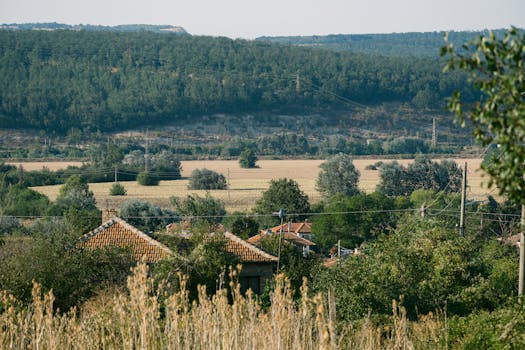
The Bulgarian countryside offers a contrasting picture. In villages and small towns, the cost of renting drops dramatically. A typical house with a garden in rural areas such as Veliko Tarnovo’s outskirts, the Rhodope Mountains, or the Danube plain may rent for as little as €100-€200 per month (195-390 BGN).
Key factors affecting rural rents include: - Lower demand: Many rural areas have seen population decline, especially among young people who move to the cities. - Larger property sizes: Houses with yards, barns, and outbuildings are common and usually much cheaper than cramped city apartments. - Fewer amenities: Limited public transport, healthcare, and entertainment options keep demand (and prices) low.A recent survey by Imoti.net, one of Bulgaria’s largest property portals, found that 70% of rural rental listings were for detached houses, often with two or more bedrooms and a garden. In contrast, city rentals are dominated by apartments.
Comparative Table: Urban vs. Rural Rents in Bulgaria (2024)
To illustrate the differences, here is a data overview of typical rents in Bulgaria’s main cities compared to the countryside:
| Location | 1-Bed Apartment (€/month) | 2-Bed Apartment (€/month) | Detached House (€/month) |
|---|---|---|---|
| Sofia (central) | 500 | 900 | 1,300 |
| Plovdiv | 350 | 600 | 800 |
| Varna | 375 | 700 | 900 |
| Small Town | 200 | 300 | 350 |
| Village/Rural | 120 | 180 | 200 |
These figures are averages and can vary depending on property condition, location, and amenities.
What Drives the Price Gap?
Why is there often a two-to-fivefold difference in rents between Bulgarian cities and rural areas? Several interconnected factors are at play:
1. $1 Cities attract more people for work and education. In Sofia, vacancy rates for rentals are below 5%, while in some rural regions, properties remain empty for years. 2. $1 Urban centers account for more than 70% of Bulgaria’s GDP. This economic concentration keeps city rents high. 3. $1 Reliable internet, paved roads, public transit, and modern utilities are far more prevalent in cities. In villages, even basic services may be lacking, reducing rental appeal. 4. $1 Bulgaria’s rural population has been declining for decades. According to the World Bank, rural populations dropped by over 25% between 1990 and 2020, leading to an abundance of available properties and low rents. 5. $1 While some rural properties attract foreign retirees or remote workers, most international demand is centered on urban apartments or tourist hotspots, pushing those rents higher.Quality and Lifestyle Differences
It’s not just about the price. The rental experience in Bulgaria’s cities versus its countryside differs vastly in quality, lifestyle, and expectations.
- $1 Rural properties often offer gardens, orchards, and more living space for less money. City dwellers may pay a premium for balconies or parking. - $1 Urban apartments, especially new builds, come with modern amenities—elevators, central heating, security. Many rural homes are older and may lack insulation or central heating, leading to higher utility costs in winter. - $1 Village life is quieter, with close-knit communities and traditional customs. Cities are multicultural, fast-paced, and offer more privacy. - $1 While Bulgaria has invested in rural broadband, reliable high-speed internet is still more common in urban areas.A 2023 survey by the National Association of Real Estate Agencies found that 60% of city renters cited “proximity to work or study” as their primary motive, while 65% of rural renters valued “peace and access to nature.”
Trends and Future Outlook
The COVID-19 pandemic and the rise of remote work have shifted some demand toward Bulgaria’s countryside, especially among young families and digital nomads. In 2021-2023, rural rents increased by 10-15% in regions close to major cities (like the villages surrounding Sofia or Plovdiv). However, the gap remains substantial.
Government investment in rural infrastructure and EU-funded projects may narrow the disparity by making village life more comfortable in the coming years. Nonetheless, experts expect Bulgarian cities to remain the primary magnet for renters, especially as the economy continues to centralize.
Here are a few current and emerging trends: - $1 in rural areas (for tourism or remote work retreats) are growing, but still represent less than 5% of the national rental market. - $1 is projected to continue, with 78% of Bulgarians expected to live in cities by 2030, according to Eurostat. - $1 in scenic villages are attracting foreign buyers, but these rarely impact rental prices for locals.Choosing Between City and Countryside: Which is Right for You?
If you’re considering renting in Bulgaria, your decision may come down to lifestyle, work requirements, and personal preferences.
- $1 are ideal for professionals, students, and anyone who values amenities, nightlife, and career opportunities. Expect higher rents, smaller spaces, but better infrastructure and services. - $1 offer tranquility, space, and affordability. They are perfect for retirees, remote workers, or those looking to escape urban stress—but be prepared for simpler living and possible isolation.A practical example: a family of four could rent a spacious three-bedroom house with a large garden near Veliko Tarnovo for €250/month, while the same budget in Sofia would cover a small two-bedroom apartment on the city outskirts.
Key Takeaways on Bulgarian Rent Differences
Rents in Bulgaria display a clear urban-rural divide, shaped by factors such as demand, infrastructure, demographics, and economic opportunities. In 2024, city rents are between two and five times higher than rural equivalents, and this is unlikely to change drastically in the near future.
Whether you are seeking the vibrancy of Sofia or the peace of a mountain village, Bulgaria offers diverse and affordable rental options compared to other EU countries. The best choice depends on your lifestyle needs, work situation, and long-term plans.