Apartment hunting in Bulgaria is an exciting journey, but it’s also one that requires a keen eye and careful attention to detail. Amid the promise of charming neighborhoods, modern interiors, and attractive prices, there can be hidden pitfalls that turn what seems like a dream home into a costly headache. Whether you’re a local renter, an expat, or an investor, knowing how to spot potential issues before signing a lease or making a purchase can save you both money and stress. In this guide, we’ll explore the most critical red flags and subtle cues to watch for when hunting for an apartment in Bulgaria, backed by local insights, relevant statistics, and practical advice.
The Importance of Due Diligence in the Bulgarian Apartment Market
Bulgaria’s apartment market has grown rapidly over the past decade. According to the National Statistical Institute of Bulgaria, over 67,000 real estate transactions were concluded in 2023, a 14% increase from the previous year. This surge in demand, especially in cities like Sofia, Plovdiv, and Varna, has led to a highly competitive marketplace where apartments can move fast and details might get overlooked.
But with opportunity comes risk. For instance, a 2022 survey by Imoti.net showed that 21% of apartment hunters discovered unexpected problems only after moving in—ranging from structural defects to disputes over utilities. In a market where 38% of rentals are handled through private listings rather than agencies, the responsibility for spotting issues often falls squarely on the tenant or buyer.
.png)
Understanding the unique characteristics of Bulgarian apartments—such as construction styles, legal nuances, and local building standards—can make all the difference between a smart investment and a costly mistake.
Evaluating Building Quality: Age, Materials, and Structural Concerns
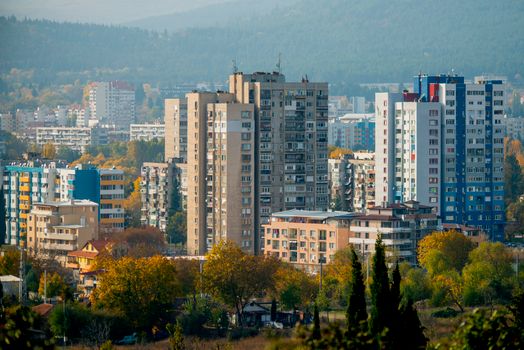
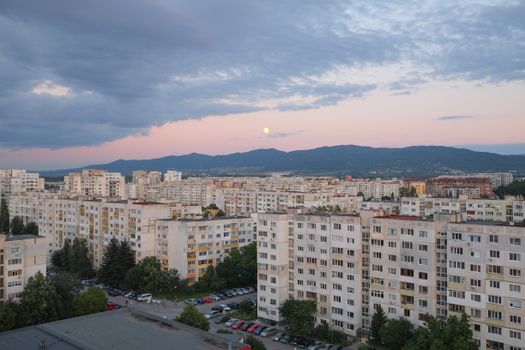
Bulgarian apartments vary widely in construction quality, depending on their age and the materials used. The country’s residential landscape is a patchwork of older “panelka” (panel block) buildings from the socialist era, newer brick constructions, and contemporary developments.
Panelka buildings, typically built between the 1960s and 1980s, house about 40% of urban Bulgarians. While many remain structurally sound, some suffer from poor insulation, outdated wiring, and leaky plumbing. Brick buildings, especially those built after 2000, tend to offer better soundproofing and energy efficiency, but construction practices can still be inconsistent.
Before committing to an apartment, it’s vital to:
- Inspect for visible cracks, especially around windows, doors, and ceilings. Cracks wider than 3mm may indicate settlement problems. - Check for signs of dampness or mold on walls and ceilings, particularly in bathrooms, kitchens, and near windows. - Ask for documentation on recent renovations or repairs. In Bulgaria, sellers are required to disclose major structural issues, but minor or cosmetic problems are often omitted.Here’s a simple comparison of common Bulgarian apartment building types:
| Building Type | Years Built | Typical Issues | Advantages |
|---|---|---|---|
| Panelka (Panel Block) | 1960-1989 | Poor insulation, outdated systems, possible structural wear | Spacious layouts, affordable prices |
| Brick (Post-2000) | 2000-present | Occasional construction shortcuts, noise in some cases | Better insulation, modern amenities |
| Pre-war Buildings | Pre-1945 | Old plumbing, heritage restrictions, potential structural risk | Character, central locations |
A professional inspection can cost between 100–200 BGN (about €50–€100) and often pays for itself many times over by revealing hidden issues.
Legal and Documentation Pitfalls Unique to Bulgaria
The legal landscape for apartments in Bulgaria can be complex. Unlike in some Western European countries, property documentation here may be incomplete or outdated, especially for older buildings.
Key documents to review include:
- Notary Deed (Notaren Akt): This is the official ownership document. Verify that the seller’s name matches exactly. - Property Sketch (Skitsa): Issued by the local municipality, this shows the exact boundaries and floor plan. - Certificate of Encumbrances: Confirms there are no outstanding debts, mortgages, or legal disputes tied to the property.A 2021 report by the Bulgarian Chamber of Notaries found that up to 8% of property transactions were delayed due to missing or incorrect documentation. Issues such as unregistered extensions, shared ownership disputes, or unpaid property taxes can complicate or even derail a deal.
If you’re renting, insist on a written contract registered with the local tax office. Nearly 30% of rental agreements in Bulgaria are still made “on a handshake,” which leaves tenants vulnerable to sudden eviction or unfair rent increases.
When in doubt, consult a local real estate lawyer—fees typically range from 300–800 BGN (€150–€400), but their expertise can help you avoid expensive legal headaches.
Utility Systems: Water, Heating, and Electrical Red Flags
Utilities in Bulgaria are a frequent source of frustration for newcomers—and a common area where hidden problems lurk.
Central heating (“toplofikatsiya”) is available in most Sofia neighborhoods and some other cities, but older buildings may have inefficient or malfunctioning systems. In the 2023 Bulgarian Consumer Energy Survey, 19% of residents reported regular heating outages during winter.
Key things to check:
- Water pressure: Low pressure or inconsistent hot water can indicate old or clogged pipes. - Electrical wiring: Ask when the electrical system was last updated. In buildings older than 30 years, original wiring may not support modern appliances and can be a fire hazard. - Heating costs: In some older apartments, heating bills can exceed 250 BGN (€125) per month in winter, particularly if insulation is poor. - Shared utility meters: Some buildings use communal meters, which can lead to disputes over usage and unexpected costs.If possible, request recent utility bills to get a realistic idea of monthly costs and check for outstanding payments.
Neighborhood Factors: Safety, Infrastructure, and Future Developments
Even the best apartment can turn into a disappointment if the neighborhood doesn’t meet your needs or if future developments threaten your quality of life. Bulgaria’s cities are rapidly evolving, and previously quiet areas can become noisy construction zones almost overnight.
Consider the following:
- Crime rates: While Bulgaria is generally safe, some urban districts have higher petty crime rates. The Ministry of Interior’s 2023 report lists Sofia’s Lyulin and Plovdiv’s Trakiya as having above-average burglary rates. - Public transport and amenities: Is the apartment close to metro stations, bus stops, shops, and schools? A 2022 Eurostat survey found that 16% of urban Bulgarians cite poor infrastructure as a major drawback in their neighborhoods. - Future construction: Check with the municipality about planned developments. New roads, shopping malls, or residential towers can affect noise levels, traffic, and even sunlight in your apartment. - Green spaces and pollution: In Sofia, for example, neighborhoods like Lozenets and Boyana are prized for their parks and clean air, while central districts may struggle with higher pollution during winter.Online forums, expat groups, and neighborhood Facebook pages can provide valuable local insights that you won’t find in official brochures.
Internal Red Flags: Layout, Ventilation, and Unseen Costs
Once inside the apartment, it’s easy to be swayed by fresh paint or modern furnishings. But look deeper for clues about long-term comfort and hidden expenses.
Pay attention to:
- Ventilation: Poor airflow is a common issue, particularly in apartments with sealed windows or in older buildings. This can lead to persistent dampness and mold. - Noise insulation: Thin walls or single-glazed windows are often sources of complaints, especially in busy urban areas. - Room orientation: South-facing apartments receive more sunlight and are generally warmer in winter, which can reduce heating costs. - Storage space: Many Bulgarian apartments lack sufficient built-in storage, leading to clutter and discomfort. - Common area fees: Maintenance of elevators, stairwells, and shared gardens can add 30–80 BGN (€15–€40) per month. Ask for a copy of the building’s association rules and recent fee statements to avoid surprises.Ask neighbors about their experiences—often, they’re candid about recurring issues like noisy neighbors, elevator breakdowns, or erratic building management.
Smart Steps for a Worry-Free Apartment Hunt in Bulgaria
Apartment hunting in Bulgaria, while filled with promise, requires careful scrutiny at every stage. By understanding the nuances of building types, legal documentation, utility systems, neighborhood dynamics, and internal apartment details, you can minimize risks and maximize your investment or rental satisfaction.
Remember these essential tips:
- Always view the apartment in person, both during the day and at night. - Don’t be afraid to ask detailed questions—reputable landlords and sellers will welcome your diligence. - Invest in a professional inspection and, if buying, legal review of all documents. - Compare utility costs, maintenance fees, and neighborhood amenities before making a decision.With preparation and a careful approach, you’ll be well-equipped to spot potential issues and secure an apartment in Bulgaria that truly meets your needs.