Finding a place to call home in a new country is always an adventure. For many expatriates, students, and remote workers comparing Bulgaria and the Czech Republic as destinations, understanding the apartment rental landscape is crucial. While both countries are located in Central and Eastern Europe, offer vibrant cities, and have become increasingly popular among international residents, there are distinct differences in their rental markets, tenant expectations, costs, and cultural nuances.
Whether you’re drawn to Bulgaria’s Black Sea charm or the historic beauty of Prague, knowing what to expect when renting an apartment can make all the difference in your experience. In this article, we’ll dive deep into comparing apartment rentals in Bulgaria and the Czech Republic, with specific facts, data, and real-world examples to help you make an informed choice.
Rental Market Overview: Bulgaria vs. Czech Republic
Bulgaria and the Czech Republic share a post-communist history, but their housing markets have evolved in unique ways. Both countries have seen growth in international interest, but the scale, pricing, and structure of apartment rentals differ significantly.
.png)
Bulgaria’s rental market is heavily centered around Sofia, the capital, and a handful of large cities like Plovdiv and Varna. The Czech Republic’s rental scene is dominated by Prague, which is consistently ranked as one of Europe’s most beautiful and livable cities, as well as Brno and Ostrava.
According to Numbeo’s 2024 data: - The average monthly rent for a one-bedroom apartment in Sofia is about €470 (920 BGN) in the city center. - In Prague, the same apartment averages €990 (24,600 CZK) per month in the center.Beyond the capitals, rental prices in both countries drop significantly. However, the Czech Republic’s rental market has seen more consistent growth and higher demand, partly due to its thriving tech sector, strong expat community, and EU business environment. Bulgaria, while more affordable, is considered an emerging market, with rental yields in Sofia reaching up to 6.5% compared to Prague’s average of 3.5%.
Comparing Apartment Types and Availability
The types and styles of apartments available in Bulgaria and the Czech Republic reflect their unique histories and urban development.
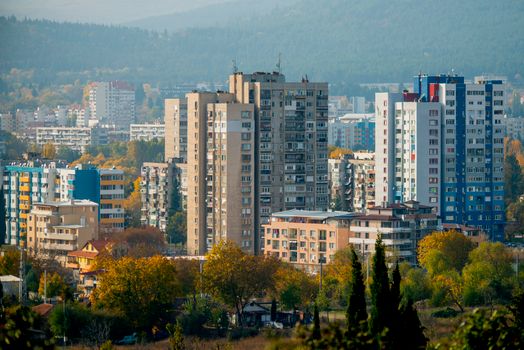
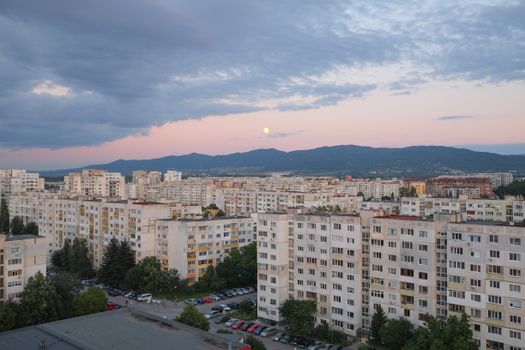
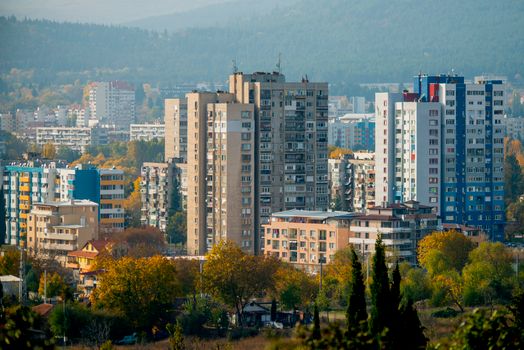
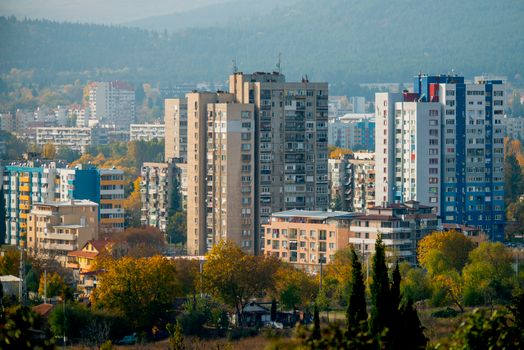
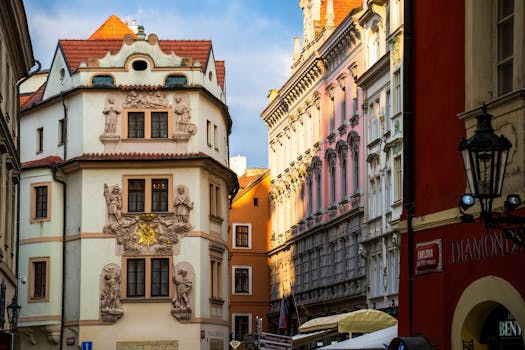
In Bulgaria, you’ll find: - Soviet-era panel blocks (“panelki”), especially in Sofia’s outer districts - Renovated historic flats in city centers - New-build apartments, particularly in affluent neighborhoods The Czech Republic, especially in Prague, offers: - Ornate 19th-century buildings with high ceilings and original details - Modern apartment complexes with amenities like underground parking and gyms - Well-preserved “paneláks” from the communist era, similar to Bulgaria’s panelkiAvailability is another key difference. In Prague, the vacancy rate for rentals has hovered around 2-3% in recent years, making the market competitive. In Sofia, vacancy rates are closer to 5-7%, giving renters more choices and bargaining power.
Here’s a quick comparison:
| Feature | Bulgaria | Czech Republic |
|---|---|---|
| Typical Apartment Size (1-bedroom) | 45-60 m² | 35-55 m² |
| Common Building Types | Panel blocks, new builds, historic flats | 19th-century, paneláks, modern complexes |
| Availability in Capital | Moderate to good | Competitive, limited |
| Average Rent (1-bedroom, city center) | €470 | €990 |
Rental Process and Tenant Rights
The rental process, paperwork, and tenant protections vary across Bulgaria and the Czech Republic. Understanding these differences is vital for anyone planning a move.
In Bulgaria: - Most rentals are handled directly between landlords and tenants, often without an agent. - Standard lease duration is 1 year, but shorter terms are possible. - Deposits are typically one month’s rent, and it’s common to pay the first month in advance. - Rental agreements are regulated, but tenant rights are less extensive than in Western Europe. Landlords can increase rent annually with notice. - Subletting is usually not allowed without written permission. - Utility bills are often separate from rent, and the tenant is responsible for registration with utility companies. In the Czech Republic: - Agents are frequently used, and the tenant usually pays an agency fee (often equal to one month’s rent). - Standard lease terms are 1 or 2 years, with automatic renewal clauses. - Deposits are typically 1-2 months’ rent. - Tenant protections are stronger: rent increases are capped, and landlords must provide written notice and just cause for eviction. - Subletting rules are strictly regulated but possible with landlord approval. - Utilities may be included (especially in serviced apartments), but are often paid separately.For non-EU citizens, both countries require a registered address for residency permits, but the Czech Republic has stricter documentation requirements.
Cost Comparison: Beyond Rent
While monthly rent is the headline figure, the total cost of renting an apartment includes utilities, maintenance, internet, and sometimes property taxes. Here’s how costs stack up:
- In Sofia, average monthly utilities (electricity, heating, water, garbage) for a 1-bedroom apartment total about €80-€110. - In Prague, utilities are higher, averaging €140-€180 for a similar apartment. - Internet in Bulgaria is among Europe’s cheapest and fastest, with 1 Gbps fiber plans available for as low as €10/month. In the Czech Republic, expect to pay €18-€25 for high-speed plans.On top of these, renters in the Czech Republic often pay “service charges” for building maintenance, cleaning, and shared amenities, which can add €20-€60 per month. Bulgaria’s equivalent “entrance fee” (for building cleaning and repairs) is typically €5-€15.
Consider this breakdown:
| Expense | Bulgaria (Sofia) | Czech Republic (Prague) |
|---|---|---|
| Rent (1-bedroom, city center) | €470 | €990 |
| Utilities | €95 | €160 |
| Internet | €10 | €22 |
| Maintenance/Service Charges | €10 | €40 |
| Total Estimated Monthly Cost | €585 | €1,212 |
This means that living in central Sofia can be less than half the price of central Prague when all costs are included.
Neighborhoods and Lifestyle Choices
Where you choose to live in either country will shape your daily experience. Both Bulgaria and the Czech Republic offer a range of options, from lively urban centers to quiet suburbs.
In Bulgaria: - Sofia’s Lozenets, Ivan Vazov, and Doctor’s Garden neighborhoods are sought after for their parks and amenities. - Plovdiv’s Kapana district is famous for its artsy vibe and cafes. - Coastal cities like Varna offer sea views at lower prices than Western European resorts. In the Czech Republic: - Prague’s Vinohrady is beloved by expats for its tree-lined streets and cafes. - Letná attracts young professionals with its parks and nightlife. - Brno’s Veveří offers student-friendly rentals with easy access to universities.Public transport is efficient in both capitals, with monthly passes costing about €25 in Sofia and €27 in Prague. However, Prague’s metro and tram system is larger and more frequent.
Safety is high in both countries, with Bulgaria ranking 30th and the Czech Republic 10th in the 2023 Global Peace Index. English is widely spoken among younger people in both capitals, but day-to-day bureaucracy may require some knowledge of the local language.
Understanding Cultural Expectations and Pitfalls
While renting an apartment is a practical transaction, cultural expectations play a role. In Bulgaria, personal relationships often matter; it’s not uncommon for landlords to prefer tenants who are introduced by a mutual acquaintance. In the Czech Republic, the process is more formalized, with paperwork and references often required.
Some specific points to consider: - In Bulgaria, furnished apartments are the norm, especially in cities. In the Czech Republic, apartments may be rented partially furnished or unfurnished. - In both countries, pets may require negotiation and additional deposit. - Be prepared for older buildings with less insulation in Bulgaria, affecting heating bills in winter. - In Prague, demand for short-term rentals (Airbnb-style) has reduced the supply of long-term apartments, driving up prices.It’s also worth noting that scam listings exist in both markets. Always visit the property or request a live video tour, and never send money before signing a legitimate lease.
Making the Right Choice for Your Needs
When comparing apartment rentals in Bulgaria and the Czech Republic, your decision will come down to budget, lifestyle, and personal priorities. Bulgaria offers unbeatable affordability, larger living spaces, and fast-growing urban centers. The Czech Republic, especially Prague, commands higher prices but delivers rich cultural experiences, strong tenant protections, and a dynamic expat scene.
Both countries offer reliable public transport, safety, and opportunities for adventure. If cost is your main concern, Bulgaria wins by a wide margin. If you prioritize city amenities, walkable neighborhoods, and established international communities, the Czech Republic—especially Prague—stands out.
Ultimately, visiting both countries and spending time in your target neighborhoods is the best way to decide. With the right preparation and understanding of what to expect, you’ll find your perfect European home.