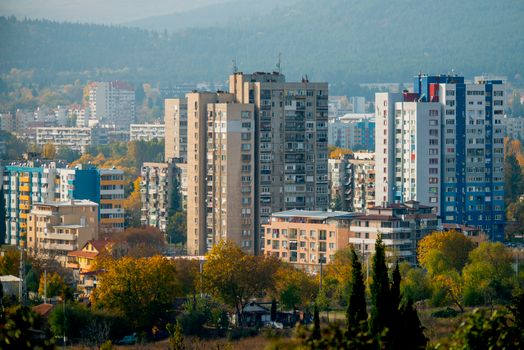
Finding affordable apartments for rent in Bulgaria is a realistic goal, whether you’re a student, young professional, digital nomad, or simply seeking a budget-friendly lifestyle in one of Europe’s hidden gems. Bulgaria’s rental market presents exciting opportunities, but also unique challenges, especially for newcomers or those seeking the best deals. With the right strategies, you can not only discover apartments that fit your budget but also enjoy a comfortable living experience in vibrant cities or charming small towns. In this guide, we’ll explore practical tips and tricks to help you land an affordable apartment in Bulgaria, including overlooked search methods, timing strategies, negotiation techniques, and more.
Understanding the Bulgarian Rental Market: Key Facts and Trends
Before diving into your search, it’s crucial to grasp the dynamics of Bulgaria’s rental market. As of 2024, Bulgaria remains one of the most affordable countries in the European Union for renters. The average monthly rent for a one-bedroom apartment in Sofia, the capital, ranges from €350 to €600, while prices in smaller cities like Plovdiv, Varna, and Burgas can be as low as €200 to €400 per month. Rural areas and smaller towns offer even lower rents, sometimes dipping below €150 for basic accommodations.
Demand in urban centers has increased over the past few years, driven by growing tourism, the rise of remote work, and an influx of foreign students. However, Bulgaria’s homeownership rate is among the highest in Europe—over 85% according to Eurostat—meaning the rental market is less saturated than in countries with a high proportion of renters. This unique mix leads to pockets of affordability, if you know where and how to look.
.png) Key facts:
- Average rent in Sofia (1-bedroom): €350–€600/month (2024)
- Average rent in Plovdiv, Varna, Burgas: €200–€400/month
- Bulgaria’s homeownership rate: 85.7% (Eurostat, 2023)
- Rental supply is higher in cities, but rural areas offer the lowest prices
Key facts:
- Average rent in Sofia (1-bedroom): €350–€600/month (2024)
- Average rent in Plovdiv, Varna, Burgas: €200–€400/month
- Bulgaria’s homeownership rate: 85.7% (Eurostat, 2023)
- Rental supply is higher in cities, but rural areas offer the lowest prices
Timing Your Apartment Search for the Best Deals
When you search for an apartment in Bulgaria can significantly influence the prices and availability you encounter. Rental demand peaks during late summer and early autumn, primarily due to university students and seasonal workers. This period, especially from August to October, often sees higher prices and more competition for centrally located apartments.
For the best deals, consider searching in the winter months—December through February—when demand slows and landlords are more likely to offer discounts or incentives to fill vacancies. Notably, many expats and digital nomads leave Bulgaria during the colder months, making it a tenant’s market.
Another timing tip: if you’re willing to sign a longer lease (12 months or more), you’ll often find landlords more open to negotiation and price reductions, especially during off-peak seasons. Flexibility with your move-in date can be a powerful bargaining chip.
Exploring Alternative Search Channels for Affordable Apartments
Most people begin their search on popular property portals like Imot.bg, Bazar.bg, or OLX.bg. While these are useful, they tend to feature apartments from agencies that may include commission fees (usually one month’s rent) and sometimes inflated prices.
To find truly affordable apartments, expand your search using these underutilized channels:
1. $1 Bulgaria has a thriving network of local and expat Facebook groups dedicated to rentals. Search for groups named "Apartments for Rent in Sofia/Plovdiv/Varna" or “Наем на апартаменти” (Renting Apartments). Many landlords post directly here, avoiding agency fees and offering better prices. 2. $1 Networking remains a powerful tool. Ask colleagues, classmates, or local friends if they know of available apartments. Many rentals never make it to public listings. 3. $1 In Bulgarian neighborhoods, especially in smaller towns or residential blocks, landlords often post paper notices with rental offers and contact info. 4. $1 If you’re a student, check your university’s bulletin boards or student union. Private landlords frequently advertise directly to students at lower rates. 5. $1 In smaller towns and suburban areas, it’s common to see “For Rent” (Дава се под наем) signs in apartment windows. These can lead to direct negotiations and lower prices.Negotiation Strategies: Getting More for Less
Unlike in some Western European countries, negotiating rent in Bulgaria is both common and expected. Here’s how to approach it to maximize your savings:
- $1 Research average prices in your target area. If you see a listing above this rate, use your knowledge as leverage. - $1 Landlords value responsible tenants. If you can provide proof of steady income, references, or offer to pay several months upfront, you’re in a strong position to request a discount. - $1 Sometimes landlords are willing to include utilities, internet, or parking in the rent to secure a tenant quickly. - $1 If you do go through an agent, remember that many fees are negotiable—especially if the apartment has been listed for a while. - $1 Politely expressing that you have other options can prompt a landlord to reconsider their asking price.Here is a quick comparison of rental costs and typical negotiation opportunities in Bulgaria’s major cities:
| City | Average 1-Bedroom Rent (€/month) | Negotiation Potential | Agency Fee Common? |
|---|---|---|---|
| Sofia | €350–€600 | Medium | Yes (1 month’s rent) |
| Plovdiv | €250–€400 | High | Yes (1 month’s rent) |
| Varna | €250–€400 | High | Yes (1 month’s rent) |
| Burgas | €200–€350 | Very High | Sometimes |
| Smaller towns/rural | €100–€250 | Very High | Rarely |
Choosing the Right Location: Balancing Cost and Convenience
Location is a major determinant of rental prices in Bulgaria. While city centers offer proximity to work, entertainment, and public transport, they come at a premium. However, you can often find substantial savings by considering neighborhoods just outside the central districts, which still offer good amenities and transport links.
For example, in Sofia, the Lozenets, Mladost, and Studentski Grad districts are popular with renters and tend to be cheaper than the central Oborishte or Vitosha Boulevard areas. In Plovdiv, neighborhoods like Trakia and Kyuchuk Paris offer lower rents compared to the Old Town.
If you’re open to commuting, living in a suburb or satellite town can cut your rent by 30–50%. For university students, campus or shared housing can provide significant savings and a built-in social network.
Here are practical tips for location scouting: - Use Google Maps to check commute times and public transport options. - Visit the area at different times to assess noise, safety, and amenities. - Ask locals or expats about their experiences in different districts.Hidden Costs and How to Avoid Overpaying
An apartment’s advertised rent isn’t the whole story—you’ll need to factor in utilities, building maintenance fees (known as "entrance fees" or такса вход), and internet costs. In Bulgaria, utilities for a small apartment typically range from €50 to €100 per month, depending on the season and whether heating is electric or central.
Some landlords include certain utilities in the rent, especially in student or short-term accommodation, while others expect the tenant to register and pay separately. Always clarify which costs are included before signing a contract.
Watch out for: - $1 Standard practice is one month’s rent as a deposit, but some landlords ask for two or more months, especially for furnished apartments. - $1 If you use an agency, expect to pay a one-time fee, usually equal to one month’s rent. - $1 Rentals under 6 months are often priced higher and may include extra service fees.Before committing, request a breakdown of all expected monthly costs and read the rental contract carefully—especially if it’s in Bulgarian. If in doubt, ask for an English copy or consult with a local friend.
Final Thoughts on Finding Affordable Apartments in Bulgaria
Securing an affordable apartment for rent in Bulgaria is absolutely achievable with the right approach. By understanding the market, timing your search, using alternative channels, negotiating confidently, and considering less obvious locations, you can maximize value for money and avoid unnecessary expenses. Remember, patience and persistence pay off—especially in a market where hidden gems abound for those willing to look beyond the obvious.
Whether you’re seeking a place in Sofia’s buzzing suburbs, a peaceful spot in Plovdiv, or a budget-friendly retreat in a smaller town, Bulgaria’s rental landscape offers something for every budget and lifestyle.