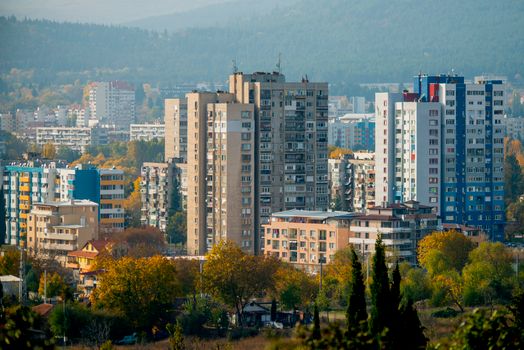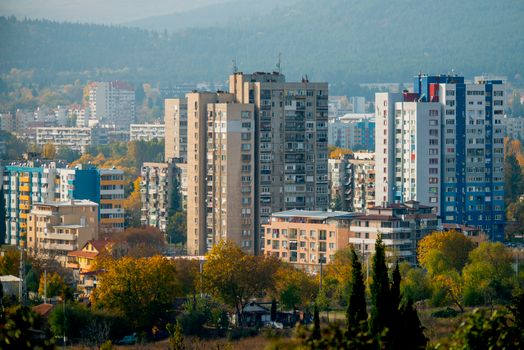
Buying an apartment in Bulgaria is an attractive prospect for both local and international investors. With its beautiful Black Sea coastline, historic cities, and rapidly developing urban centers, Bulgaria has seen a steady increase in real estate investments. Yet, one of the most critical aspects of acquiring property in the country is determining how to finance the purchase. Whether you're seeking a holiday home, a buy-to-let investment, or a primary residence, understanding the available financing options—and their implications—is crucial for making a sound investment. This comprehensive guide explores the key methods to finance an apartment purchase in Bulgaria, outlines the steps involved, provides practical recommendations, and highlights essential considerations for both Bulgarian and foreign investors.
The Bulgarian Apartment Market: An Overview for Investors
Bulgaria's property market has experienced significant growth since the early 2010s, with apartment prices in key cities such as Sofia, Plovdiv, and Varna increasing by an average of 8-12% annually between 2017 and 2023. According to the National Statistical Institute of Bulgaria, the average price per square meter in Sofia reached around €1,500 in 2023, while in coastal cities like Burgas and Varna, prices typically range from €1,000 to €1,300 per square meter.
Foreign investment is robust, especially from buyers in the UK, Germany, Russia, and Israel, who are drawn by Bulgaria’s relatively low property prices, potential for capital appreciation, and favorable rental yields—often between 5% and 7% annually in major cities. However, access to mortgage financing can differ significantly between local residents and foreigners, making it essential to explore all available options before proceeding.
.png)
Financing Alternatives: Mortgages, Cash, and Developer Schemes
Financing the purchase of an apartment in Bulgaria generally falls into three primary categories: bank mortgages, cash purchases, and developer financing schemes. Each method has its own requirements, advantages, and risks.
| Financing Option | Typical Down Payment | Interest Rate (2024) | Key Requirements | Pros | Cons |
|---|---|---|---|---|---|
| Bank Mortgage (Local) | 20-30% | 2.5% - 4.5% | Bulgarian residency or income proof | Competitive rates, long repayment terms | Stricter eligibility, paperwork |
| Bank Mortgage (Foreigners) | 30-50% | 3.5% - 6% | Higher down payment, credit checks | Leverage, preserves cash | Limited bank options, higher rates |
| Cash Purchase | 100% | 0% | Full funds available | Fast transaction, negotiation leverage | Ties up capital, less flexibility |
| Developer Financing | 10-30% (initial), balance over 1-3 years | Often 0% (short term); may have premium pricing | Agreement with developer | Flexible payment, low initial outlay | Limited to new builds, potential risks if project stalls |
Securing a Bulgarian Bank Mortgage: The Process and Requirements
For many investors, taking out a mortgage is the most practical way to finance an apartment purchase in Bulgaria. Bulgarian banks offer property loans to both residents and, more selectively, to foreigners. Understanding the process is critical, as requirements differ based on your residency status and financial profile.
1. $1: Bulgarian citizens and EU residents generally need to provide a minimum down payment of 20-30%. Non-EU foreigners usually face higher requirements—often 30-50%. Banks may also require proof of stable income, either from Bulgarian employment or verifiable foreign sources. 2. $1: As of early 2024, interest rates for mortgages in Bulgaria range from 2.5% to 4.5% for residents, while foreigners may face rates up to 6%. Loan terms typically extend up to 25-30 years. 3. $1: - Submit proof of identity and residency (passport, residency card) - Demonstrate income (employment contract, tax returns, bank statements) - Provide details of the property (preliminary contract, valuation) - Undergo a creditworthiness check 4. $1: Mortgage arrangement fees (usually 1-2% of the loan), property insurance, valuation fees, and notary costs are standard. Factor these into your financing plan. 5. $1: Not all Bulgarian banks lend to foreign nationals. Some, like UniCredit Bulbank and DSK Bank, have specialized products for non-residents, often requiring larger down payments and more documentation.Developer Financing and Payment Plans: A Flexible Alternative
New-build apartments in Bulgaria often come with developer-backed payment plans, especially in large projects in Sofia, Plovdiv, and the Black Sea resorts. These schemes can offer significant flexibility, particularly for buyers who may not qualify for traditional bank mortgages.
1. $1: - $1: Typically €2,000–€5,000 to secure the unit - $1: 10-30% upon signing the preliminary contract, followed by staged payments aligned with construction milestones (foundation, shell, completion) - $1: Final installment upon delivery and signing the Title Deed 2. $1: - Lower initial capital outlay - No need for extensive bank paperwork or credit checks - Sometimes interest-free for the duration of construction 3. $1: - Ensure the developer is reputable and the project has the necessary permits - If the developer faces financial issues, project delays or losses may occur - Legal due diligence is vital—engage a Bulgarian lawyer to review contractsUsing Foreign Capital: Cross-Border Transfers and Currency Considerations
Foreign investors often need to transfer substantial funds into Bulgaria. This process has unique considerations:
1. $1: - Use reputable banks or currency transfer services to send euros, US dollars, or other currencies to Bulgaria - Bulgarian banks typically accept euro transfers, as most property transactions are priced in euros 2. $1: - The Bulgarian lev (BGN) is pegged to the euro at a fixed rate (1 EUR ≈ 1.95583 BGN since 1999) - Consider exchange rates and transfer fees, which can add 0.5–2% to total costs 3. $1: - Transfers over €10,000 may require declaration to Bulgarian authorities under anti-money laundering regulations - Maintain documentation for source of funds—often requested during due diligence or by the notary 4. $1: - Bulgaria has a flat 10% income tax and relatively low property taxes (usually below 0.2% of property value annually) - Rental income earned by non-residents is also taxed at 10%, with allowable deductionsAlternative Financing: Using Home Equity and Private Loans
Aside from Bulgarian-based financing, investors sometimes leverage assets in their home country or turn to private lending.
1. $1: - Some investors use equity in their existing property abroad to raise funds at favorable rates, then transfer the capital to Bulgaria for a cash purchase - This approach can sidestep the stricter borrowing criteria for foreigners in Bulgaria 2. $1: - Private lenders, both in Bulgaria and internationally, may offer loans for property purchases—sometimes at higher interest rates (often 6-10%) - Peer-to-peer lending platforms are emerging, though these are more common for smaller investments 3. $1: - Higher costs and less regulatory protection - Ensure all agreements are legally reviewed and funds are transferred transparentlySteps to Take Before Choosing Your Financing Option
Given the diversity of financing options, a careful, step-by-step approach is essential for successful property investment in Bulgaria:
1. $1: - Check your residency status, income sources, and credit history to determine which financing routes are available 2. $1: - Factor in interest rates, fees, taxes, currency exchange costs, and legal expenses 3. $1: - A Bulgarian lawyer can advise on the risks and ensure you understand any contracts or obligations 4. $1: - For new builds, research the developer’s track record and project status 5. $1: - Consider not only purchase costs but also maintenance, property tax, and insuranceAccording to a 2022 survey by the Bulgarian National Bank, over 35% of foreign buyers used a combination of savings and home-country financing, while only 15% managed to secure a Bulgarian mortgage. This underscores the importance of researching all options thoroughly.
Key Takeaways for Financing Your Bulgarian Apartment Investment
Financing property in Bulgaria is highly achievable, but the best option depends on your personal circumstances, citizenship, and investment goals. Local mortgages offer competitive rates, but can be difficult for non-residents to access. Developer payment plans provide flexibility but require due diligence. Cash purchases remain the fastest and simplest route, especially for international buyers, though they tie up capital.
Whichever route you choose, preparation is critical: compare options, consult local professionals, and ensure every step is legally sound. By doing so, you can maximize your investment potential in Bulgaria’s dynamic property market and secure a solid foundation for future returns.