Moving to Bulgaria: A Lifestyle Guide for Apartment Renters
Bulgaria is quickly emerging as a top destination for expats, digital nomads, students, and retirees. Its strategic location in Southeast Europe, affordable cost of living, and vibrant mix of tradition and modernity make it attractive for anyone seeking a change. But before you sign a rental contract and move into your new Bulgarian apartment, it’s essential to understand the lifestyle nuances, cultural expectations, and practicalities that come with living in this beautiful country. This comprehensive lifestyle guide will help you prepare for your Bulgarian rental journey—beyond just the paperwork and price tags.
Understanding Bulgarian Culture and Daily Life
Bulgaria’s culture is a blend of Eastern European and Mediterranean influences, shaped by centuries of history and a rich tapestry of traditions. The way Bulgarians live, interact, and organize their daily routines can be quite different from what newcomers are used to.
For instance, Bulgarian society values hospitality and family ties. It’s common for neighbors to greet each other and share small talk in the courtyard or corridor. If you rent in a residential block, expect a strong sense of community—sometimes extending to involvement in communal decisions about building maintenance or shared spaces.
.png)
Social customs also influence daily life. For example, Bulgarians nod their heads for "no" and shake them for "yes," which is the opposite of many Western countries. This can be confusing for newcomers when dealing with landlords, neighbors, or service providers. Additionally, meal times are often later, with lunch between 1-2 PM and dinner rarely before 8 PM in urban areas.
Language is another factor: while English is increasingly spoken in Sofia and major cities (around 25% of the population according to Eurostat), understanding some basic Bulgarian phrases will go a long way, especially when communicating with older landlords or neighbors.
Apartment Types and Residential Areas: What to Expect
Bulgaria offers a variety of housing options, from centuries-old buildings with high ceilings to modern apartments in newly constructed complexes. Knowing the differences is crucial for a comfortable lifestyle:
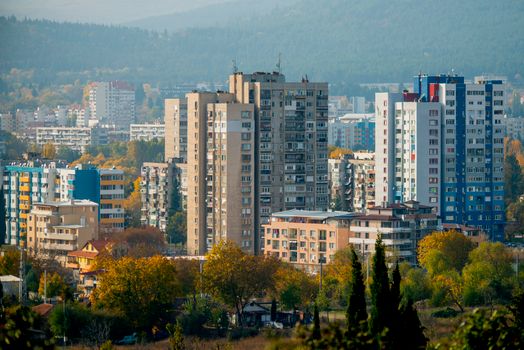
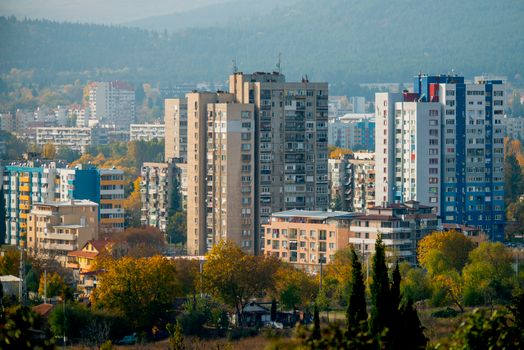
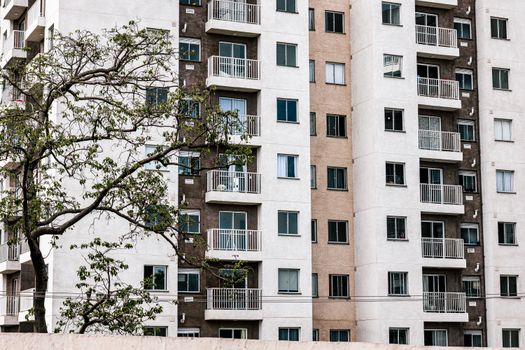
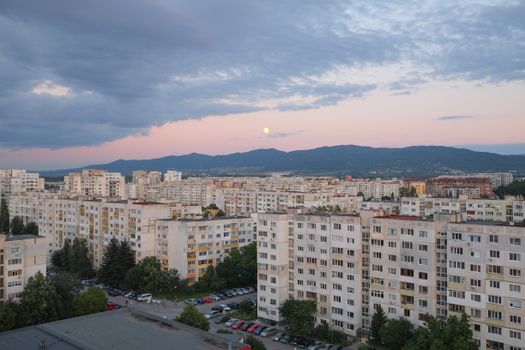
- $1 Built during the communist era, these concrete apartment buildings are abundant in cities. They often offer spacious layouts and affordable rents, but some may lack modern amenities or require renovation. - $1 Modern complexes offer amenities like underground parking, gyms, and security. These are more common in city suburbs and are popular among young professionals and expats. - $1 Found mostly in city centers, these apartments boast character and central locations, but may have higher rents and require more maintenance. Location also plays a big role in lifestyle: - City center apartments provide easy access to amenities, cafes, and nightlife, but may be noisier and pricier. - Suburban areas offer more space, green parks, and quieter environments, ideal for families or those seeking tranquility.Below is a comparative table to help you understand the main differences in residential areas in Sofia, Bulgaria’s capital:
| Area Type | Typical Rent (1-bed, €/month) | Transport Access | Key Features |
|---|---|---|---|
| City Center | €500-€800 | Excellent (metro, buses, trams) | Vibrant, historic, close to offices & nightlife |
| Suburban (Lozenets, Studentski Grad) | €350-€600 | Good (metro, buses) | Modern, green, quieter, family-friendly |
| Outskirts (Lyulin, Mladost) | €250-€450 | Moderate (bus, metro) | Affordable, spacious, further from center |
Utilities, Internet, and Everyday Conveniences
Renting an apartment in Bulgaria involves more than just paying monthly rent. Understanding utilities, connectivity, and daily conveniences is vital for smooth living.
- $1 On average, monthly utility bills (electricity, water, heating, waste) for a 1-bedroom apartment range between €60-€100, depending on season and location. Central heating is common in older buildings, while newer ones may have individual gas or electric systems. Check whether utilities are included in your rent, as this can vary widely. - $1 Bulgaria boasts some of the fastest and most affordable internet in the EU. According to Speedtest, average broadband speeds in Bulgaria exceed 110 Mbps, and monthly costs for unlimited home internet typically range from €10-€20. Major mobile providers include A1, Vivacom, and Yettel, offering prepaid and contract plans. - $1 Supermarkets like Kaufland, Lidl, and Billa are found in all major cities, supplemented by local markets offering fresh produce. A typical grocery bill for a single person is around €120-€180 per month. - $1 Sofia’s integrated transport system offers metro, buses, and trams. A monthly travel card for all lines costs about €25, making it cheap and easy to get around.Legal and Practical Considerations for Foreign Renters
Foreigners have the right to rent property in Bulgaria, but there are specific legal and practical aspects to keep in mind:
- $1 Always insist on a written contract, preferably in both Bulgarian and English. Contracts typically last 12 months, with a one-month deposit and one month’s rent paid upfront. Shorter-term rentals may be available, especially in tourist hubs. - $1 By law, all residents (including foreigners) must register their address with the local municipality. Many landlords can assist with this process, especially in cities with large expat populations. - $1 Citizens of the EU, EEA, and Switzerland can reside in Bulgaria without a visa. Non-EU citizens may need to secure a long-term visa or residence permit, particularly if planning to stay over 90 days. - $1 While Bulgarian law generally favors landlords in eviction cases, tenants have rights, including advance notice before eviction and the right to a habitable property. Make sure to check the inventory list and property condition before moving in, as deposit disputes are not uncommon.Community, Social Life, and Integration
Living in Bulgaria offers a rich social and community life. Here are some ways to make the most of your time:
- $1 Cities like Sofia, Plovdiv, and Varna host regular cultural festivals, concerts, and open-air markets. These are great opportunities to meet locals and expats alike. - $1 Bulgaria has a growing expat scene, with online groups (such as “Expats in Sofia & Friends” on Facebook) and regular meet-ups. These can help you navigate bureaucracy, find trusted service providers, or simply make friends. - $1 Many NGOs and language schools offer volunteering opportunities or exchange programs, making it easier to integrate and improve your Bulgarian. - $1 Bulgaria is renowned for its nature. From hiking in the Rila Mountains to skiing in Bansko or relaxing at Black Sea beaches, outdoor activities are a big part of the lifestyle.Adapting to the Bulgarian Way of Life: Tips for a Smooth Transition
Adjusting to life in Bulgaria can be both exciting and challenging. Here are some tips to help you settle in:
- $1 Even learning how to say “hello” (zdraveyte), “thank you” (blagodarya), and numbers will help in daily interactions. - $1 While card payments are increasingly accepted, especially in cities, small shops and markets often prefer cash. ATMs are widely available, but familiarize yourself with local banking options for international transfers. - $1 For example, removing your shoes when entering a home is customary. When invited to a Bulgarian home, bringing a small gift (such as flowers or sweets) is appreciated. - $1 Processes like address registration or setting up utilities can be slow, especially if you don’t speak Bulgarian. Consider hiring a relocation agent or asking your landlord for help. - $1 Bulgaria has hot summers and cold winters. Make sure your apartment has adequate heating for winter (temperatures can drop below -10°C), and consider air conditioning for the summer months.Final Reflections: Making the Most of Your Bulgarian Apartment Experience
Renting an apartment in Bulgaria opens the door to a unique and rewarding lifestyle. From understanding local customs to navigating legal requirements and enjoying vibrant community life, being prepared will make your transition smoother and more enjoyable. Whether you’re staying for a few months or planning to call Bulgaria home, embracing the local way of life—its traditions, cuisine, and sense of community—will enrich your experience and help you settle in with confidence.