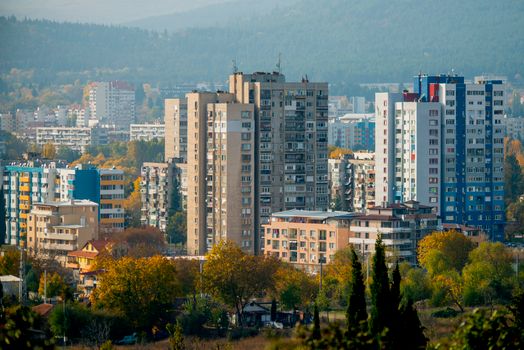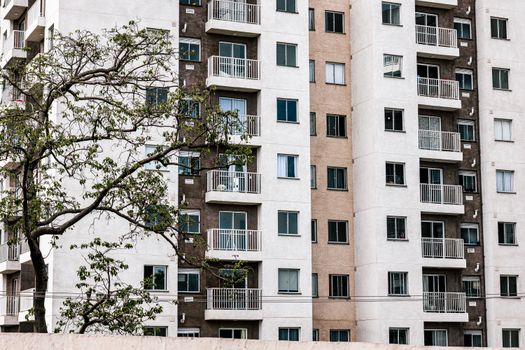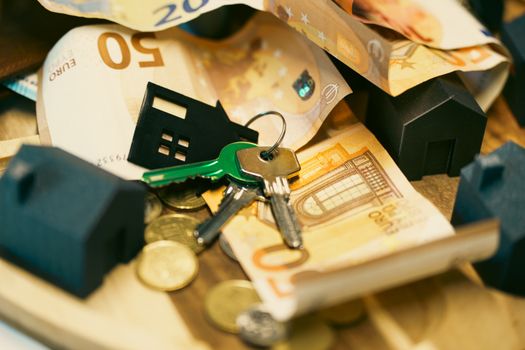
Whether you’re an expat, an investor, or a first-time homebuyer, the Bulgarian property market offers unique opportunities—and challenges—when it comes to negotiating apartment prices. With Bulgaria’s real estate market remaining attractive due to its relatively low entry prices and growing demand in cities like Sofia, Plovdiv, and Varna, knowing how to negotiate effectively can make the difference between a good deal and an exceptional one. This article explores actionable strategies, cultural nuances, and insider tips to help you successfully negotiate the price of an apartment in Bulgaria.
The Bulgarian Real Estate Landscape: What Makes Negotiation Possible
Understanding why there’s room for negotiation in Bulgaria is the first step. The market is dynamic, with significant differences between regions and property types. According to the National Statistical Institute of Bulgaria, the average price per square meter for apartments in Sofia was around €1,500 in 2023, while in cities like Burgas or Varna, averages ranged from €1,100 to €1,300. Rural and smaller town properties can be even more affordable.
Several factors contribute to negotiability:
- There’s a mix of private sellers, developers, and agencies, each with different motivations. - Bulgarian cultural norms allow for bargaining, particularly in real estate. - The market shows seasonal fluctuations; prices tend to be more flexible in winter or during economic downturns. - Some sellers are motivated by emigration or financial need, increasing their willingness to negotiate.A 2022 survey by Imoti.net revealed that over 60% of Bulgarian property deals involved negotiation, with average price reductions between 3% and 8%—but savvy buyers sometimes achieve 10% or more.
.png)
Timing Your Approach: When is the Best Moment to Negotiate?
One of the most overlooked aspects is timing. The real estate market in Bulgaria has its own rhythm, and timing your offer can significantly impact negotiations.
- $1 The Bulgarian property market is less active from November to February. Sellers facing fewer buyers may be more flexible on price. According to local agents, price concessions are 15-20% more common in winter. - $1 Agents and developers may have quotas or targets. Approaching at the end of a period can make them more amenable to discounts. - $1 Properties listed for more than 90 days are statistically 30% more likely to accept a lower offer, as sellers become more motivated.| Timing | Chance of Negotiation Success | Average Discount Achieved |
|---|---|---|
| Winter (Nov-Feb) | High | 5-12% |
| Spring/Summer (Mar-Aug) | Moderate | 3-6% |
| Property Listed >90 days | Very High | 7-15% |
| End of Month/Quarter | High | 4-8% |
This data highlights that being patient and strategic with your timing can yield substantial savings.
Mastering the Art of the Offer: Tactics That Work in Bulgaria
Bargaining in Bulgaria is both an art and a science. Here are proven tactics tailored to the Bulgarian market:
- $1 Opening with an offer 10-15% below the asking price is typical. Drastic lowballing (over 20%) can alienate the seller. - $1 Bring evidence: recent sales of similar apartments in the same area. Bulgarian sellers respond well to data and facts rather than vague arguments. - $1 Pointing out needed renovations, outdated appliances, or legal issues (like unclear property rights) can justify a lower offer. - $1 Consider negotiating for extras—furniture, parking space, or lower agency fees. Sometimes these “add-ons” are easier to discuss than price alone. - $1 Demonstrating that you have other options gives you leverage. Sellers often make concessions when they sense urgency or competition is lacking.For example, a 2023 case in Sofia saw a buyer use recent sales data and highlighted the need for bathroom renovation, leading to a €9,000 reduction on a €120,000 apartment—a 7.5% discount.
Cultural Nuances: Negotiating with Bulgarian Sellers and Agents
Understanding local customs can give you an edge. Bulgarians value directness but also expect a certain level of politeness and formality. Here’s what to keep in mind:
- $1 While initial discussions can be by phone or email, in-person negotiations are more effective. Sellers appreciate the seriousness conveyed by a meeting. - $1 Bulgarians may nod for “no” and shake their head for “yes”—the opposite of many cultures. Clarify if unsure. - $1 Take time for small talk and be personable. Relationships matter, and a friendly approach can unlock flexibility. - $1 Hard pressure or rushing is often counterproductive. Give sellers time to consider your offer; “sleeping on it” is common.If using an agent, clarify whether their commission is fixed or based on final price—agents sometimes have an interest in keeping prices high.
Legal and Financial Preparation: Strengthening Your Negotiating Position
Being prepared makes you a more attractive buyer and can help you negotiate better terms. Here’s how to get ready:
- $1 Sellers prefer buyers with proof of funds or mortgage pre-approval. This can justify a lower offer in exchange for a quick, certain sale. - $1 Check the property’s legal status—ownership, debts, encumbrances, and building permits. Issues discovered during due diligence can be powerful negotiation points. - $1 In Bulgaria, a deposit (typically 10% of the price) is paid upon signing a preliminary contract. Being flexible on deposit timing can tip negotiations in your favor. - $1 These often add 3-5% to the transaction. Use this knowledge to negotiate who pays what, especially if the seller is keen to close quickly.A 2021 study by Bulgarian Properties found that buyers with mortgage pre-approval achieved successful negotiations 18% more often than those without.
Case Study: Negotiating in Sofia vs. Varna—A Tale of Two Cities
Let’s look at two realistic scenarios to illustrate how negotiation strategies differ between Bulgaria’s capital and a major coastal city.
- $1 A two-bedroom apartment in Lozenets is listed at €180,000. The buyer, using data from three recent sales at €165,000-170,000 and noting outdated windows, offers €165,000. After two rounds, the seller agrees to €170,000, including kitchen appliances—a 5.5% discount. - $1 A similar-sized apartment near the Sea Garden is on the market for €130,000. The buyer discovers it’s been listed for four months and that the seller is moving abroad soon. Starting at €115,000 and ready to move quickly, the buyer and seller settle at €120,000, a 7.7% reduction, with the buyer covering notary fees.This comparison demonstrates how local supply, seller motivation, and property condition all influence negotiation outcomes.
Final Thoughts on Negotiating an Apartment Price in Bulgaria
Negotiating the price of an apartment in Bulgaria can be both challenging and rewarding. The key lies in preparation—knowing the market, understanding local customs, timing your approach, and being ready with financing and facts. Whether you’re seeking your dream home or an investment property, applying these strategies can help you secure a better price and ensure a smoother, more transparent transaction. Remember, every deal is unique, but informed negotiation is always to your advantage.