Investing in Real Estate in Bulgaria: How to Avoid Common Pitfalls
Bulgaria has become a hotspot for real estate investors seeking attractive returns and a foothold in the European property market. From the vibrant capital of Sofia to the idyllic Black Sea coastline, property prices in Bulgaria are still relatively affordable compared to Western Europe. According to the Bulgarian National Statistical Institute, property prices in Bulgaria increased by 9.5% in 2023, while foreign property purchases rose by nearly 20% compared to the previous year. Yet, while the promise of growth is real, so are the challenges. Many investors—both local and international—have found themselves facing unexpected hurdles, costly mistakes, and legal snags that could have been avoided with the right knowledge.
Understanding the unique aspects of the Bulgarian property market is crucial for a successful investment. This article will guide you through the most common pitfalls in Bulgarian real estate investment and offer actionable advice to steer clear of them.
The Bulgarian Real Estate Landscape: Opportunities and Risks
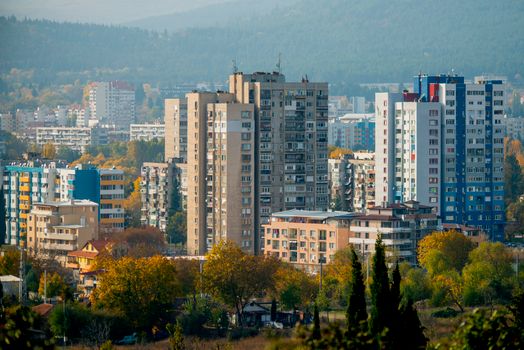
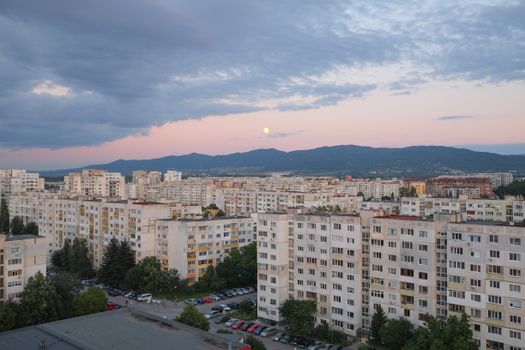
Bulgaria’s real estate market has evolved dramatically over the past two decades. After the country joined the European Union in 2007, foreign interest surged, particularly in tourist hotspots such as Bansko, Sunny Beach, and Varna. As of 2024, Bulgaria offers some of the lowest property prices in the EU, with the average price per square meter in Sofia around €1,500, compared to over €6,000 in Paris or €5,000 in Vienna.
.png)
Despite these opportunities, the Bulgarian market is not without its risks. Unregulated developments, unclear land titles, and uneven enforcement of building standards can expose investors to significant losses. Local knowledge and due diligence are essential to avoid falling into common traps.
Navigating Legal Complexities: Title Deeds and Ownership Structures
One of the most frequent—and costly—mistakes foreign investors make in Bulgaria is failing to properly verify property ownership. Bulgarian law distinguishes between different types of ownership, and not all properties are sold with a clean title.
A particular challenge arises with agricultural land: non-EU citizens cannot purchase it directly, and even EU citizens face strict rules. Many foreign buyers have unwittingly entered into risky arrangements, such as purchasing through a Bulgarian company or via proxy, only to encounter legal disputes later.
Common legal pitfalls include: - Buying property with unclear or contested ownership - Overlooking encumbrances such as mortgages, liens, or unpaid taxes - Failing to review the property’s zoning and permitted uses To avoid these issues: - Always request an up-to-date extract from the Property Register (Имотен регистър) - Hire an independent lawyer who is not connected to the seller or the real estate agent - Insist on a full title check and ensure all taxes and utility bills are paid up to the date of saleDue Diligence: Beyond the Brochure
Glossy brochures and enticing online listings can paint an overly rosy picture of Bulgarian properties. Some investors have been disappointed upon discovering that their “dream home” was built without proper permits, is subject to demolition orders, or faces unresolved building defects.
Key aspects of due diligence include: - Verifying building permits and planning permissions for any construction since 2001 - Checking if the property is subject to restitution claims (a legacy of Bulgaria’s post-communist transition) - Inspecting the actual size and boundaries of the property, as discrepancies between the physical property and legal documentation are commonFor newly built apartments, ensure the building has been granted an official Certificate of Habitation (Act 16), which is required for legal occupancy. Without this certificate, you may face difficulties with utility connections or resale.
Understanding the Tax and Fee Structure: Avoiding Hidden Costs
Bulgaria’s low property taxes are often cited as a major advantage for investors. However, misunderstandings about the country’s tax and fee structure can lead to unpleasant surprises.
Here’s a comparative overview of typical costs involved in a property transaction in Bulgaria:
| Transaction Cost | Percentage/Fixed Amount | Who Pays? |
|---|---|---|
| Property Transfer Tax | 2%-3% of property value | Buyer |
| Notary Fees | 0.1%-1.5% (sliding scale) | Buyer |
| Registration Fees | €30-€50 (fixed) | Buyer |
| Lawyer Fees | ~1% of property value | Buyer (optional but recommended) |
| Annual Property Tax | 0.15%-0.25% of tax value | Owner |
Working with Agents and Intermediaries: Selecting the Right Partners
While Bulgaria has reputable real estate agents, the market is not as tightly regulated as in some Western European countries. Unscrupulous agents may misrepresent properties, inflate prices, or gloss over title or planning issues.
Tips for working with agents: - Check if the agent is a member of the Bulgarian National Real Estate Association (NSNI), which sets professional standards - Avoid agents who push for quick deals or refuse to provide documentation - Be wary of “double commission” arrangements, where the agent charges fees to both buyer and seller without full disclosureA growing trend is the use of property finders—consultants who act exclusively for the buyer and are paid a fixed fee, rather than a commission based on the sale price. This can align incentives and help avoid conflicts of interest.
Property Management and Rental Regulations: Planning for the Future
Many investors purchase Bulgarian real estate with the intention of earning rental income, either short-term (holiday lets) or long-term. However, the legal and practical aspects of property management require careful attention.
Key points to consider: - Short-term holiday rentals are subject to local registration requirements. Some municipalities, especially in popular resorts, have tightened rules and increased inspections in recent years. - Income from rental properties is taxable in Bulgaria. The standard rate for individuals is 10%, and rental income must be declared to the tax authorities. - If you plan to use a property management company, ensure they are reputable, have clear contracts, and provide regular reporting.One notable statistic: According to Eurostat, Bulgaria had over 12 million international tourist arrivals in 2023, driving strong demand for short-term rentals in popular areas. However, oversupply in some locations (notably Sunny Beach) has led to falling yields and increased competition among landlords.
Mitigating Risks: Practical Steps for Secure Investment
Avoiding pitfalls in Bulgarian real estate investment requires a proactive approach. Here are practical steps you can take to protect your interests:
- Visit the property in person before purchase; do not rely solely on photos or virtual tours. - Use independent translators for all contracts and documentation. - Retain copies of all communications, contracts, and receipts. - Set up a Bulgarian bank account to handle local transactions—this can simplify payments and help avoid currency conversion fees. - Consider title insurance or legal indemnity insurance for added protection against unforeseen claims.A case study illustrates the risks: In 2022, a group of British buyers purchased apartments in a new development near Varna. Months later, they discovered the building had no occupancy permit, and the developer had unpaid debts leading to foreclosure proceedings. Legal action is ongoing, highlighting the importance of full due diligence and legal safeguards.
Key Takeaways: Smart Strategies for Bulgarian Real Estate Investment
The Bulgarian property market offers compelling opportunities, especially for those seeking value and growth in a dynamic EU country. However, the path to successful investment is paved with potential pitfalls—from unclear titles and hidden costs to unreliable intermediaries and regulatory changes.
By focusing on legal due diligence, understanding the true costs, working only with reputable partners, and planning for long-term management, you can significantly reduce your risks and enhance your returns.
Whether you are looking for a seaside retreat, a city apartment, or a buy-to-let investment, the key is preparation. Take your time, seek independent advice, and never rush into a deal that feels too good to be true. In real estate—especially in a market as diverse as Bulgaria’s—knowledge truly is power.