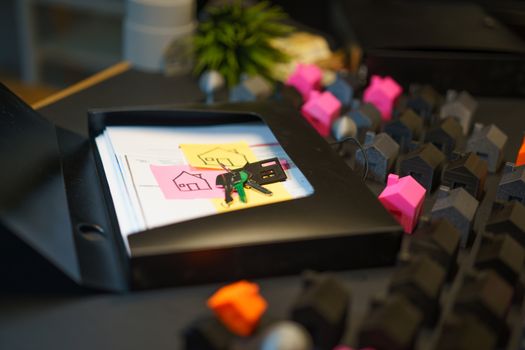
Owning property in Bulgaria—whether a seaside holiday apartment, a mountain chalet, or an urban investment flat—brings undeniable opportunities. But the reality of property ownership extends far beyond the purchase itself. Regular, proactive maintenance is crucial not only to preserve your asset’s value but also to ensure comfort, legal compliance, and peace of mind. This article delves into what you should know about property maintenance in Bulgaria, offering practical advice tailored to local conditions and regulations.
The Importance of Regular Property Maintenance in Bulgaria
Bulgaria’s property market has grown steadily, with over 124,000 real estate transactions registered in 2023 alone. As more international buyers enter the market, understanding the nuances of property maintenance becomes essential. Unlike some Western European countries, Bulgaria’s climate, infrastructure, and building materials require specific upkeep strategies.
Neglecting maintenance can lead to costly repairs, insurance issues, and even legal complications. For example, water damage from leaky roofs or burst pipes is among the top insurance claims in Bulgaria, accounting for nearly 40% of all property claims according to a 2022 Allianz Bulgaria report. Proactive care not only prevents such issues but also helps maintain rental yields and resale value.
.png)
Understanding Local Climate and Its Impact on Your Property
Bulgaria’s climate is diverse, with coastal, mountainous, and continental regions each presenting unique maintenance challenges:
- Black Sea Coast: Humid summers and salty air accelerate corrosion and mold growth. Exterior paints, window frames, and metal fixtures require regular inspection and treatment. - Sofia and Interior Cities: Cold winters (average lows of -3°C in January) demand robust heating systems and insulation. Annual boiler checks and insulation maintenance are vital. - Mountain Resorts: Heavy snowfall in areas like Bansko (average snowfall of 150 cm per season) can damage roofs and gutters. Snow removal and roof inspections are non-negotiable.Tailoring your maintenance schedule to the local climate is crucial. For example, property owners in Varna often need to repaint exteriors every 4-5 years, compared to every 7-8 years in drier, inland regions. Additionally, properties exposed to harsher climates might require more frequent checks of roofs, gutters, and heating systems to ensure longevity.
Legal Obligations and Common Regulations for Bulgarian Property Owners
While Bulgaria’s property laws are generally owner-friendly, there are specific maintenance-related obligations that cannot be ignored:
- Apartment Buildings: Under the Condominium Ownership Management Act, owners must contribute to common area maintenance and repairs. This covers elevators, roofs, facades, and shared utilities. - Fire Safety Regulations: Properties must comply with fire safety codes, especially rental properties. This can include regular checks of fire alarms and extinguishers. - Waste Management: Owners are responsible for proper garbage disposal and, in some municipalities, must arrange for pest control.Non-compliance can result in fines ranging from 50 to 500 BGN for individuals and much higher for companies. For example, failing to address mold in a rental property could lead to tenant complaints and legal action.
Essential Maintenance Tasks: Annual, Seasonal, and Emergency
A well-organized maintenance plan is the backbone of good property management. Here’s a breakdown of typical tasks by frequency:
Annual Tasks: - Boiler and heating system servicing (recommended before winter). - Roof and gutter inspection for leaks or blockages. - Chimney sweeping (especially in older or rural homes). - Pest inspection and prevention. Seasonal Tasks: - Spring: Deep cleaning, checking for winter damage, repainting if needed. - Summer: Air conditioning maintenance, exterior inspections for mold or corrosion. - Autumn: Cleaning gutters, checking insulation, preparing heating systems. - Winter: Snow removal from driveways and roofs, pipe insulation. Emergency Tasks: - Water leaks or burst pipes: Immediate plumber intervention; Bulgaria’s water supply system is prone to freezing in winter, especially in rural areas. - Electrical faults: Certified electricians are required by law for major repairs.Professional services are widely available. For instance, annual boiler maintenance in Sofia typically costs between 60 and 120 BGN, while roof repairs vary widely depending on extent and materials.
DIY vs. Hiring Professionals: Costs, Risks, and Recommendations
Some maintenance tasks can be handled by owners, while others demand professional expertise due to safety, quality, or legal reasons. The table below compares typical tasks:
| Task | DIY | Hire Professional | Approximate Cost (2024) | Risks/Notes |
|---|---|---|---|---|
| Painting Interior Walls | Yes | Optional | DIY: 80-200 BGN (materials), Pro: 300-600 BGN | DIY saves money but may lack finish quality |
| Boiler Servicing | No | Yes | 60-120 BGN | Legal requirement for certified technician |
| Roof Leak Repair | Not advised | Yes | 300-2,000 BGN (depending on scope) | DIY can be dangerous; professional guarantees |
| Garden Maintenance | Yes | Optional | DIY: tools cost, Pro: 20-40 BGN/hour | DIY feasible for small gardens |
| Electrical Repairs | No | Yes | 30-80 BGN/hour | Legal and safety requirement for major work |
While DIY options exist, always consider local regulations, insurance requirements, and the long-term implications of improper work. Insurance claims may be denied if repairs are not performed by licensed professionals where required.
Managing Property Remotely: Tips for Non-Resident Owners
A significant portion of property owners in Bulgaria are non-residents. In 2023, nearly 20% of all property buyers were foreign nationals. Managing maintenance from abroad comes with unique challenges but is entirely feasible with the right approach.
- Choose a Reliable Property Management Company: Rates typically range from 30 to 150 EUR/month, depending on services and property size. These companies can handle routine maintenance, emergency repairs, bill payments, and liaise with local authorities. - Set Up Remote Monitoring: Install smart home devices for temperature, humidity, and security. Many Bulgarian internet providers offer affordable smart home packages. - Establish a Clear Maintenance Schedule: Ensure your property manager provides regular reports, photos, and receipts. - Budget for Unexpected Costs: Experts recommend setting aside 1-2% of the property value annually for maintenance and unexpected repairs. - Communicate in Writing: Always keep written records of instructions and agreements, especially when dealing with contractors or management firms.For example, a British couple owning a holiday apartment in Burgas set up a remote video system and hired a local company for 90 EUR/month. They receive bi-monthly reports and have avoided major issues, despite only visiting once a year.
How to Choose Reliable Maintenance Services in Bulgaria
With over 5,000 registered property management and maintenance firms in Bulgaria, selecting the right service provider can be daunting. Here’s how to choose wisely:
- Check Registration and Insurance: Legitimate companies should have a valid trade registration and liability insurance. - Ask for References: Reputable firms will provide references or client testimonials. - Compare Offers: Obtain at least three written quotes for major works. - Clarify Contracts: Ensure contracts specify scope of work, timelines, payment schedules, and warranty terms. - Language Skills: For non-Bulgarian speakers, choose companies with English- or German-speaking staff.Websites such as Imoti.net and Bazar.bg feature reviews and listings for property service providers. Additionally, many expat forums have active discussions on recommended companies in various regions.
Final Thoughts on Property Maintenance in Bulgaria
Property maintenance in Bulgaria is a multifaceted responsibility that extends well beyond routine cleaning. Climate, legal obligations, and the unique needs of Bulgarian construction all play a role. By understanding these factors and planning proactively—whether you live in Bulgaria or manage your property remotely—you can protect your investment, avoid legal headaches, and ensure your property remains comfortable and valuable for years to come.
Remember: regular maintenance is not just an expense, but a critical investment in the longevity and profitability of your Bulgarian property.