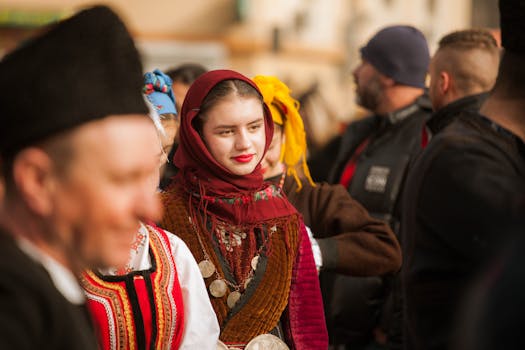
Bulgarian culture, with its deep-rooted traditions and historical influences, plays a significant role in shaping how Bulgarians design, organize, and live in their apartments. This cultural impact is evident in everything from the architectural layout to the decorative choices, reflecting a lifestyle that is both communal and intimately connected with Bulgarian heritage.
Creating a Welcoming Atmosphere
Central to Bulgarian apartment living is the creation of a warm, inviting atmosphere. This stems from a longstanding tradition of hospitality, where homes are always prepared to welcome guests. Consequently, Bulgarian apartments are typically designed with spacious living rooms, equipped with comfortable, ample seating to accommodate both family and gatherings. A large dining table is also a staple, symbolizing the importance of meals and social interactions, which are core to Bulgarian familial life.
.png)
Traditional Decorative Elements
The aesthetic within Bulgarian apartments often includes traditional elements like handmade carpets, embroidered textiles, and local pottery. These items are cherished not merely for their beauty but for their cultural significance, embodying the artisan skills passed through generations. The vibrant colors and intricate patterns of these decorations infuse Bulgarian homes with a unique, cozy, and culturally rich ambiance.
Integration of Nature
Reflecting Bulgarians' deep connection to nature, it's common to see an array of plants within their apartments, enhancing the environment with freshness and vitality. Balconies serve as crucial extensions of living spaces, where people cultivate flowers and herbs, seamlessly integrating the indoors with the natural world outside.
Kitchen as a Social Hub
In Bulgarian culture, the kitchen transcends its culinary function to become a central hub of family life and social interaction. This cultural perspective is reflected in the popularity of open-plan kitchens that merge seamlessly with living areas, encouraging communication and interaction among family and guests alike.
Architectural Considerations
The architectural design of Bulgarian apartments often takes into account the historical and geographical context of the area. In urban centers like Sofia and Plovdiv, where space is limited, apartments are ingeniously designed to maximize functionality without compromising on comfort or aesthetic appeal. This includes smart storage solutions and multifunctional furniture that accommodate various activities and occasions.
Sustainability Practices
Modern Bulgarian apartment living increasingly incorporates sustainability, with a growing consciousness towards environmental stewardship. Many Bulgarians are adopting eco-friendly practices, including the use of energy-efficient appliances, sustainable building materials, and proactive waste reduction through recycling and composting. These practices reflect not only a global environmental trend but also traditional Bulgarian values of living harmoniously with nature.
Communal Living
The communal nature of Bulgarian life extends into apartment complexes, where shared amenities such as gardens, playgrounds, and pools are common. These shared spaces not only optimize physical space but also foster a community spirit among residents, embodying the Bulgarian values of collectivism and mutual support.
Conclusion
The influence of Bulgarian culture on apartment living is profound and multifaceted. From the emphasis on hospitality and communal living to the integration of traditional decor and modern sustainability practices, these cultural elements define the uniqueness of Bulgarian apartments. As Bulgaria continues to adapt and grow, these influences are likely to evolve, blending tradition with modern innovations to create functional, aesthetically pleasing, and culturally resonant living spaces.