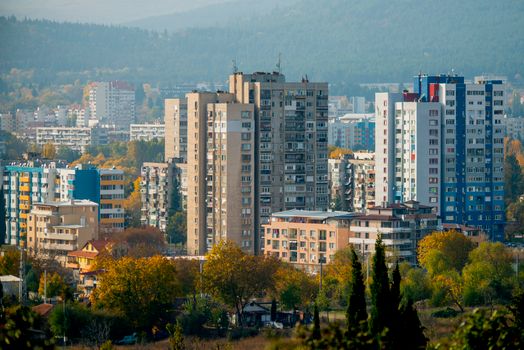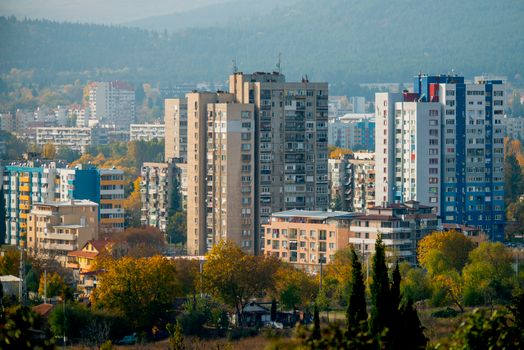
Bulgaria’s property market has evolved rapidly over the past decade, but nowhere is this transformation more visible than in the burgeoning luxury apartment segment. From Sofia’s elegant penthouses with panoramic mountain views to Varna’s exclusive beachfront residences, Bulgaria now offers a level of urban sophistication and exclusivity once reserved for Western Europe’s most glamorous cities. For buyers, investors, and expatriates, navigating Bulgaria’s luxury apartment market requires a nuanced understanding of local trends, pricing, amenities, and the unique lifestyle these properties offer. This article delves deep into the heart of Bulgaria’s luxurious apartment segment, offering guidance and insight for those seeking the pinnacle of urban living in this dynamic Balkan nation.
The Rise of Bulgaria’s Luxury Apartment Market
Just a decade ago, the concept of a “luxury apartment” in Bulgaria was relatively new. Today, Bulgaria boasts a vibrant high-end property market, especially in cities like Sofia, Plovdiv, Varna, and Burgas. The shift began around 2015, when foreign investment and a burgeoning local middle class fueled demand for upscale real estate. In 2023, luxury apartments accounted for approximately 12% of all new residential constructions in Sofia, up from just 4% in 2012.
What defines a luxury apartment in Bulgaria? Beyond location, luxury units typically offer cutting-edge architecture, state-of-the-art security, private parking, concierge services, and premium interior finishes. Developers have responded to the increasing appetite for exclusivity by introducing international-standard amenities such as rooftop pools, fitness centers, and smart home technology.
.png)
The average price per square meter for luxury apartments in Sofia reached €2,800 in late 2023, nearly double the city-wide average of €1,400. In Varna and Burgas, seafront luxury properties can command upwards of €3,500 per square meter, reflecting the desirability of these prestigious addresses.
Prime Locations: Where Luxury Living Thrives
Location remains the ultimate differentiator in Bulgaria’s luxury apartment market. Sofia’s Lozenets, Ivan Vazov, and Doctor’s Garden neighborhoods are synonymous with exclusivity, offering proximity to parks, embassies, and high-end retail. In Lozenets, for example, over 65% of new residential developments target the luxury segment, according to a 2023 report by Bulgarian Properties.
Varna’s Sea Garden area, with its sweeping Black Sea views and refined atmosphere, is another hotspot. Here, luxury apartments often feature private gardens, direct beach access, and round-the-clock security. In Plovdiv, the Old Town and Kapana art district offer a blend of historical charm and modern comfort, attracting both local elites and international buyers.
A comparative overview of Bulgaria’s top luxury apartment locations:
| City | Prestigious Areas | Average Price (€/m², 2023) | Key Features |
|---|---|---|---|
| Sofia | Lozenets, Ivan Vazov, Doctor’s Garden | €2,800 | Green spaces, embassies, fine dining, cultural venues |
| Varna | Sea Garden, Briz | €3,500 | Beach access, sea views, private gardens |
| Plovdiv | Old Town, Kapana | €2,100 | Historical architecture, cultural hotspots |
| Burgas | Lazur, Sea Garden | €2,400 | Seaside promenades, modern infrastructure |
These locations are not just prestigious addresses; they offer a lifestyle defined by convenience, security, and access to the best the city has to offer.
The Luxury Lifestyle: Amenities, Architecture, and Services
Luxury apartments in Bulgaria go far beyond square footage. Today’s buyers expect — and receive — a holistic lifestyle package. Prime developments offer underground parking, private storage units, 24/7 security, and advanced access systems. Many feature landscaped courtyards, rooftop gardens, wellness centers, and even private cinemas.
For instance, Sofia’s Millennium Tower Residences offer residents an on-site spa, sky bar, and exclusive shopping gallery. In Varna, the Aquarelle complex features heated outdoor pools, a private marina, and a helipad for residents with more extravagant tastes.
Smart home integration is increasingly common, with climate control, security, and lighting systems managed via smartphone apps. In 2022, over 30% of new luxury apartments in Sofia included some form of smart technology, a number expected to surpass 50% by 2025.
Furthermore, concierge services — once rare in Bulgaria — are now standard in high-end developments. Whether arranging housekeeping, booking a private chef, or securing VIP tickets to cultural events, these services add a layer of comfort and exclusivity.
Who Buys Bulgaria’s Luxury Apartments?
The luxury apartment segment attracts a diverse clientele. Traditionally, Bulgarian entrepreneurs, executives, and celebrities have been the primary buyers. However, the past five years have seen a surge in foreign interest, particularly from Western Europeans, Russians, Israelis, and, more recently, digital nomads seeking a high standard of living at competitive prices.
According to the National Statistical Institute of Bulgaria, foreign purchases accounted for about 23% of luxury apartment sales in Sofia in 2023. Many of these buyers are attracted not only by the quality of life but also by Bulgaria’s favorable tax regime and EU membership, which facilitates cross-border investment.
Additionally, the rise of remote work has led to increased demand from expatriates and “lifestyle migrants” looking for comfortable, well-appointed homes in attractive, safe neighborhoods. The luxury segment is also popular among investors seeking high-yield rental properties — short-term luxury rentals in Sofia can generate net yields of 5-7% per annum, significantly higher than in many Western European capitals.
Investment Outlook: Value, Risks, and Returns
Luxury apartments in Bulgaria have proven to be resilient investments. Despite global economic uncertainties, the segment has continued to see steady price growth. Between 2019 and 2023, the average price of luxury apartments in Sofia increased by 32%, compared to a 21% rise in the general apartment market.
However, luxury property investment is not without its risks. The segment is more sensitive to economic shocks, and liquidity can be lower, especially for ultra-high-end properties. Buyers should conduct due diligence on the developer’s reputation, the building’s maintenance history, and the long-term viability of the area.
Rental demand for luxury apartments is robust, fueled by business travelers, diplomats, and short-term tourists seeking premium accommodation. In Sofia, occupancy rates for high-end rentals averaged 87% in 2023, according to Colliers International.
Key factors that make luxury apartments a compelling investment in Bulgaria include:
- Strong rental yields (5-7% net per annum in premium areas) - High-quality construction and amenities - Growing foreign demand - Favorable property tax rates (flat 10% income tax, low annual property taxes) - Long-term capital appreciation potentialAs with all property investments, location, quality, and management are critical for maximizing returns and minimizing risk.
Understanding the Buying Process: Legal, Financial, and Practical Tips
Purchasing a luxury apartment in Bulgaria involves several steps, each with its own legal and financial considerations. Unlike some neighboring countries, Bulgaria allows foreigners to buy apartments with full freehold title, though land purchases may require the establishment of a local company for non-EU citizens.
The process typically includes:
1. Property Search and Reservation: Once you find a suitable apartment, a reservation deposit (usually €2,000–€5,000) secures it while contracts are prepared. 2. Preliminary Contract: This agreement outlines the terms, price, and timeline. A deposit of 10–20% is standard. 3. Due Diligence: It is essential to verify ownership, building permits, maintenance fees, and any encumbrances. Engaging a local lawyer is highly recommended. 4. Final Contract and Payment: The notary deed is signed, and the balance is paid. Registration with the local Land Registry finalizes the purchase.Transaction costs in Bulgaria are relatively low, typically ranging from 3% to 5% of the property price (including notary fees, legal fees, and taxes). Mortgage options are available for both residents and non-residents, with interest rates averaging around 2.5%–3.5% for euro-denominated loans as of 2024.
Buyers should also budget for ongoing expenses such as building maintenance fees, utilities, and annual property taxes (usually 0.1%–0.2% of the property’s tax value).
Luxury Apartments in Bulgaria: The Path Forward
Bulgaria’s luxury apartment segment has emerged as a beacon of modern urban living in Southeast Europe. The country’s combination of competitive pricing, high construction standards, and growing demand from both locals and internationals makes it an attractive destination for discerning buyers and investors. As infrastructure and amenities continue to improve, and as Bulgaria’s cities gain prominence on the global stage, the luxury segment is poised for continued growth.
For those seeking not just a home, but a lifestyle defined by comfort, convenience, and exclusivity, Bulgaria’s luxury apartments represent a compelling opportunity. However, careful research, due diligence, and a clear understanding of the local market are essential for making a successful investment in this dynamic and evolving sector.