For many expatriates, moving to Bulgaria opens the door to a vibrant lifestyle, rich history, and affordable living. However, the journey to settling in a Bulgarian apartment is often filled with surprises—both pleasant and challenging. From unique architectural quirks to cultural surprises in neighborly interactions, expats quickly discover that apartment living in Bulgaria is distinctly different from what they may be used to. This in-depth guide explores the realities of expat life in Bulgarian apartments, highlighting what to expect, what to watch out for, and how to make the most of your new home.
Understanding Bulgarian Apartment Buildings: Architectural Features and Layouts
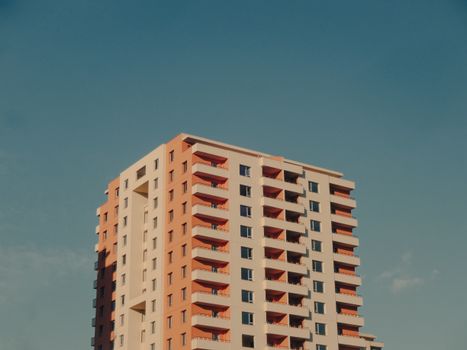
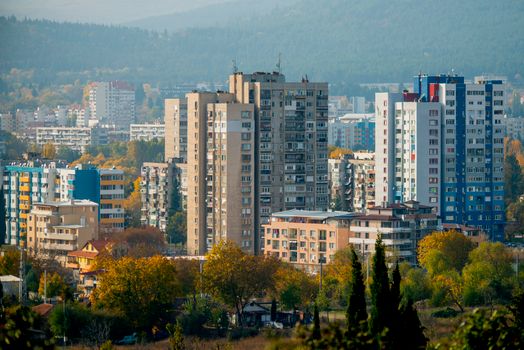
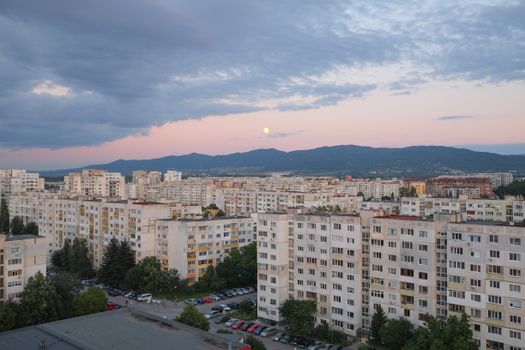
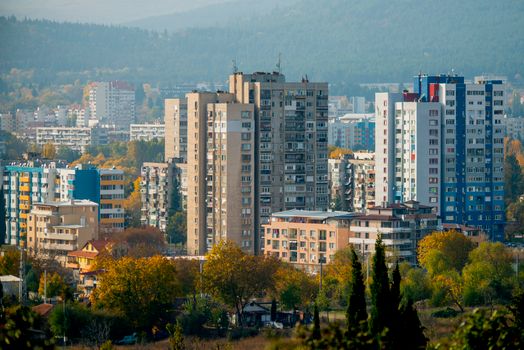
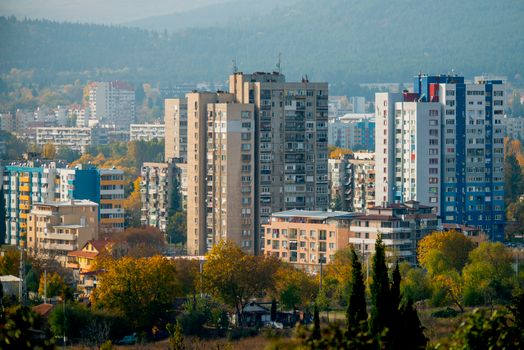
The first thing expats notice about Bulgarian apartments is their architectural diversity, reflecting the country’s complex history. Most apartments in cities like Sofia, Plovdiv, and Varna are found in buildings dating from several key periods:
- Pre-World War II: These apartments are often in elegant, character-filled buildings, but may lack modern amenities. - Socialist-era panel blocks (“panelki”): Built between the 1960s and 1980s, these concrete buildings house the majority of urban Bulgarians. They are known for their uniformity, sturdy construction, and sometimes drab exteriors. - Post-2000 new builds: Modern apartments offer contemporary layouts and improved insulation, but may vary widely in quality.A 2022 report by the Bulgarian National Statistical Institute found that approximately 62% of Bulgarians live in apartment buildings, with over 40% residing in panel blocks. For expats, this means a high likelihood of encountering older infrastructure and shared communal spaces.
.png)
Apartments are typically compact: the average size of a one-bedroom unit in Sofia is about 55 square meters (592 sq. ft.), while two-bedroom apartments average 75-90 sq. meters (807-970 sq. ft.). Balconies are common, but often enclosed for extra storage or insulation.
What to watch out for: - Elevator reliability can be an issue, especially in older blocks. - Central heating (district heating) is common in Sofia but not always efficient or flexible. - Stairwells and common areas may be minimally maintained, as building management is often handled by resident committees with limited resources.Utilities, Maintenance, and Apartment Infrastructure: Setting Expectations
One of the most significant adjustments for expats is managing utilities and understanding maintenance responsibilities. In Bulgaria, utility costs are generally low compared to Western Europe, but services can be unpredictable, particularly in older buildings.
Key facts: - The average monthly utility bill (electricity, heating, water, waste) for a 70 sq. meter apartment in Sofia is between 120-180 BGN (€60-€92) as of 2023. - Heating options include district heating, electric radiators, gas, or air conditioning. Rural areas may rely on wood stoves. - Water pressure and hot water supply can fluctuate, especially in panel buildings with old plumbing. Maintenance inside the apartment is typically the tenant’s responsibility, while common areas are managed collectively by residents. Expats often report challenges with: - Delayed repairs to elevators, roofs, or stairwells due to funding issues. - Disputes over contributions to building maintenance funds, which are mandatory but can be inconsistently collected. What to watch out for: - Check if the apartment has individual water and electricity meters; shared meters can lead to disputes. - Inspect for mold, poor insulation, and old wiring—common in buildings over 30 years old. - Ask about the building’s maintenance fund and recent repairs before signing a lease.Neighbors and Community Life: The Bulgarian Apartment Experience
Living in a Bulgarian apartment means joining a close-knit community. In many older buildings, generations of families may have lived side-by-side for decades. This creates a unique social dynamic that expats should be prepared for.
Notable aspects of community life: - Neighbors are generally friendly but can be direct about noise, cleanliness, and shared expenses. - Building meetings (“sabraniya”) are held to discuss maintenance, budgets, and community issues. Attendance is expected, even for renters. - Social etiquette is important: greeting neighbors, keeping noise down during afternoon siesta (typically 2-4 pm), and observing quiet hours after 10 pm.Expats often remark on the lively atmosphere—children playing in courtyards, neighbors sharing produce, and the tradition of leaving shoes at the door. However, cultural differences can also lead to misunderstandings, especially regarding noise, pets, or home modifications.
What to watch out for: - Some buildings enforce strict rules about renovations or even hanging laundry on balconies. - Disagreements over building fees or repairs can become contentious, given the communal decision-making structure. - Be prepared for unannounced visits from neighbors or building managers.Furnishings and Interior Design: What Expats Encounter
The interior of Bulgarian apartments can be a surprise—both in terms of style and functionality. Many rental apartments are offered fully or partially furnished, reflecting a mix of local tastes and practicality.
Key observations: - Furnishings may be outdated but sturdy; don’t be surprised by vintage carpets, heavy wooden furniture, or floral wallpaper from the 1970s. - Kitchens are often small and may lack a dishwasher or full-sized oven, though most have washing machines. - Storage space is at a premium, with built-in wardrobes and creative solutions for small bedrooms.According to a 2023 survey by the Bulgarian Real Estate Association, 68% of apartments for rent in Sofia are furnished, while 32% are unfurnished or only partially equipped. Expats seeking to personalize their space should clarify with landlords what can be removed or replaced.
What to watch out for: - Make a detailed inventory of all furnishings and appliances before moving in to avoid disputes over deposits. - Check the condition of mattresses, plumbing fixtures, and kitchen equipment; replacements are rarely provided unless negotiated. - Be aware that some landlords expect tenants to repaint or repair minor damages themselves upon move-out.Rental Contracts, Deposits, and Tenant Rights: Navigating the Legal Landscape
Understanding rental agreements is crucial for a successful expat experience in Bulgaria. While the rental market is regulated, practices can vary widely, and language barriers may complicate negotiations.
Rental contract essentials: - Most leases are for one year, with a two-month notice period for termination. - Security deposits are standard, typically equal to one month’s rent. - Rent is usually paid in cash or bank transfer; insist on receipts or written confirmation. Tenant rights: - Bulgarian law protects tenants from summary eviction but allows landlords to terminate leases for non-payment or property misuse. - Tenants are responsible for minor repairs and utility bills unless otherwise specified. - Landlords must provide at least 30 days’ notice for rent increases. Key numbers: - As of 2023, the average monthly rent for a one-bedroom apartment in Sofia is 900 BGN (€460), while in Plovdiv it is around 650 BGN (€330). - Rental price increases have averaged 8% per year since 2021 in major cities. What to watch out for: - Insist on a bilingual contract or a certified translation. - Avoid paying large deposits before viewing the apartment and signing a contract. - Check that the landlord is the legal owner; ask to see property documents.Comparing Bulgarian Apartments: Panel Block vs. New Build
To help expats choose the right apartment type, here is a comparison of two common categories:
| Feature | Panel Block Apartment | New Build Apartment |
|---|---|---|
| Average Age | 30-60 years | 0-15 years |
| Typical Size (1-bed) | 50-60 sq. m. | 60-70 sq. m. |
| Insulation & Heating | Poor to moderate | Good, modern insulation |
| Monthly Rent (Sofia, 2023) | 800-950 BGN | 1000-1300 BGN |
| Maintenance Fees | Low, but variable | Higher, usually more organized |
| Community Atmosphere | Traditional, close-knit | More private, diverse |
Making the Most of Expat Life in Bulgarian Apartments
Living in a Bulgarian apartment can be a rewarding adventure, offering a window into local culture and daily life. To thrive, expats should approach the experience with flexibility and curiosity. Here are a few final tips for making the most of your stay:
- Take time to get to know your neighbors; a little effort goes a long way in building goodwill. - Embrace local customs, from shared building chores to celebrating national holidays. - Accept the quirks of your apartment with humor—every home has its own character. - Keep communication open with your landlord and fellow residents to resolve issues quickly.By understanding the nuances of Bulgarian apartment living, expats can avoid common pitfalls and truly feel at home in their new surroundings.