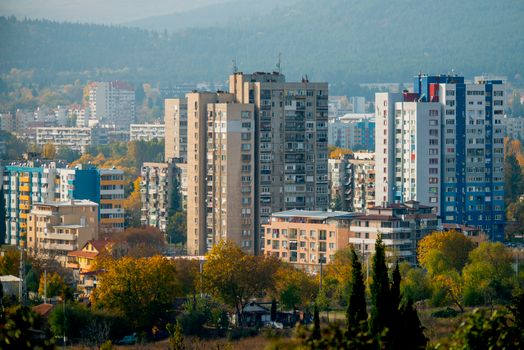
Finding the perfect home isn’t just about location, price, or amenities — for millions of pet owners around the world, it’s about whether their furry companions are welcome. In Bulgaria, a country where the love for animals is deeply rooted in tradition and daily life, the question of pet-friendliness in apartments is increasingly relevant. Whether you’re a local or an expat thinking about moving to Bulgaria with your pet, understanding how Bulgarian apartments accommodate (or restrict) pets is crucial. This article dives deep into how pet-friendly Bulgarian apartments are, explores current trends, legal frameworks, regional differences, and offers practical advice for pet-owning tenants.
The Landscape of Pet Ownership in Bulgaria
To understand how pet-friendly Bulgarian apartments are, it’s essential to look at pet ownership trends and cultural attitudes. According to 2023 data from the European Pet Food Industry Federation, approximately 33% of Bulgarian households own at least one pet, with dogs and cats being the most popular. Urban areas like Sofia, Plovdiv, and Varna have seen a steady increase in pet ownership, reflecting broader European trends where pets are considered part of the family.
Despite this, Bulgaria presents a patchwork of attitudes toward pets in rental housing. While some landlords embrace pet owners as responsible tenants, others remain hesitant due to concerns over property damage, noise, or allergies. The result is a market where pet-friendly options exist but are not yet the norm, especially in high-demand urban districts.
.png)
Pet Policies: Regulations and Rental Contracts
Unlike some Western European countries with clear, standardized rules regarding pets in rentals, Bulgaria’s legal framework is more ambiguous. There is no national law that specifically protects the right to keep pets in rented apartments. Instead, the decision is left to individual landlords and the stipulations in each rental contract.
Most standard Bulgarian rental agreements include a clause addressing pets. This might mean:
- Pets are strictly prohibited - Pets may be allowed with prior approval - Additional pet deposit or cleaning fee is required - No mention of pets at all (leaving room for negotiation)A 2022 survey by the Bulgarian Real Estate Association found that only 38% of landlords in Sofia explicitly allow pets, while 21% ban them outright. The remaining 41% consider requests on a case-by-case basis. In smaller cities and rural areas, there tends to be more flexibility, partly due to larger living spaces and a different cultural approach to animals.
Pet-Friendly Features in Bulgarian Apartments
For pet-owning tenants, an ideal apartment goes beyond simply allowing pets; it also provides practical features that make life easier for both humans and animals. In Bulgaria, some newer apartment complexes and renovated buildings are beginning to cater to this demand, with features such as:
- Durable flooring (easier to clean and resistant to scratches) - Private balconies or small gardens - Easy access to green spaces or parks - Soundproofing to minimize noise between units - On-site pet washing stations (still rare but emerging)However, these amenities are still relatively rare, especially outside the capital. According to a 2023 report by Imoti.net, only about 12% of newly built apartment complexes in Sofia advertise pet-friendly features or policies as part of their marketing.
Regional Differences: Cities vs. Countryside
Pet-friendliness in Bulgarian apartments can vary significantly depending on the region and the type of housing. In major cities like Sofia, Plovdiv, and Varna, space is at a premium, and landlords are more likely to impose restrictions due to concerns about property value and the proximity of neighbors.
Conversely, in smaller towns and rural areas, the culture tends to be more relaxed. Houses with yards or larger apartments are common, and pets are generally more accepted as part of daily life. In fact, in rural Bulgaria, it’s not unusual for rental properties to come with resident dogs, cats, or even chickens!
The table below provides a comparative overview of pet-friendliness in apartments across different Bulgarian regions:
| Region | % of Listings Allowing Pets (2023) | Common Pet Policies | Typical Amenities |
|---|---|---|---|
| Sofia (Capital) | 38% | Case-by-case, often with deposit | Balconies, near parks |
| Plovdiv | 42% | More flexible, especially outside center | Shared gardens, larger floorplans |
| Varna | 36% | Similar to Sofia, but more garden access | Courtyards, close to green spaces |
| Small Towns/Rural | 57% | Highly flexible, often no restrictions | Yards, gardens, outdoor space |
This data highlights that while city living can present more hurdles for pet owners, moving to a smaller town or village often opens up greater opportunities for pet-friendly housing.
Tips for Renting with Pets in Bulgaria
Success in securing a pet-friendly apartment in Bulgaria often depends on preparation and negotiation. Here are practical tips for pet-owning tenants:
- Be upfront: Always disclose your intention to keep a pet when inquiring about a property. Hiding a pet can lead to eviction or the loss of your deposit. - Offer references: Provide references from previous landlords vouching for your responsible pet ownership. - Suggest a pet deposit: Proactively offering an extra deposit or agreeing to pay for professional cleaning can reassure landlords. - Highlight training: Emphasize if your pet is well-trained or has completed obedience classes. - Look for ground-floor units: These are often more appealing to landlords concerned about noise or damage to shared spaces. - Search specialized platforms: Some Bulgarian property websites now feature filters for pet-friendly rentals, streamlining your search.Real-life example: Maria, a cat owner in Sofia, shared that she was able to secure her apartment by providing a “pet CV” for her cat, complete with vaccination records and photos, along with a higher deposit. Her landlord later commented that this transparency and preparation made all the difference.
The Future of Pet-friendly Living in Bulgaria
As Bulgaria’s urban population grows and the influence of Western European lifestyle trends increases, the demand for pet-friendly housing is expected to rise. According to a 2023 forecast by the Bulgarian Association of Real Estate Agencies, pet ownership will influence up to 25% of urban rental decisions within the next five years.
Developers and property managers are taking note. Several new developments in Sofia and Plovdiv are incorporating pet parks, grooming stations, and even pet-sitting services as selling points. At the same time, advocacy groups like “Animal Rescue Sofia” are campaigning for clearer legal protections for tenants with pets, hoping to bring Bulgaria in line with countries like Germany and France, where pet ownership rights are enshrined in law.
It’s reasonable to expect that, as competition in the rental market intensifies and the number of pet-owning tenants grows, landlords and developers will be more incentivized to adopt pet-friendly policies and amenities.
Key Takeaways: Are Bulgarian Apartments Truly Pet-friendly?
While there is no blanket answer, the landscape for pet owners in Bulgaria’s apartment market is improving, albeit gradually. Urban areas like Sofia still pose challenges due to space constraints and landlord hesitancy, but rural and suburban regions are generally much more accommodating. With rising pet ownership and changing attitudes, the future looks promising for animal lovers seeking their next Bulgarian home.
For now, success as a pet-owning tenant in Bulgaria depends on clear communication, flexibility, and a willingness to negotiate. As both tenant and landlord awareness grows, pet-friendly apartments are likely to become a more prominent feature of Bulgaria’s evolving real estate scene.