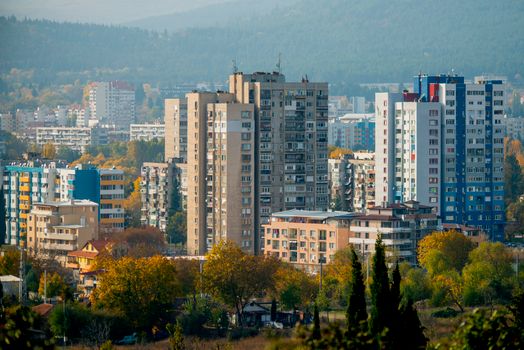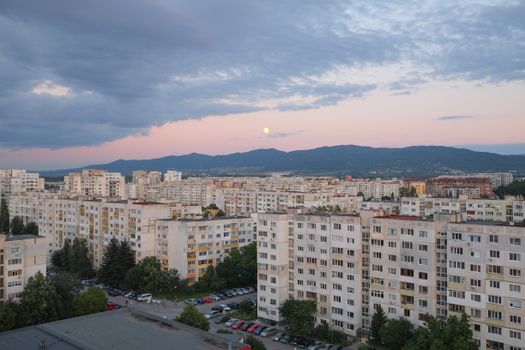
Owning property abroad is a dream for many, and Bulgaria stands out as a desirable destination for foreigners seeking to invest in apartments. With its scenic Black Sea coastline, vibrant cities, and attractive property prices, Bulgaria has become increasingly popular among international buyers. However, the process of purchasing and owning an apartment as a foreigner involves navigating a unique legal landscape. Understanding these legal aspects is crucial to ensure a smooth transaction and long-term peace of mind. In this article, we’ll explore the legal requirements, rights, restrictions, and practical considerations that shape apartment ownership for foreigners in Bulgaria, with clear explanations and up-to-date information.
Legal Framework for Foreigners Buying Apartments in Bulgaria
Bulgaria, as an EU member state since 2007, has gradually opened its real estate market to foreigners. The legal foundation governing property ownership is primarily the Bulgarian Constitution, the Ownership Act, and various property and tax-related laws. For foreigners, the most significant development came in 2012, when Bulgaria lifted most restrictions for EU citizens.
Here are the key legal considerations:
- $1 There is no nationality-based restriction on owning an apartment itself, regardless of whether you are an EU or non-EU citizen. - $1 If the apartment comes with land (such as a garden, parking space, or part of a building plot), non-EU foreigners cannot directly own the land. Instead, they can set up a Bulgarian company to hold the land title. - $1 Since Bulgaria’s EU accession, citizens of EU and EEA member states can acquire land, including the land beneath apartments, without needing to establish a company. - $1 Both local and foreign legal entities (companies) can purchase real estate in Bulgaria, which is commonly used by non-EU buyers to bypass land ownership restrictions.For those purchasing apartments in complexes or buildings where the land is held in common, the above rules still apply to their share of the land. Carefully reviewing property documentation with a local lawyer is essential to determine the exact legal status.
.png)
Step-by-Step Process: Apartment Purchase for Foreigners
Unlike some countries with lengthy bureaucratic hurdles, Bulgaria offers a relatively straightforward property purchase process. Still, understanding each step is vital to avoid costly mistakes. Here’s what the process typically involves:
1. $1 Once a price is agreed upon, both parties sign a preliminary contract outlining the payment schedule, property details, deadlines, and penalties for non-compliance. A deposit (usually 10% of the purchase price) is paid at this stage. 2. $1 The buyer’s lawyer investigates the property’s legal status—ownership, mortgages, encumbrances, unpaid taxes, and building permits. This process is critical for foreigners unfamiliar with local practices. 3. $1 The official transfer of ownership takes place at a public notary’s office. The notary verifies identities, legal status, and ensures all taxes and fees are settled. 4. $1 After signing, the notary registers the new owner with the Bulgarian Registry Agency (Imotna Registratsia), making the transaction public and legally binding. 5. $1 Buyers must pay transfer taxes (generally 2-3% of the purchase price), notary fees, and registration costs. Annual property taxes and garbage fees also apply post-purchase.It’s advisable for foreigners to hire a reputable English-speaking Bulgarian lawyer and, if necessary, a licensed translator. While the process can be completed in several weeks, thorough due diligence is essential for safeguarding your investment.
Comparing Rights: Foreign vs. Local Apartment Owners
Foreigners often wonder whether they will enjoy the same rights and obligations as Bulgarian citizens when owning an apartment. In practice, the rights are largely equivalent, with a few notable exceptions relating to land ownership for non-EU residents.
Below is a comparison of the rights and obligations for foreign and Bulgarian apartment owners:
| Aspect | Bulgarian Citizens | EU/EEA Foreigners | Non-EU Foreigners |
|---|---|---|---|
| Own apartment (building only) | Yes | Yes | Yes |
| Own land under apartment | Yes | Yes (since 2014) | No (must use company) |
| Register as owner | Yes | Yes | Yes |
| Sell or rent out property | Yes | Yes | Yes |
| Inheritance rights | Yes | Yes | Yes |
| Residency rights | Not needed | Not automatic | Not automatic |
As shown, the main difference is in land ownership for non-EU buyers. All owners, regardless of nationality, are subject to local tax laws, building regulations, and community rules.
Taxation and Ongoing Legal Responsibilities
Owning an apartment in Bulgaria comes with certain tax implications and responsibilities, which apply to both foreigners and locals. Here’s what you need to know:
- $1 Typically 2-3% of the purchase price, paid by the buyer at the time of transfer. - $1 Ranges from 0.01% to 0.45% of the tax value, depending on the municipality. For example, in Sofia, the annual tax for a €100,000 apartment is about €100-€150. - $1 Set by municipalities; varies by location and property size. - $1 If you rent out your apartment, rental income is taxed at a flat rate of 10%. - $1 If you sell the apartment, gains may be taxed at 10%, unless you have owned the property for more than three years (for one property) or five years (for multiple properties), in which case exemptions may apply.Foreigners must also comply with local building, zoning, and homeowners’ association rules. Failure to pay taxes or fees can result in fines or legal actions. It’s recommended to have a local accountant or property manager to handle ongoing obligations, especially for absentee owners.
Inheritance and Succession Laws for Foreign Owners
One of the most important legal aspects for foreign apartment owners is what happens to the property in the event of death. Bulgarian law allows foreigners to inherit and bequeath real estate, but the rules can be complex.
- $1 In most cases, Bulgarian inheritance law applies to property located in Bulgaria, regardless of the owner’s nationality. - $1 Foreigners can make Bulgarian wills for their Bulgarian property. If no will exists, the property is distributed according to Bulgarian intestate succession rules, prioritizing spouses and children. - $1 For EU citizens, the European Succession Regulation (Brussels IV) may allow the choice of Bulgarian law or the law of their home country for inheritance matters. - $1 If the apartment is owned via a company (common for non-EU citizens), inheritance is carried out through transfer of company shares.It is strongly recommended for foreign owners to seek legal advice and, if needed, prepare dual-language wills to avoid complications for heirs.
Potential Risks and How to Safeguard Your Investment
While buying an apartment in Bulgaria is generally safe, foreigners face unique risks due to unfamiliarity with the legal system, language barriers, and occasionally unclear property documentation. Some common risks include:
- $1 Some properties may have unresolved inheritance claims, mortgages, or unpaid taxes. - $1 Unauthorized construction or lack of proper permits can cause legal problems. - $1 There have been cases of forged documents or sellers without proper authority.To minimize risks:
- Always use a reputable, independent Bulgarian lawyer (not one recommended solely by the seller or agent). - Insist on full due diligence and title checks. - Consider title insurance. - Use official translation services if you do not speak Bulgarian. - Never pay large sums in cash or without a notarized agreement.According to the Bulgarian Registry Agency, there were over 22,000 property transactions involving foreign buyers in 2022, with less than 2% resulting in legal disputes—a testament to the generally secure environment, provided proper precautions are taken.
Key Takeaways on the Legal Aspects of Apartment Ownership in Bulgaria for Foreigners
Owning an apartment in Bulgaria as a foreigner is not only possible but relatively straightforward, especially for EU citizens. The main legal hurdles relate to land ownership for non-EU buyers and ensuring compliance with local regulations. With robust legal protections in place and clear procedures, Bulgaria offers an attractive property market for international investors.
However, it is essential for foreigners to understand the specific rules that apply to their nationality, seek expert legal advice, and conduct thorough due diligence before purchasing. By taking these steps, you can enjoy the benefits of Bulgarian apartment ownership with confidence.