Bulgarian apartments offer a fascinating journey through time, reflecting centuries of cultural evolution and the dynamic pulse of modern living. From rustic village dwellings steeped in folklore to sleek urban homes boasting the latest conveniences, the styles of Bulgarian apartments reveal much about the country’s heritage and aspirations. For anyone considering a move to Bulgaria, investing in property, or simply interested in interior design, understanding the contrast between traditional and modern Bulgarian apartment styles is both enlightening and practical.
This in-depth exploration highlights defining features, historical context, design philosophies, and the unique living experiences offered by each style. Whether you’re looking for authenticity, innovation, or a harmonious blend of both, the Bulgarian apartment landscape has something to offer.
Historical Roots: The Essence of Traditional Bulgarian Apartments
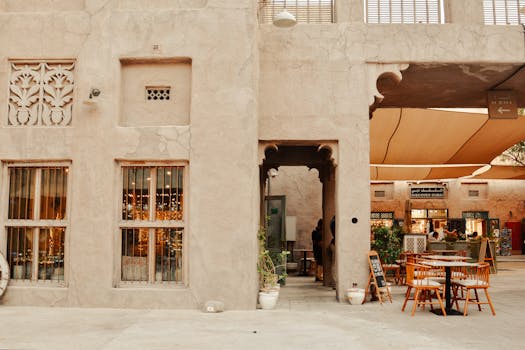
Traditional Bulgarian apartments draw inspiration from the country’s rural past and the architectural trends of the 18th and 19th centuries. These homes are often found in historic towns like Plovdiv, Veliko Tarnovo, and the mountainous regions of Rhodope and Pirin.
.png)
Key features include:
- $1 Expect abundant use of wood, stone, and clay, both structurally and in décor. Wooden ceilings with hand-carved beams, stone fireplaces, and terracotta-tiled floors are common. - $1 Traditional apartments showcase intricate woodwork, hand-woven rugs known as “kilimi,” and embroidered linens, reflecting Bulgaria’s rich folk artistry. - $1 Floor plans are usually compartmentalized, with cozy, smaller rooms designed for warmth and privacy. Central fireplaces (locally called "jamal") serve as gathering points during cold winters. - $1 Earthy tones, deep reds, and muted greens dominate, often with geometric or floral motifs rooted in local traditions.These apartments often evoke a sense of nostalgia, connecting residents to Bulgaria’s agrarian roots and Orthodox Christian heritage. In the 21st century, many traditional apartments have been preserved or sympathetically renovated, particularly in old town districts and UNESCO-listed sites.
Modern Bulgarian Apartments: Embracing Contemporary Living
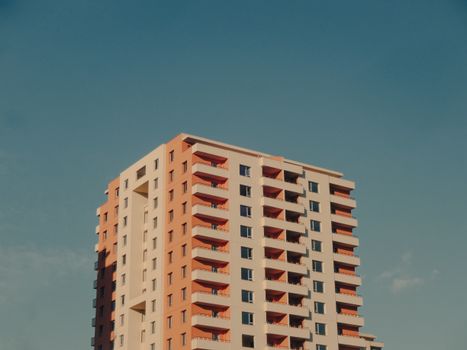
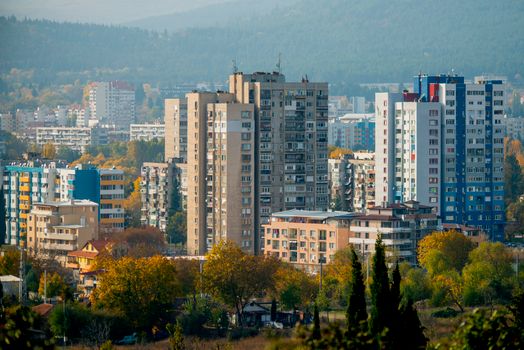
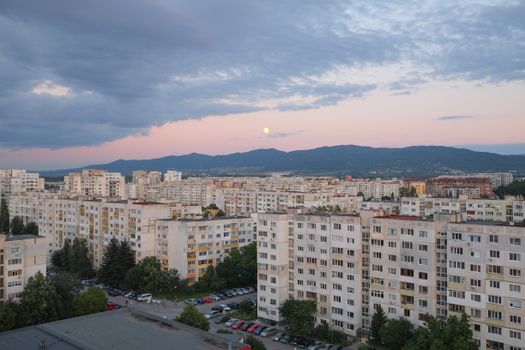
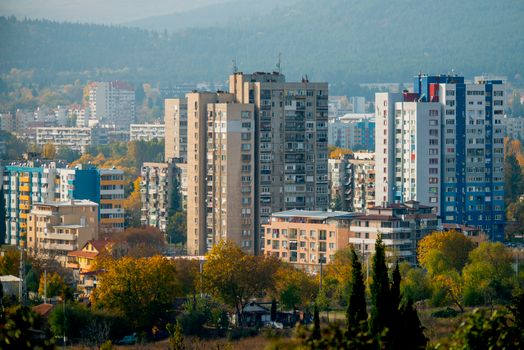
As Bulgaria’s cities have transformed since the 1990s, so too have its apartment styles. Modern Bulgarian apartments, especially in Sofia, Varna, and Plovdiv, combine international influences with local flair, catering to changing lifestyles and global design trends.
Defining characteristics include:
- $1 Unlike traditional layouts, modern apartments favor open kitchens, living, and dining areas. This approach maximizes natural light and creates a sense of spaciousness, even in compact city flats. - $1 Clean lines, neutral palettes, and uncluttered décor dominate. Furniture is often modular, and storage solutions are cleverly integrated to optimize space. - $1 Glass, metal, and engineered wood are popular, alongside energy-efficient windows and contemporary lighting fixtures. - $1 Modern apartments are more likely to include high-speed internet, automated climate control, and security systems. According to the National Statistical Institute, over 45% of newly built apartments in Sofia in 2023 included smart home technology. - $1 Sustainability is increasingly important, with many new buildings incorporating solar panels, insulation standards, and green spaces.This modern approach reflects Bulgaria’s growing middle class, cosmopolitan outlook, and the desire for comfort, efficiency, and style.
Comparing Traditional and Modern Bulgarian Apartment Styles
To better visualize the differences and similarities between these two styles, the following table provides a concise comparison:
| Feature | Traditional Bulgarian Apartment | Modern Bulgarian Apartment |
|---|---|---|
| Materials | Wood, stone, clay, terracotta | Glass, metal, engineered wood |
| Layout | Compartmentalized rooms, central fireplace | Open-plan, integrated kitchen/living areas |
| Design Aesthetics | Folk motifs, earthy tones, handcrafted décor | Minimalist, neutral colors, modular furniture |
| Technology | Traditional heating, limited modern amenities | Smart home systems, high-speed internet |
| Eco-Friendliness | Natural insulation, thick walls | Energy-efficient materials, solar panels |
| Location | Historic districts, rural towns | Urban centers, new developments |
| Price Range (2024, avg./sqm) | €800–€1,100 | €1,500–€2,500 |
As the table illustrates, the choice between traditional and modern apartments in Bulgaria often comes down to a balance between heritage and innovation, as well as personal lifestyle needs.
Renovation and Restoration: Breathing New Life into Old Spaces
A growing trend in Bulgaria is the renovation of traditional apartments to meet modern standards without sacrificing historical character. In cities like Plovdiv, nearly 30% of apartments in the Old Town have undergone restoration in the past decade, according to local real estate agencies.
Renovations typically focus on:
- $1 Upgrading foundations, roofs, and walls to comply with seismic and safety codes. - $1 Installing central heating, plumbing, and electrical systems that meet current efficiency standards. - $1 Retaining original features like wooden beams or stone walls while introducing modern kitchens, bathrooms, and living spaces.Such projects can increase property values by 20-30% compared to unrestored historic apartments, making them an attractive option for investors and homeowners seeking unique, character-filled residences.
Cultural Identity and Personal Expression in Apartment Design
Whether traditional or modern, Bulgarian apartments often serve as canvases for personal expression and cultural identity. Many homeowners, especially younger generations, blend styles—incorporating family heirlooms, folk art, or antique furniture into minimalist spaces, or adding contemporary comforts to historic homes.
Examples include:
- $1 A 2022 survey by the Bulgarian Chamber of Architects found that 39% of new apartment buyers in Sofia requested design modifications that incorporated traditional elements such as hand-painted tiles or carved woodwork. - $1 Local craftspeople are often commissioned for custom furnishings, helping preserve traditional techniques and support regional economies. - $1 Traditional apartments may prioritize thick walls and small windows for winter warmth, while modern homes use large windows and balconies to maximize sunlight and ventilation—an important consideration given Bulgaria’s four distinct seasons.This fusion of past and present creates apartments that are not only functional but deeply personal and meaningful.
Which Style Suits Your Needs? Lifestyle, Budget, and Investment Considerations
Choosing between a traditional and a modern Bulgarian apartment depends on several factors:
- $1 Are you seeking the charm and tranquility of a historic neighborhood, or the convenience and amenities of a city center? Traditional apartments often appeal to those valuing authenticity and craftsmanship, while modern homes cater to fast-paced urban lifestyles. - $1 Modern apartments in central Sofia or Varna command premium prices, sometimes exceeding €2,500 per square meter in 2024. In contrast, traditional apartments, especially those requiring renovation, can be significantly more affordable—a potential advantage for buyers willing to invest in upgrades. - $1 Both styles can offer strong returns. Restored historic apartments in tourist hotspots are in high demand for short-term rentals, while modern units attract long-term tenants seeking comfort and security. - $1 Note that restoring listed historic properties may involve additional permits and oversight from cultural heritage authorities, potentially increasing renovation timelines and costs.Ultimately, the best choice aligns with your personal values, practical needs, and long-term goals.
The Dynamic Future of Bulgarian Apartment Styles
The contrast between traditional and modern Bulgarian apartment styles is likely to persist—and evolve—in the coming years. Urban revitalization projects, government incentives for heritage preservation, and Bulgaria’s growing popularity among international buyers are all shaping the apartment market.
According to the National Real Estate Association, demand for both fully modern and sympathetically restored traditional apartments is expected to rise by at least 8% in 2024, reflecting a broader trend toward valuing both innovation and authenticity.
For anyone navigating the Bulgarian property landscape, understanding these styles is more than an aesthetic exercise—it’s a way to connect with the country’s history, culture, and vibrant future.