The architectural landscape of Bulgaria has undergone significant transformations over the years, particularly in the realm of apartment buildings. From the pre-communist era through to the modern day, the evolution of these structures tells a story of political, economic, and social changes, reflecting the broader historical context of the country.
In the early 20th century, Bulgaria's urban architecture was heavily influenced by European styles. Cities like Sofia, Plovdiv, and Varna began to embrace Art Nouveau and later, Modernist movements. The apartment buildings from this period were characterized by ornate facades, high ceilings, and large windows, designed to offer comfort and aesthetic appeal to the burgeoning middle class.
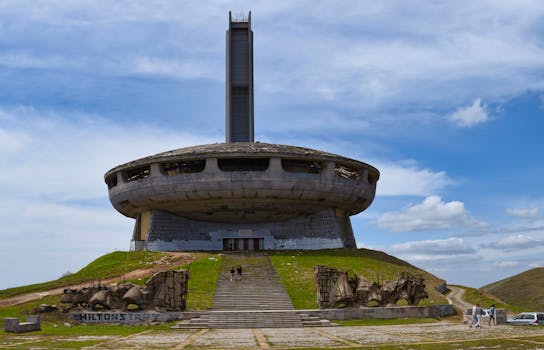
However, the post-World War II era brought drastic changes with the advent of communist rule. The focus shifted from individualistic and ornate designs to utilitarian and functional structures. The government implemented large-scale housing projects to accommodate the rapid urbanization and the housing shortage. During this time, the typical Bulgarian apartment building, known as 'panelki', emerged. These were prefabricated buildings made from large concrete panels. They were quick to construct, cost-effective, and starkly minimalist in design. Despite their practicality, these buildings were often criticized for their monotonous appearance and poor living conditions.
.png)
The fall of communism in 1989 marked another significant turn in the architectural style and quality of Bulgarian apartment buildings. The transition to a market economy opened up the real estate market to private developers. This period saw a diversification in architectural styles and a noticeable improvement in construction quality. Modern apartment buildings started to incorporate features such as underground parking, elevators, and enhanced security, catering to the demands of a more affluent society.
In recent years, there has been a growing emphasis on sustainability and energy efficiency in Bulgarian residential architecture. New apartment complexes now often include green spaces, energy-efficient appliances, and materials that reduce the carbon footprint. Additionally, there is a trend towards the revitalization of older apartment buildings, where retrofitting with modern amenities and energy solutions is becoming common.
The evolution of apartment buildings in Bulgaria reflects not only changes in architectural styles and technology but also shifts in societal values and economic conditions. Today, these buildings are not just places to live; they are a testament to the country's resilience and adaptability through times of change. As Bulgaria continues to develop, its urban landscape remains a dynamic and evolving canvas, mirroring the nation's ongoing journey towards modernization and sustainability.