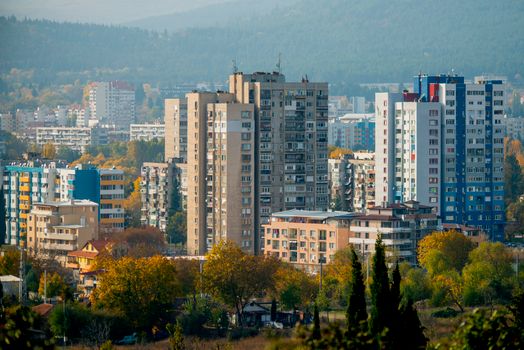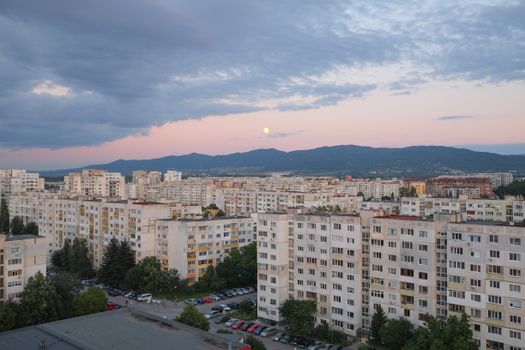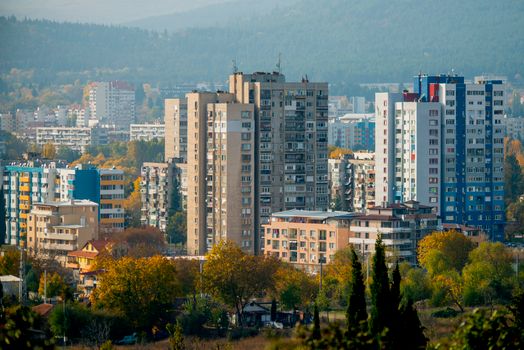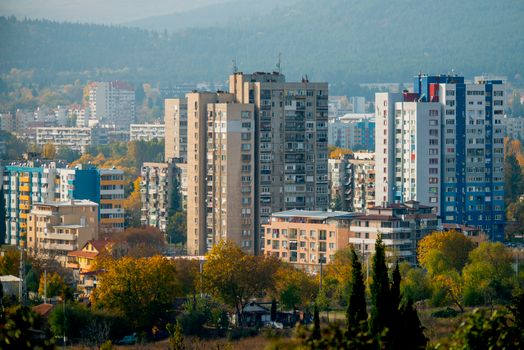
Buying an apartment in Bulgaria as a foreigner is an exciting venture, opening the door to one of Europe’s most affordable and picturesque destinations. Whether you’re drawn by the Black Sea coast, vibrant cities like Sofia and Plovdiv, or Bulgaria’s growing economy, understanding the process is key to a smooth transaction. Bulgaria is known for its straightforward property laws for foreigners, but there are unique steps, legal requirements, and practical considerations that can catch buyers off guard. This article will guide you through the entire process of buying an apartment in Bulgaria as a foreigner, from legal eligibility to final registration, while highlighting the nuances many overlook.
Understanding Eligibility: Can Foreigners Buy Apartments in Bulgaria?
Before diving into the process, it’s crucial to clarify a common concern: are foreigners allowed to buy apartments in Bulgaria? The short answer is yes, with some restrictions.
Since Bulgaria joined the European Union in 2007, EU citizens can buy apartments (and other properties) in their own name, just like Bulgarian citizens. However, the situation differs slightly for non-EU nationals:
.png) - $1 Foreigners of any nationality can purchase apartments that do not include ownership of land, such as most flats in residential buildings.
- $1 If the apartment includes a share of land (e.g., in some small buildings or maisonettes), non-EU buyers typically need to set up a Bulgarian company to acquire the property. This is due to restrictions on land ownership for non-EU citizens, as per the Bulgarian Constitution and Land Act.
- $1 Most transactions are freehold, granting full ownership, but it’s important to confirm this with your agent or lawyer.
- $1 Foreigners of any nationality can purchase apartments that do not include ownership of land, such as most flats in residential buildings.
- $1 If the apartment includes a share of land (e.g., in some small buildings or maisonettes), non-EU buyers typically need to set up a Bulgarian company to acquire the property. This is due to restrictions on land ownership for non-EU citizens, as per the Bulgarian Constitution and Land Act.
- $1 Most transactions are freehold, granting full ownership, but it’s important to confirm this with your agent or lawyer.
According to the Bulgarian Registry Agency, over 12,000 property transactions involving foreign buyers were registered in 2023, with the majority being EU citizens.
Step-by-Step Process: From Search to Registration
The process of buying an apartment in Bulgaria as a foreigner generally unfolds in a series of clear steps. Each phase involves specific documents, legal checks, and financial arrangements. Here’s a detailed breakdown:
1. $1 - Start by researching the market through reputable agencies, property portals, or local contacts. Popular cities for foreign buyers include Sofia, Varna, Burgas, and Plovdiv. - Conduct due diligence on the property: confirm ownership, check for encumbrances (such as mortgages or debts), and ensure the property is properly registered. 2. $1 - Once you’ve selected an apartment, a preliminary (pre-sale) contract is signed. This typically requires a deposit, often 10% of the purchase price. - The agreement outlines the main terms: price, payment schedule, completion date, and obligations of both parties. 3. $1 - Engage a Bulgarian lawyer to review all documents, including the property’s title deed (Notarial Act), cadastral entries, and any building permits or occupancy certificates. - Foreign buyers must obtain a Bulgarian Personal Number (EGN or BULSTAT), used for legal and tax purposes. 4. $1 - The final contract, known as the Notarial Deed, is signed in the presence of a Bulgarian notary public. Both buyer and seller must attend (or be represented by a legal proxy). - The notary verifies all documentation, witnesses the transaction, and ensures payment is completed. 5. $1 - The notary registers the new ownership with the Bulgarian Registry Agency within 7 days. - The new owner receives a certified copy of the Notarial Deed as proof of ownership. 6. $1 - Register the apartment with the local tax office and utility companies. - Complete any necessary declarations (e.g., for property tax purposes).This process can usually be completed within 4 to 6 weeks, depending on the complexity of the transaction and the responsiveness of local authorities.
Legal and Financial Considerations for Foreign Buyers
While the overall process is straightforward, there are legal and financial nuances that are especially relevant for foreigners:
- $1 Bulgarian law does not require buyers to have legal representation, but it is strongly recommended. Legal fees typically range from €500 to €1,500, depending on complexity. - $1 Buyers are responsible for several costs: - Notary fees: 0.1% to 1.5% of the purchase price (capped at around €3,000). - Local property tax: 0.1% to 3% of the price, set by the municipality. - Registration fee: approx. 0.1% of the price. - Agency fees: usually 3% of the purchase price, payable by the buyer. - $1 Bulgarian banks offer mortgages to foreigners, but terms are stricter than for residents. Typically, expect a 20-30% down payment and interest rates between 3% and 6% (as of 2024). - $1 Most property transactions are negotiated in euros, even though the official currency is the Bulgarian lev (BGN). The BGN is pegged to the euro at a fixed rate of 1.95583.Comparing the Process: EU vs. Non-EU Buyers
The steps for buying an apartment in Bulgaria are similar for all foreigners, but there are important distinctions between EU and non-EU buyers, particularly regarding land ownership and company formation.
| Step | EU Citizens | Non-EU Citizens |
|---|---|---|
| Buy apartment without land | Allowed in own name | Allowed in own name |
| Buy apartment with land share | Allowed in own name | Must set up Bulgarian company |
| Set up Bulgarian company | Not required | Required for land purchase |
| Access to local financing | More options, easier approval | Stricter requirements, higher deposit |
| Long-term residency via property purchase | Possible with certain investment levels | Possible, but stricter terms |
In 2023, over 80% of foreign buyers in Sofia were EU citizens, but interest from UK, Russian, and Middle Eastern buyers remains substantial.
Common Pitfalls and How to Avoid Them
Even though Bulgaria’s property market is accessible, foreigners can encounter pitfalls if they’re not careful. Here are some of the most common mistakes and how to sidestep them:
- $1 Always confirm the property is registered in the seller's name and free of encumbrances. The Bulgarian Registry Agency provides online access to property records. - $1 Outstanding bills for utilities, maintenance fees, or municipal taxes can transfer to the new owner. Ask for proof of payment before completion. - $1 Ensure all renovations or extensions have proper permits. Illegal construction may result in fines or demolition. - $1 Some buyers underestimate the total transaction costs, which can add 4-6% to the purchase price. - $1 All contracts and official documents are in Bulgarian. Hire a qualified translator or bilingual lawyer to avoid misunderstandings.A 2022 survey by the Bulgarian Chamber of Notaries found that 17% of foreign buyers faced issues due to incomplete documentation or unregistered property changes.
Essential Tips for a Smooth Purchase Experience
To ensure your apartment purchase in Bulgaria goes smoothly, consider the following practical tips:
- $1 Check credentials and reviews. The Bulgarian Real Estate Association (NSNI) and the Bulgarian Bar Association provide lists of licensed professionals. - $1 If possible, inspect the apartment and neighborhood to avoid surprises. - $1 Many apartments, especially in complexes or resorts, have monthly maintenance or ‘support’ fees. These can range from €5 to €50 per month. - $1 Besides the purchase price, budget for annual property tax (typically €50-€200 for an average apartment) and insurance. - $1 Foreign buyers have the same property ownership rights as Bulgarians once the purchase is complete.Final Insights on Buying an Apartment in Bulgaria as a Foreigner
Bulgaria’s property market is open, affordable, and increasingly attractive to international buyers. The process for buying an apartment is relatively simple, especially compared to other European countries, but it’s essential to be aware of the legal, financial, and practical details. By following the proper steps, engaging qualified professionals, and doing thorough due diligence, foreigners can confidently secure their dream home or investment in Bulgaria.
Whether you’re seeking a vacation retreat, a retirement base, or an investment property, understanding the unique aspects of buying an apartment as a foreigner in Bulgaria will help you make informed decisions and avoid common pitfalls. With over 12,000 foreign buyers entering the market each year, Bulgaria’s real estate sector is more international than ever.