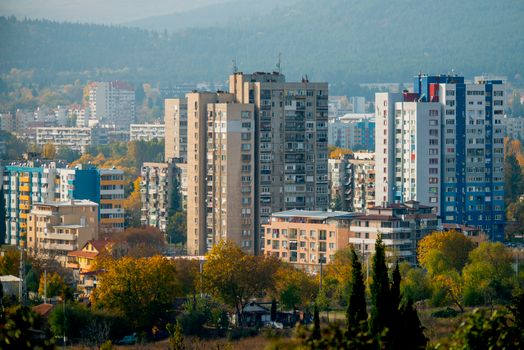
Renting out an apartment in Bulgaria can be a lucrative and rewarding venture, but it also comes with its own set of legal, financial, and practical considerations. As the country continues to attract both local and international tenants, property owners must navigate a landscape of regulations, market trends, and tenant expectations to ensure a smooth rental experience. Whether you are a new landlord or looking to optimize your rental process, understanding the intricacies of renting out an apartment in Bulgaria is essential for protecting your investment and maximizing returns.
Understanding Bulgarian Rental Laws and Regulations
Before listing your apartment for rent, it’s crucial to familiarize yourself with Bulgaria’s legal framework for residential leases. The primary legislation governing rental agreements is the Obligations and Contracts Act. This law sets out the minimum terms that must be included in a rental contract, the rights and responsibilities of both parties, and the procedures for dispute resolution.
Key legal requirements include:
- All rental agreements must be in writing. - Contracts should specify the rental amount, payment method, term of the lease, and notice periods for termination. - Landlords must declare rental income to the National Revenue Agency (NRA) and pay the appropriate taxes. - Security deposits are common, usually equivalent to one month’s rent.It is also important to note that Bulgaria does not have strict rent control; rents are negotiated freely between landlords and tenants. However, eviction procedures are regulated. For example, if a tenant fails to pay rent, the landlord must follow due process, which typically takes two to four months through the courts.
.png)
Preparing Your Apartment for Rent: Standards and Requirements
The success of your rental largely depends on the condition and appeal of your apartment. The Bulgarian rental market has become increasingly competitive, especially in major cities like Sofia, Plovdiv, and Varna, where tenants expect modern amenities and good maintenance.
Key steps for preparing your apartment include:
- Ensure all utilities (electricity, water, heating) are fully functional and up to date. - Address any maintenance issues, such as faulty plumbing or broken appliances. - Consider furnishing the apartment, as furnished rentals can command higher rents—up to 20-30% more in urban areas. - Provide necessary certificates, such as an energy efficiency certificate, which is required for all properties sold or rented after 2015. - Install safety features like smoke detectors and secure locks, which are increasingly expected by tenants.A 2022 survey by the Bulgarian Association of Real Estate Agencies found that 68% of tenants preferred renting apartments that were fully furnished and equipped with modern appliances, while 54% cited internet connectivity as a must-have amenity.
Setting the Right Rental Price: Market Insights and Trends
Determining the optimal rental price is both an art and a science. Setting the rent too high can lead to long vacancy periods, while pricing it too low may result in lost income. Understanding the local rental market is key.
According to the National Statistical Institute (NSI), the average monthly rent for a one-bedroom apartment in Sofia in 2023 was €400, while in Plovdiv it was €270, and in Varna €320. Prices can vary significantly based on location, apartment size, and amenities.
Below is a comparative overview of average apartment rents in major Bulgarian cities (2023):
| City | 1-Bedroom Apartment (€ / month) | 2-Bedroom Apartment (€ / month) |
|---|---|---|
| Sofia | 400 | 600 |
| Plovdiv | 270 | 410 |
| Varna | 320 | 470 |
| Burgas | 250 | 390 |
When setting your rental price, consider current demand, proximity to amenities (public transport, schools, shopping centers), and the overall condition of your apartment. Online platforms like Imot.bg and Bazar.bg can provide real-time data on comparable listings in your area.
Finding and Screening the Right Tenants
Attracting reliable tenants is critical for minimizing risks such as late payments or property damage. Effective tenant screening involves several key steps:
1. Advertise strategically: Use popular Bulgarian property portals, local Facebook groups, and real estate agencies to reach a wide audience. Include high-quality photos and detailed descriptions in your listing. 2. Conduct interviews: Meet prospective tenants in person or virtually to gauge their suitability. Ask about their employment status, reason for moving, and rental history. 3. Request documentation: Common practice includes asking for proof of income, references from previous landlords, and a copy of a national ID or passport. 4. Run background checks: While not mandatory, some landlords choose to verify credit history or check for any history of legal disputes. This is more common in Sofia and other large cities.According to a 2021 report by the Bulgarian National Association of Property Owners, landlords who implemented thorough tenant screening saw a 35% reduction in disputes and late payments compared to those who did not.
Drafting a Comprehensive Rental Agreement
A clear and detailed rental agreement is your best protection against misunderstandings. The standard lease agreement in Bulgaria should include:
- Full details of both parties (names, addresses, ID numbers) - Description of the property (address, size, furnishings, inventory list) - Rent amount, payment schedule, and method - Security deposit terms and conditions for its return - Duration of the lease and renewal terms (fixed-term or open-ended) - Responsibilities for utilities and maintenance - Procedures for giving notice and terminating the lease - Rules regarding pets, subletting, and alterations to the propertyIt is advisable to have the agreement reviewed by a legal professional familiar with Bulgarian property law. Most rental contracts are signed for a minimum of one year, but shorter terms are possible, especially in tourist hotspots.
Managing Taxation and Legal Obligations as a Landlord
One of the most important aspects of renting out your apartment in Bulgaria is understanding your tax and legal obligations. Rental income is subject to a flat 10% personal income tax. Landlords are required to declare rental income annually to the National Revenue Agency (NRA), typically by April 30th for the previous calendar year.
If you are a non-resident landlord, you are still liable for tax on income derived from Bulgarian properties. Failure to declare rental income can result in fines of up to 500 BGN (approximately €255) for first-time offenders.
Additional legal obligations include:
- Issuing a rent receipt (if requested by the tenant) - Registering foreign tenants with the local police within 5 days of their arrival (mandatory for non-EU nationals) - Ensuring compliance with local building and safety codesMany landlords choose to work with property management companies, which typically charge 8-12% of the monthly rent, to handle day-to-day operations, tenant communication, and legal compliance.
Optimizing Your Rental Investment in Bulgaria
Beyond the basics, there are several ways to enhance your rental income and tenant satisfaction:
- Offer flexible lease terms to attract a wider range of tenants, including expatriates and digital nomads. - Invest in energy-efficient appliances and insulation, which can increase appeal and reduce utility costs for tenants. - Consider short-term rentals during peak tourist seasons if local regulations allow, as these can yield higher returns—up to 30% more compared to long-term leases in popular destinations like Sunny Beach and Bansko. - Regularly review and adjust the rent to reflect market conditions.Remember, building a good relationship with your tenants can lead to longer tenancies, fewer vacancies, and positive word-of-mouth recommendations.
Final Thoughts on Successfully Renting Out Your Apartment in Bulgaria
Renting out an apartment in Bulgaria can be a profitable venture if approached with careful planning and adherence to local laws and best practices. By understanding your legal obligations, preparing your property to meet market standards, pricing it competitively, and managing your landlord responsibilities effectively, you can maximize your income while minimizing risks. Whether you choose to manage the process yourself or work with professionals, staying informed and proactive is the key to long-term success in the Bulgarian rental market.