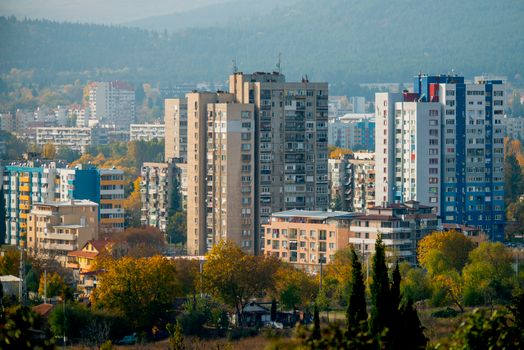
Residential construction in Bulgaria is undergoing a quiet revolution. Driven by both environmental concerns and consumer demand, builders and homebuyers alike are increasingly focused on sustainable, earth-friendly building practices. But what exactly does "ecological" construction mean in the Bulgarian context? And which trends are shaping the future of housing here? This article explores the latest ecological trends in residential construction in Bulgaria, highlighting key practices, materials, policies, and challenges unique to the country.
The Rise of Eco-Friendly Construction in Bulgaria: Drivers and Context
Bulgaria has long been known for its picturesque landscapes, from the Black Sea coast to the green Rhodope Mountains. However, like much of Europe, the country faces challenges related to urbanization, energy consumption, and climate change. According to Eurostat, buildings account for approximately 36% of the EU’s CO₂ emissions and 40% of its energy consumption. Bulgaria’s residential sector is no exception, with older apartment blocks and houses often suffering from poor insulation and inefficient heating.
Several factors have accelerated the adoption of ecological construction trends in Bulgaria:
.png) - $1: As an EU member, Bulgaria is required to comply with directives such as the Energy Performance of Buildings Directive (EPBD). This mandates higher energy efficiency standards for new constructions and renovations.
- $1: A 2022 survey by the Bulgarian Green Building Council reported that 64% of homebuyers in Sofia would pay more for environmentally friendly properties.
- $1: Various EU and national funding programs support energy efficiency upgrades and green building initiatives.
- $1: As an EU member, Bulgaria is required to comply with directives such as the Energy Performance of Buildings Directive (EPBD). This mandates higher energy efficiency standards for new constructions and renovations.
- $1: A 2022 survey by the Bulgarian Green Building Council reported that 64% of homebuyers in Sofia would pay more for environmentally friendly properties.
- $1: Various EU and national funding programs support energy efficiency upgrades and green building initiatives.
These drivers are shaping a new era in Bulgarian homebuilding—one that prioritizes sustainability alongside comfort and affordability.
Energy Efficiency: Insulation, Windows, and Passive Design
Energy efficiency is at the heart of ecological construction in Bulgaria. With cold winters and hot summers, energy use for heating and cooling is a major concern for homeowners, especially in large apartment complexes built during the socialist era.
$1
- $1: Builders increasingly use mineral wool, expanded polystyrene (EPS), and natural materials like cork to insulate walls, roofs, and floors. Upgrading insulation can reduce heating costs by up to 30%. - $1: Compared to traditional double-glazed windows, triple glazing reduces heat loss by around 50%, according to a 2023 study by the Technical University of Sofia. This trend is especially prominent in new residential projects in Sofia and Plovdiv. - $1: Modern homes are often orientated to maximize natural sunlight in winter while minimizing overheating in summer through strategic shading and window placement.$1: These solutions not only lower energy bills but also reduce Bulgaria’s reliance on fossil fuels, contributing to national and EU-wide climate goals.
Green Materials: Sustainable Choices for Bulgarian Homes
Material choice is another area of rapid change. Traditional Bulgarian construction relied heavily on concrete and brick. While these materials remain common, there is a growing shift toward eco-friendly alternatives.
$1
- $1: The use of certified Bulgarian wood is on the rise, particularly for single-family homes and eco-lodges. Wood is a renewable resource and stores carbon, making it a climate-friendly building option. - $1: Some innovative developers are incorporating recycled bricks, reclaimed wood, and even repurposed steel into new builds, reducing the demand for virgin materials. - $1: Lime and clay plasters, along with low-VOC (volatile organic compound) paints, improve indoor air quality and are healthier for occupants.According to the Bulgarian Chamber of Commerce and Industry, the market for green building materials in Bulgaria grew by an estimated 15% in 2023, a trend expected to continue as regulations tighten and consumer preferences evolve.
Renewable Energy Integration: Solar, Heat Pumps, and Beyond
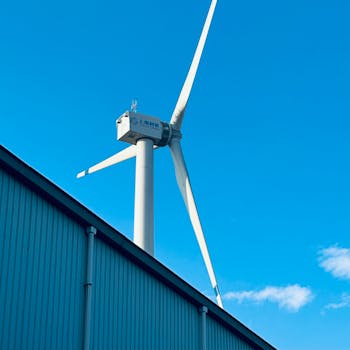
One of the most significant ecological trends in Bulgarian residential construction is the integration of renewable energy systems. While still less common than in Western Europe, adoption rates are climbing rapidly.
$1
- $1: Thanks to Bulgaria’s sunny climate, rooftop solar is a practical solution for both single-family homes and multi-unit buildings. In 2022, new residential solar installations exceeded 20 MW, up 30% from the previous year. - $1: Used for decades in Bulgarian beach towns, solar water heaters are now being installed more widely, including in urban developments. - $1: These systems extract heat from outside air, providing efficient heating and cooling. Their adoption rose by 18% in 2023, according to the Association of Bulgarian Energy Agencies. - $1: Home automation systems that monitor and optimize energy use are becoming a selling point for new eco-friendly apartments.The following table compares common renewable energy solutions in Bulgarian residential construction:
| Technology | Typical Use | Estimated Cost (EUR) | Annual Savings (%) | Popularity (2023) |
|---|---|---|---|---|
| Solar PV Panels | Electricity generation | 5,000-8,000 | 30-50 | High in new builds |
| Solar Water Heaters | Hot water | 1,200-2,500 | 30-40 | Growing |
| Air Source Heat Pumps | Heating/Cooling | 3,000-7,000 | 25-35 | Moderate |
| Smart Energy Management | Monitoring/Control | 500-2,000 | 10-15 | Rising |
Water Conservation and Green Infrastructure
Water efficiency is another emerging focus in Bulgaria’s ecological building sector, especially as climate change brings more frequent droughts and unpredictable rainfall.
$1
- $1: Collecting rainwater for irrigation or toilet flushing is being trialed in several new Sofia developments. - $1: Faucets, showerheads, and toilets with lower water consumption are becoming standard in eco-certified homes. - $1: These features absorb rainwater, reduce urban heat, and provide habitat for pollinators. Several apartment complexes in Plovdiv and Varna have introduced rooftop gardens since 2021.Though still less common than energy upgrades, these features are gaining traction, particularly in higher-end developments and pilot projects supported by EU funding.
Certification, Policy, and the Role of the Bulgarian Green Building Council
A key driver of ecological trends in Bulgaria is the adoption of green building certifications and standards. These provide clear frameworks for sustainable design, construction, and operation.
- $1: While more common in commercial real estate, these international standards are starting to appear in the residential sector, especially in Sofia. - $1: The Bulgarian government has set a target to renovate 60% of all residential buildings to near-zero energy standards by 2050, in line with EU goals. - $1: This organization actively promotes green building standards, provides training, and recognizes outstanding projects. In 2023, they reported a 25% increase in certified green residential projects compared to 2021.Government-backed incentive schemes, such as partial subsidies for insulation and renewable energy installations, have made ecological upgrades more accessible, although funding limitations remain a challenge.
Barriers and Opportunities: What’s Next for Ecological Construction in Bulgaria?
Despite impressive progress, ecological residential construction in Bulgaria faces several hurdles:
- $1: Although long-term savings are significant, the upfront cost of green materials and systems remains a barrier for many buyers. - $1: There is a shortage of construction professionals trained in advanced ecological techniques and materials. - $1: Retrofits of older buildings are often more complex and expensive than new construction.However, the opportunities are substantial. As EU funding continues and consumer awareness grows, the market for eco-friendly homes is expected to expand rapidly. The trend toward sustainability is also spurring innovation among Bulgarian architects and developers, leading to unique and locally adapted solutions.
Final Thoughts on Bulgaria’s Ecological Residential Construction Trends
The ecological transformation of Bulgaria’s residential construction sector is well under way. From high-performance insulation and renewable energy systems to green roofs and responsible sourcing of materials, the trends described above are reshaping how Bulgarians build and live. While challenges remain—especially regarding affordability and skilled labor—the direction is clear: sustainability is no longer a niche concern but a central pillar of the country’s housing future. As policies tighten and technology advances, Bulgaria’s homes are poised to become greener, healthier, and more resilient for generations to come.