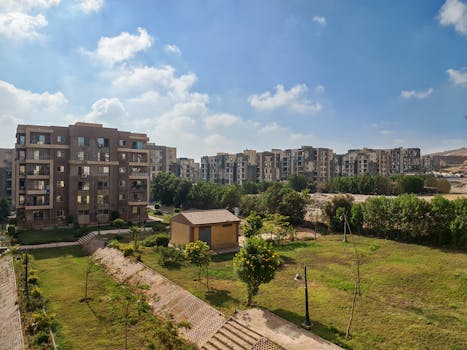
Bulgaria is experiencing a significant shift towards sustainable practices in the construction and management of apartment buildings, reflecting a broader global trend of environmental responsibility. This shift is not only altering the physical landscape but also influencing residents' perceptions of their living spaces.
Key Features of Sustainable Apartment Buildings in Bulgaria
- Energy-Efficient Materials:
Developers are increasingly using materials that improve energy efficiency, such as high-quality insulation and triple-glazed windows. These materials help reduce the energy consumption of buildings, thereby decreasing their environmental impact.
.png)
- Sustainable Systems:
Many modern apartment buildings incorporate solar panels, rainwater harvesting systems, and energy-efficient lighting solutions. These features not only conserve resources but also offer economic benefits by lowering utility bills for residents.
- Design and Layout:
Architects are focusing on designs that maximize natural light and promote better air circulation. This approach reduces the reliance on artificial lighting and air conditioning, enhancing the living environment and resident health.
- Green Spaces:
The integration of green spaces, such as rooftop gardens, vertical gardens, and landscaped terraces, is becoming more prevalent. These areas not only enhance air quality but also provide essential outdoor spaces in urban settings, contributing to the well-being of residents.
- Eco-Friendly Amenities:
Facilities like electric vehicle charging stations, bike storage, and car-sharing services are increasingly common in new developments. These amenities support sustainable lifestyle choices and encourage residents to reduce their reliance on private vehicles.
Role of Government and NGOs
The Bulgarian government, along with various NGOs, is actively promoting sustainable building practices. Incentives for developers, stringent building codes focused on energy efficiency, and public awareness campaigns are pivotal in driving the adoption of sustainable practices in residential construction.
While the move towards sustainability is promising, it comes with challenges such as the higher initial costs of green technologies and a limited pool of expertise in advanced sustainable construction techniques. However, the long-term environmental and economic benefits provide a strong incentive for continued investment in sustainable building practices.
Conclusion
The trend towards sustainable apartment buildings in Bulgaria is a positive reflection of growing environmental awareness and a commitment to reducing ecological footprints. This movement not only enhances the quality of life for residents but also contributes significantly to global efforts in combating climate change. As this trend matures, it is expected to set new standards in residential construction, fundamentally changing how Bulgarians live and interact with their environment. By prioritizing sustainability, Bulgaria is positioning itself at the forefront of eco-friendly development, setting an example for other nations to follow.