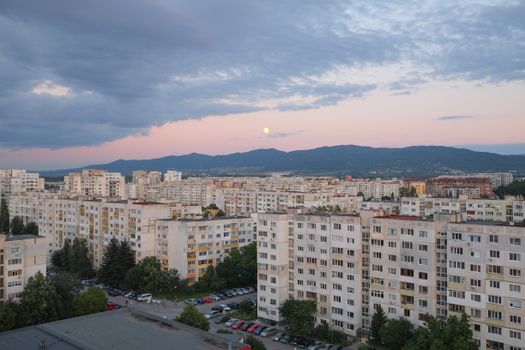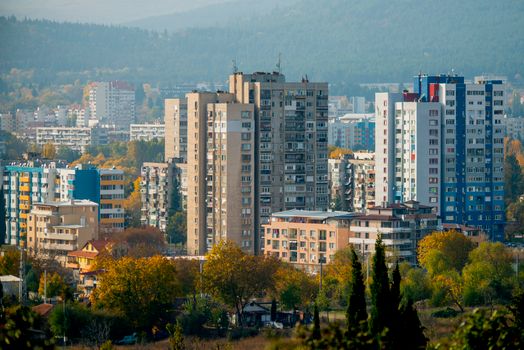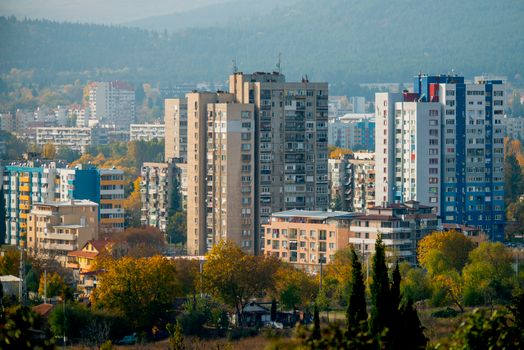
Bulgaria’s real estate market is in the midst of transformation, and one of the most pressing questions for locals and expats alike is whether to buy or rent an apartment. This decision is about more than just finances—it affects lifestyle, mobility, and long-term security. With property prices in Sofia rising by over 60% since 2015 and the average monthly rent in the capital now approaching €600 for a central two-bedroom apartment, the stakes are higher than ever. Let’s unravel the complexities of buying versus renting in Bulgaria, explore the hidden costs, lifestyle trade-offs, and long-term implications so you can make an informed choice tailored to your needs.
The Bulgarian Property Landscape: A New Era
Bulgaria’s apartment market has changed dramatically over the past decade. Property ownership was once the norm, with over 85% of Bulgarians owning their homes, according to Eurostat. But urbanization, a rising expat community, and a growing rental sector—especially in Sofia, Plovdiv, Varna, and Burgas—have shifted the balance.
Sofia, as the economic powerhouse, leads the pack. In 2023, the average purchase price per square meter in Sofia reached €1,650, compared to €1,200 in Varna and €950 in Plovdiv. Rental prices have also surged, with high demand for modern, centrally located apartments driving up costs. Meanwhile, smaller cities and towns remain more affordable, both to buy and rent, but often lack the amenities and job opportunities of larger urban centers.
.png)
Before making the leap, it’s essential to understand not just the sticker price, but also the broader economic, legal, and lifestyle environment in Bulgaria.
The Financial Equation: Costs of Buying vs Renting
At first glance, buying might seem like the obvious choice—especially with Bulgaria’s historically low property taxes and the potential for capital appreciation. But there’s more beneath the surface. Let’s compare the main costs associated with both options:
| Expense | Buying (One-Time/Annual) | Renting (Monthly/Annual) |
|---|---|---|
| Down Payment | 10-20% of property price (€15,000–€30,000 for €150,000 property) | None |
| Mortgage Interest | 2.5-3.5% annually (variable) | None |
| Property Tax | 0.15-0.20% of property value/year | None |
| Maintenance & Repairs | €500–€1,000/year (average) | Typically included in rent |
| Agency/Legal Fees | 3-5% of property price (one-time) | 0.5-1 month’s rent (one-time) |
| Monthly Rent | None (except HOA if applicable) | €400–€1,000+ (city-dependent) |
For a €150,000 apartment in Sofia, your upfront costs as a buyer could easily exceed €20,000, while a typical renter might only pay a deposit and one month’s rent in advance. However, buyers build equity and may benefit from property value appreciation, whereas renters retain flexibility and avoid long-term financial commitment.
Lifestyle and Flexibility: Which Suits You?
One of the main advantages of renting in Bulgaria is flexibility. Many expats, young professionals, and students value the ability to move cities or neighborhoods with short notice. Lease agreements are typically 12 months, and breaking a lease—while possible—carries minimal penalties compared to the process of selling a property.
Homeownership, on the other hand, is suited to those seeking stability. It often makes sense for families or individuals planning to stay in Bulgaria for over five years, or those wanting to customize their living space. Renovations, pet ownership, and home upgrades are less restricted when you own.
Consider these lifestyle questions: - Do you foresee career changes or relocations? - Are you planning to expand your family? - Do you value the freedom to decorate, renovate, or own pets?According to a 2022 survey by the National Statistical Institute, over 40% of renters in Sofia cited “flexibility” as their primary reason for not buying, while 55% of owners named “long-term security” as their top motivation.
Market Trends: Is Now the Time to Buy or Rent?
Property prices in Bulgaria have climbed steadily, with the Bulgarian National Bank reporting an average annual increase of 7.3% in residential property values since 2018. The COVID-19 pandemic briefly slowed the market, but 2021-2023 saw renewed interest and price acceleration, especially in Sofia and the Black Sea coast.
Despite rising prices, Bulgaria remains among the most affordable EU countries for real estate. Mortgage interest rates are relatively low, hovering around 2.8% in 2024, and property taxes are among the lowest in Europe.
The rental market has also matured. More landlords offer modern, furnished apartments with amenities like high-speed internet and security, targeting both locals and the growing digital nomad community. However, rental prices in Sofia rose by 12% in 2023, putting pressure on affordability.
If you are considering buying as an investment, think about rental yields. In Sofia, gross rental yields for apartments average 4.5-5.5%, which is attractive compared to other European capitals. “Buy-to-let” investments are popular, but success depends on location, property condition, and tenant demand.
Legal and Bureaucratic Considerations
Bulgaria’s property laws are relatively straightforward for EU citizens, who can buy apartments and land without restriction. Non-EU citizens can purchase apartments but may face restrictions when it comes to land or houses with gardens.
Key legal steps when buying include: - Verifying property title through the Registry Agency - Due diligence on outstanding debts or utilities - Engaging a notary for the sale - Paying transaction taxes (usually 2-3% of the sale price) - Registering ownership with local authoritiesRenting is far simpler. Standard rental agreements usually require a deposit equal to one month’s rent, first month’s rent upfront, and sometimes a small agency fee. Tenants have strong legal protection, but eviction for non-payment is possible after due process.
For both buyers and renters, using a reputable real estate agent and legal advisor is highly recommended. This helps avoid scams, hidden fees, or legal complications, which, while not widespread, do occur—especially in fast-moving urban markets.
Long-Term Returns and Risks
Buying an apartment in Bulgaria is often viewed as a long-term investment. Properties in prime locations—close to universities, business hubs, or the Black Sea—have shown consistent appreciation. For example, apartments in Sofia’s Lozenets or Studentski Grad neighborhoods increased in value by more than 35% between 2018 and 2023.
However, there are risks: - Potential for market corrections - Liquidity challenges (reselling can take months) - Unexpected repair or renovation costs - Changes in local tax or property lawsRenting, while not offering the possibility of capital gains, shields you from property market volatility and the burden of major repairs or maintenance. For short- to medium-term residents, or those uncertain about their future in Bulgaria, renting can be the safer, less stressful choice.
Making Your Decision: What Fits Your Bulgarian Dream?
Ultimately, the decision to buy or rent an apartment in Bulgaria depends on your financial situation, life plans, and appetite for risk.
Buying is ideal if: - You plan to stay for at least 5-7 years - You have enough savings for a down payment and unforeseen costs - You want to build equity and potentially generate rental income Renting is preferable if: - You value flexibility and low upfront costs - You’re uncertain about your long-term plans - You want to avoid the responsibilities of property maintenanceEvery individual or family’s circumstances are unique. By weighing the financial numbers, legal implications, lifestyle needs, and current market trends, you can confidently choose the path that aligns best with your vision of life in Bulgaria.