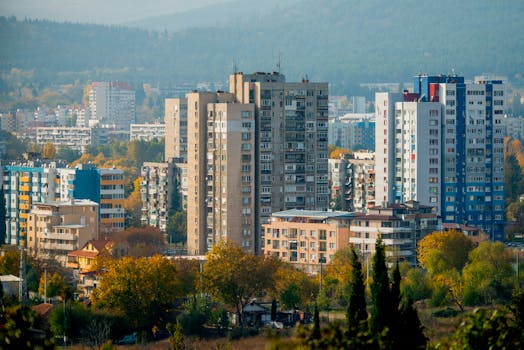
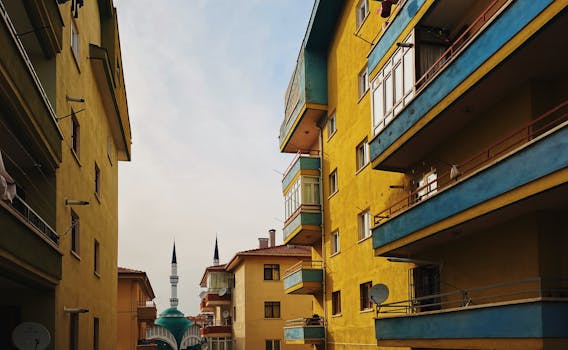
The rapid transformation of Bulgaria’s urban landscapes is profoundly marked by the rise of apartment living, which has become a central feature in cities like Sofia, Plovdiv, Varna, and Burgas. This trend reflects broader economic, demographic, and lifestyle shifts, playing a pivotal role in the country’s urban development strategy.
Economic Drivers of Apartment Popularity
Bulgaria's economy has seen robust growth in recent decades, spurred by increasing foreign investment and a burgeoning IT sector. This economic upturn has escalated the demand for residential spaces, with a particular emphasis on apartments. These units appeal for their blend of luxury and practicality, offering amenities that cater to a modern lifestyle while ensuring security and convenience. In response, developers have increasingly invested in high-rise apartment buildings, which are now a common sight in Bulgaria's urban centers.
.png)
Demographic Trends and Urban Migration
The demographic evolution in Bulgaria has been characterized by significant urban migration. Many Bulgarians have moved from rural to urban areas, driven by the search for better job prospects and living conditions. This shift has naturally increased the demand for urban housing, with apartments emerging as a favored option due to their affordability and strategic urban locations. Additionally, Bulgaria's aging population has influenced apartment developments, with older adults preferring these accessible, low-maintenance residences.
Lifestyle Influences and Modern Living
Changing lifestyle preferences, particularly among the younger population, have also played a crucial role in the proliferation of apartment complexes. Millennials and younger generations are drawn to apartments for their proximity to work, entertainment, and social amenities, aligning with their preference for vibrant, urban lifestyles. This demand has led to the rise of mixed-use developments that combine residential, retail, and recreational spaces, offering an integrated living experience that attracts a dynamic urban populace.
Architectural and Environmental Considerations
Today’s apartment complexes in Bulgaria are not just about high rises; there is a growing emphasis on sustainable and energy-efficient design. Modern developments often include features like solar panels, energy-efficient appliances, and dedicated green spaces, catering to an environmentally conscious consumer base. These features not only enhance the living experience but also contribute to the broader goal of sustainable urban development.
Government Policies and Urban Planning
The Bulgarian government has influenced the apartment boom through targeted urban planning and housing policies. Efforts to revitalize city centers and redevelop former industrial areas have created new opportunities for apartment constructions. These initiatives are crucial for managing the growing urban population and fostering sustainable community environments.
Challenges and Future Perspectives
Despite the benefits, the rapid expansion of apartment developments has brought challenges, including urban sprawl and increased pressure on city infrastructure and services. Addressing issues such as traffic congestion, water management, and waste disposal is critical to ensure that these developments positively contribute to urban environments.
Impact on Real Estate Market
The shift towards apartment living has significantly energized Bulgaria's real estate market, creating a dynamic sector characterized by a competitive environment for sales and rentals. Furthermore, the appeal of these developments has extended beyond local buyers to attract foreign investors, thereby injecting additional vitality into the economy.
Conclusion
Apartments have undeniably shaped Bulgaria's urban development, influenced by economic growth, demographic changes, and lifestyle shifts. While they offer numerous advantages, addressing the associated urbanization challenges through strategic planning and sustainable practices is essential. By doing so, Bulgaria can ensure that its cities remain livable, efficient, and attractive for future generations, continuing to leverage apartments as a cornerstone of urban living.