Living in a Bulgarian apartment can provide a unique and culturally rich experience, but it is important to weigh both the benefits and potential downsides. Here's an overview to help you make an informed choice:
Pros of Living in a Bulgarian Apartment
- Affordability:
One of the standout benefits of residing in a Bulgarian apartment is affordability. The cost of living is significantly lower compared to many Western European countries, encompassing rent, utilities, and general living expenses. This makes Bulgaria particularly attractive for those on a budget or looking to stretch their retirement savings further.
.png)
- Proximity to Amenities:
Many Bulgarian apartments are ideally situated close to city centers, which means easy access to supermarkets, restaurants, cafes, and public transportation. This proximity can greatly enhance daily convenience and reduce the need for a personal vehicle.
- Rich Cultural Environment:
Bulgaria boasts a deep historical and cultural heritage. Living in an apartment often means living close to the heart of historical cities, where you can explore ancient sites, museums, and cultural festivities that give a glimpse into the nation's past and present.
- Community Feel:
The communal aspect of apartment living in Bulgaria helps foster a sense of belonging and security. It's common for residents to develop close ties with neighbors, creating a supportive and friendly environment.
Cons of Living in a Bulgarian Apartment
- Older Infrastructure:
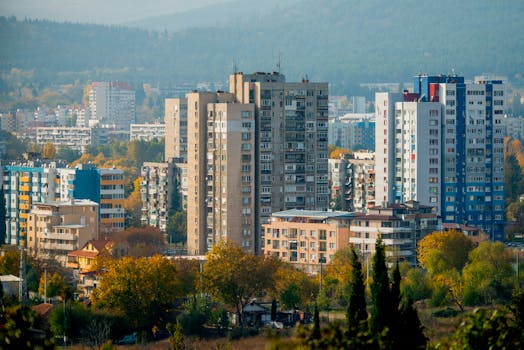
Many apartment buildings in Bulgaria date back to the Soviet era and may lack modern amenities. Residents might face issues like unreliable plumbing, aging electrical systems, and insufficient heating during the winter months. While there are newer, more modern apartments, these typically come at a higher price point.
- Limited Space and Privacy:
Space can be a premium in older Bulgarian apartments, which might pose challenges for families or those accustomed to larger living spaces. The close quarters can also mean less privacy from neighbors.
- Noise Levels:
Particularly in urban areas, the noise from streets and neighboring apartments can be a significant concern. This can be a stark adjustment for those used to quieter, more suburban or rural environments.
- Parking Issues:
Finding parking in Bulgarian cities can be frustrating, as many older apartment blocks do not include dedicated parking spaces. This might necessitate additional costs or time spent searching for safe parking spots.
- Bureaucracy and Management:
Navigating the administrative aspects of living in an apartment—such as dealing with property management or sorting out utility issues—can be particularly challenging in Bulgaria. The bureaucracy can be cumbersome, especially for those who are not fluent in Bulgarian or unfamiliar with local administrative practices.
Final Thoughts
Choosing to live in a Bulgarian apartment can be a financially sensible and culturally enriching decision. However, it's important to consider the potential challenges related to infrastructure, space, and administration. As with any significant decision, thorough research and ideally a visit to the prospective area are recommended to ensure the best possible living experience in Bulgaria.