The Bulgarian Apartment Market: Past, Present, and Future
The Bulgarian apartment market has undergone dramatic changes over the past few decades, reflecting the country’s shifting economic landscape, demographic trends, and integration into the European Union. Once characterized by state-controlled housing and uniform panel blocks, Bulgaria’s cities now offer a vibrant mix of renovated classics, new developments, and a rising tide of investment. For residents, investors, and anyone interested in Bulgaria’s urban transformation, understanding the evolution and outlook of the apartment market is key. This article explores the history, current dynamics, and future prospects of Bulgarian apartments, providing data-driven insights and expert perspective on one of Eastern Europe’s most intriguing property markets.
From State Housing to Private Markets: A Brief History
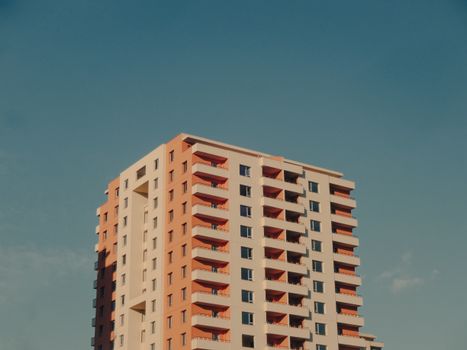
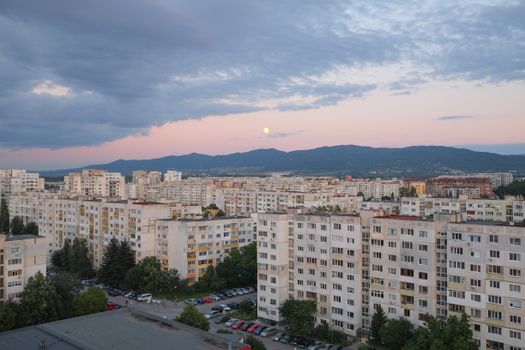
To understand today’s apartment market in Bulgaria, it’s essential to look back at its roots. During the socialist period (1946-1989), nearly all urban housing was state-owned. The government built vast blocks of prefabricated panel apartments (known as “panelki”) to accommodate a rapidly urbanizing population. By the late 1980s, over 80% of Bulgarians lived in state-provided flats, and private ownership was rare.
After 1989, Bulgaria’s transition to a market economy brought sweeping changes. Mass privatization saw more than 90% of apartments transferred to their occupants by the mid-1990s. This sudden shift created a nation of homeowners, with over 85% of Bulgarians owning their residences by the early 2000s—a figure that remains among the highest in Europe.
.png)
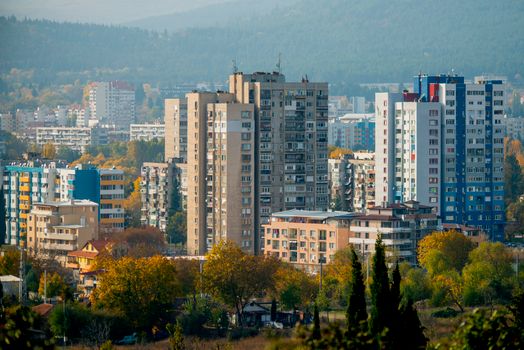
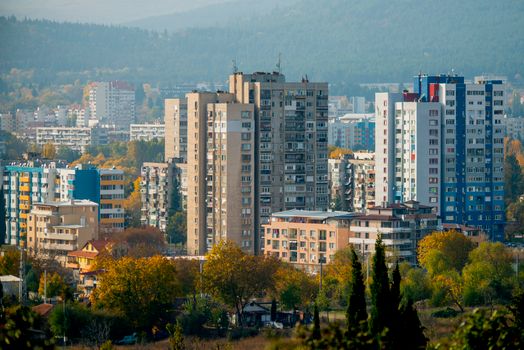
The 2000s brought a construction boom, particularly after Bulgaria joined the EU in 2007. New apartment buildings sprouted in Sofia, Plovdiv, Varna, and Burgas, often targeting both local buyers and foreign investors. The Global Financial Crisis of 2008-2009, however, hit the real estate sector hard, leading to declining prices and stalled projects. Recovery began in the mid-2010s, setting the stage for the market we see today.
Current Trends Shaping the Bulgarian Apartment Market
The present-day Bulgarian apartment market reflects a blend of legacy issues and new dynamics. Here are some of the most notable trends:
1. $1 Since 2015, apartment prices in Bulgaria’s major cities have steadily increased. According to the National Statistical Institute (NSI), Sofia’s average apartment price per square meter rose from 800 EUR in 2014 to over 1,600 EUR in 2023. Plovdiv, Varna, and Burgas have seen similar, if slightly lower, growth rates. 2. $1 Population growth in urban centers, coupled with limited new construction during the pandemic, has led to supply shortages. In Sofia, demand for new apartments outpaces supply by an estimated 20% as of late 2023. 3. $1 New developments emphasize energy efficiency, smart technology, and higher construction standards. Buyers now expect features like underground parking, security, and green spaces—amenities rare in older panel blocks. 4. $1 While the market is still primarily domestic, EU citizens and investors from Russia, Israel, and the UK continue to buy apartments in Bulgaria, especially in resort areas and Sofia. 5. $1 With Bulgaria’s growing tech sector and digital nomad appeal, the rental market is expanding. Sofia’s rental yields averaged 4.5% in 2023, higher than many EU capitals.Data Overview: Regional Price Differences and Market Performance
Bulgaria’s apartment market is far from uniform. Prices and trends vary significantly between the capital, secondary cities, and coastal or mountain resort areas. The table below summarizes average apartment prices per square meter in 2023 (source: Bulgarian Properties, NSI, local agencies):
| City/Region | Average Price (EUR/m²) | Yearly Price Change (%) | Rental Yield (%) |
|---|---|---|---|
| Sofia | 1,650 | +9.2 | 4.5 |
| Plovdiv | 1,200 | +8.1 | 4.2 |
| Varna | 1,150 | +7.5 | 4.0 |
| Burgas | 1,050 | +7.3 | 3.8 |
| Bansko (Mountain resort) | 700 | +5.0 | 5.2 |
| Sunny Beach (Coastal resort) | 900 | +6.0 | 5.8 |
Challenges Facing the Bulgarian Apartment Sector
Despite its positive momentum, the Bulgarian apartment market faces several significant challenges:
1. $1 Over 60% of existing apartments in Bulgaria were built before 1990, many in the panel block style. These buildings often suffer from poor energy efficiency, outdated layouts, and maintenance issues. Government renovation programs have been slow, leaving many owners to undertake costly upgrades themselves. 2. $1 While prices are lower than in Western Europe, wage growth has not kept pace with property values. As of 2023, the average Bulgarian household needs over 11 years of full income to buy a 70 m² apartment in Sofia, up from 8 years a decade ago. 3. $1 Property transactions can be slowed by complex regulations, unclear title histories (especially for older apartments), and slow administrative processes. 4. $1 Rapid urbanization is straining infrastructure in Sofia and other major cities. There is growing demand for better transport, green spaces, and public services to match the expansion of apartment complexes.Opportunities: Innovation and Sustainable Growth
Despite its challenges, the Bulgarian apartment market offers unique opportunities for both homeowners and investors:
1. $1 The vast stock of older apartments presents a lucrative niche for renovations. Upgrading insulation, windows, and interiors can significantly increase property value and rental potential. EU-funded programs and municipal initiatives are starting to accelerate this trend. 2. $1 Developers are increasingly incorporating sustainable materials, energy-saving technologies, and smart home features into new projects. Sofia’s first certified “green” apartment complex opened in 2019, and several others are under construction. 3. $1 Online platforms and property tech solutions are streamlining the buying, selling, and renting process. Virtual viewings, e-signatures, and digital property management tools gained traction during the pandemic and are here to stay. 4. $1 Bulgaria’s low cost of living, EU membership, and improving broadband infrastructure make it attractive for digital nomads and remote professionals. This is fueling demand for both short-term rentals and high-quality, centrally located apartments.Predicting the Future: What’s Next for Bulgarian Apartments?
Forecasting the future of Bulgaria’s apartment market requires balancing optimism with caution. Here are some likely trends for the next 5-10 years:
- $1 Sofia, Plovdiv, and Varna will remain magnets for internal migration, driving ongoing demand for apartments. - $1 After years of rapid increases, experts predict price growth will moderate to 4-6% per year in major cities, barring major economic shocks. - $1 EU climate goals and rising energy costs will push more developers and owners to invest in energy efficiency and green building practices. - $1 Policymakers and developers will need to address the growing gap between incomes and apartment prices, possibly through subsidized loans, social housing, or public-private partnerships. - $1 Bulgaria’s population is shrinking and aging, which could impact long-term demand. However, the trend toward smaller households and more single-person living may offset some of this effect, especially in urban areas.Final Thoughts on the Bulgarian Apartment Market
The story of Bulgaria’s apartment market is one of transformation: from state-planned housing to a dynamic, diverse sector driven by market forces, urbanization, and European integration. Despite its challenges—aging stock, affordability pressures, and regulatory hurdles—the market remains resilient and full of potential. Investors, homeowners, and renters alike can benefit from staying informed about regional trends, modernization opportunities, and the ongoing evolution of Bulgarian cities. As the country continues to modernize and attract new residents, the apartment market will remain a key indicator of Bulgaria’s economic and social future.