Bulgaria's journey through architectural time showcases a fascinating evolution from ancient simplicity to modern sophistication. This transformation is vividly reflected in its residential buildings, particularly apartments, which encapsulate the cultural and historical shifts that have shaped the nation.
Ancient Foundations: Thracians to Romans
The architectural story of Bulgaria begins with the Thracians, known for their simple yet functional homes made from wood and mud. These structures were primarily designed to offer refuge from the elements, with few rooms and basic design. The Roman conquest introduced more durable materials like stone and brick, significantly altering the Bulgarian architectural landscape. Roman influence brought about the inclusion of mosaics, frescoes, and a more complex structural design featuring arches and columns, remnants of which can still be seen in cities like Sofia and Plovdiv.
.png)
Medieval and Ottoman Contributions
As the Bulgarian Empire rose to prominence in the medieval period, the influence of Byzantine architecture became evident. Homes were constructed with thick stone walls for protection and featured more intricate layouts around central courtyards to accommodate family and communal activities. The later Ottoman rule left an indelible mark on Bulgarian residential architecture, introducing Islamic elements such as ornate wood carvings and tiled roofs. The "konak" or Ottoman house was designed with distinct public and private areas, centered around serene courtyards, reflecting a design philosophy that prioritized privacy and tranquility.
Revival and Renaissance
The National Revival period was significant in redefining Bulgarian architecture, steering it back to its roots while incorporating Baroque and Rococo influences from Western Europe. This era's homes were often elaborate, with rich decorations and extended upper floors, symbolizing a resurgence of national pride and identity.
Modern Transformations
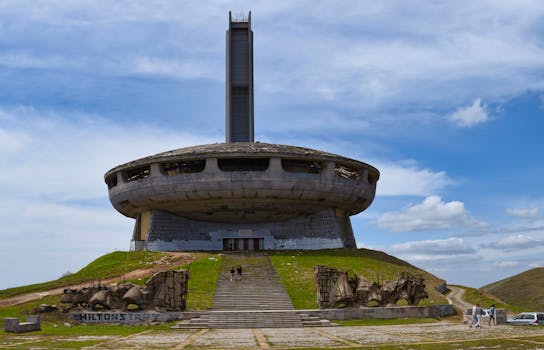
The 20th century brought about radical changes with the onset of industrialization, leading to the rise of apartment blocks. These were primarily functional, designed to address the housing needs of a growing urban population. The utilitarian style was predominant, focusing on affordability and practicality over aesthetics.
Contemporary Bulgarian Apartments
Today, Bulgarian apartments are a testament to the country's architectural journey, blending modern design elements with historical influences. In urban centers like Sofia and Varna, one can observe high-rise buildings equipped with state-of-the-art amenities alongside beautifully renovated historical apartments. The focus in contemporary apartment design is on maximizing space, enhancing natural light, and promoting energy efficiency, utilizing a mix of modern and traditional materials to create both stylish and sustainable living spaces.
Real Estate Dynamics
The Bulgarian real estate market caters to a diverse range of preferences, offering everything from luxurious modern apartments in skyscrapers to quaint, historical flats in rehabilitated buildings. Bulgaria's EU membership and strategic geographical location have bolstered its appeal as a destination for residential and investment opportunities, attracting a global audience interested in its unique architectural heritage and modern conveniences.
Conclusion
From the ancient dwellings of the Thracians to the sophisticated apartment complexes of today, Bulgarian residential architecture is a rich mosaic of historical influences and modern advancements. For potential homeowners and investors, Bulgaria offers a unique blend of historical allure and contemporary comfort, making it an attractive and versatile choice in the European real estate market.