Adapting to the Bulgarian Lifestyle: Apartment Edition
Settling into a new country is always an adventure, but adapting to daily life in a Bulgarian apartment brings its own unique set of joys and challenges. Whether you’re moving for work, study, or a fresh start, understanding the rhythms, expectations, and unspoken rules of apartment living in Bulgaria is key to feeling at home. This guide delves beyond the basics, focusing on how to truly integrate into the Bulgarian lifestyle—covering everything from social etiquette to practical household customs, energy-saving habits, and community engagement within apartment buildings. If you’re ready to make the most of your Bulgarian apartment experience, read on for an in-depth look at “apartment culture” in Bulgaria.
The Social Fabric of Bulgarian Apartments: Community, Courtesy, and Customs
Bulgarians are known for their warmth and hospitality, yet apartment living comes with a particular set of social conventions. In most Bulgarian cities, apartment buildings are close-knit communities. Residents often know each other well, and building dynamics can be influenced by longstanding traditions.
One distinctive aspect is the role of the “domoupravitel” (building manager or superintendent), who coordinates communal decisions, maintenance, and collects shared expenses. Regular meetings are held—sometimes monthly, sometimes quarterly—where issues like repairs, security, and cleaning are discussed. Attendance is expected, and participating in these meetings is not just about voicing concerns, but about being part of the building’s social fabric.
.png)
Noise etiquette is another important consideration. While Bulgarians are sociable, they are sensitive to noise levels, especially late at night (after 10pm) or during the traditional afternoon “siesta” (usually 2pm-4pm). Respecting these quiet hours isn’t just good manners—it’s a legal requirement in many municipalities. Neighbors will not hesitate to remind newcomers if these boundaries are crossed.
Building entrances and common areas are often kept spotless, with residents taking turns cleaning staircases or lobbies. In some buildings, a rotating schedule will be posted in the entrance, and failing to do your part can quickly sour neighborly relations. Manners matter: greeting neighbors (“Zdraveyte!” or “Dobro utro!”) as you pass in hallways or elevators is a simple but important gesture.
Apartment Layouts and Living Spaces: Unique Bulgarian Features
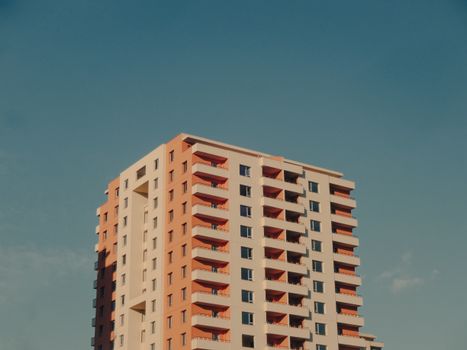
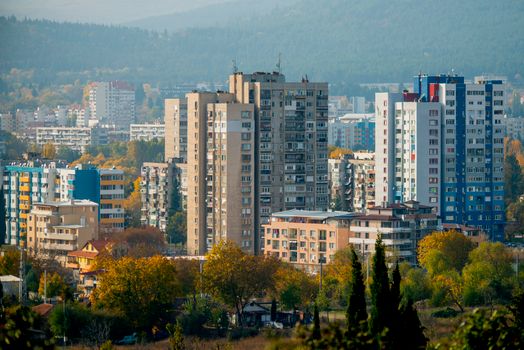
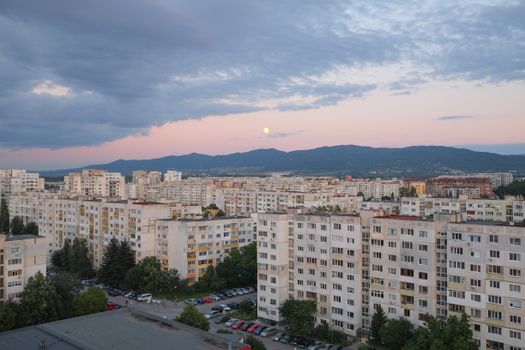
Bulgarian apartments, especially those constructed during the socialist era (1945-1989), have distinct architectural features. Typical layouts include separate kitchens, balconies (often enclosed or used for laundry), and compact rooms designed for multi-functional use. Modern developments offer open-plan living and more Western-style amenities, but older blocks—called “panelki”—still house a large portion of city dwellers.
One unique element is the “wet room” bathroom, where the shower is not separated by a stall or curtain, and the entire room gets wet during use. This can be surprising for newcomers, but it’s practical for cleaning and conserving space. Many apartments also use individual water heaters (“boilers”), which may not provide unlimited hot water—timing showers and laundry becomes a learned skill.
Heating varies significantly depending on the building. Central heating (“toplofikatsiya”) is common in Sofia and a few other cities, with costs divided among residents regardless of individual use. In other areas, heating is by individual electric radiators or wood stoves, requiring careful budgeting during the cold months. According to the National Statistical Institute of Bulgaria, approximately 61% of Bulgarian households use central heating, while 29% rely on electric appliances.
Balconies are often used as extra storage, mini-gardens, or for drying clothes. Many Bulgarians take pride in their “lozhnitsa” (balcony garden), growing herbs and flowers even in high-rise apartments.
Resourcefulness and Sustainability: Bulgarian Apartment Habits
Adapting to Bulgarian apartment life means embracing resourcefulness. Decades of economic transition have fostered a culture of “do-it-yourself” repairs and creative re-use. Many residents handle minor plumbing, electrical, or decorating tasks themselves. Neighbors may lend tools or advice—don’t be shy to ask, as this can be a great way to make connections.
Energy efficiency is a priority due to high utility costs relative to average incomes. Bulgarians are adept at minimizing waste: turning off lights when leaving a room, unplugging appliances, and using thick curtains to retain heat in winter. Solar water heaters are increasingly popular in newer developments, while older apartments might rely on heavy woolen blankets and layered rugs for warmth.
Recycling practices are evolving. In Sofia and other large cities, separate bins for glass, plastic, and paper are available, but apartment dwellers often organize informal recycling efforts within their buildings. Composting on balconies is also catching on, especially among younger residents.
According to Eurostat, the average monthly electricity bill for a Bulgarian apartment in 2023 was around 90 BGN (about €46), which is a significant portion of the average monthly wage of 1,850 BGN (€945). These numbers encourage mindful usage and collective responsibility in apartment communities.
Celebrations, Food, and Hospitality: Inviting Bulgarian Traditions Home
While Bulgarian apartments may be modest in size, they are rich in hospitality. Hosting friends and family is a cherished tradition, often centered around homemade food and heartfelt conversation. Even small apartments are transformed for gatherings, with tables extended and extra chairs borrowed from neighbors.
Food is central to Bulgarian life, and many apartment dwellers maintain strong ties to rural relatives, sourcing homemade cheeses, preserves, and wines. Sunday mornings may be filled with the smell of “banitsa” (cheese pastry) baking, while guests are often welcomed with “rakia” (fruit brandy) and a toast.
During major holidays, like Christmas or Easter, apartment buildings come alive with shared meals and gift exchanges. It’s not uncommon for neighbors to send plates of food to each other, fostering a sense of community. Learning a few traditional recipes or participating in these customs goes a long way toward building lasting relationships.
Comparing Bulgarian Apartment Living to Other European Countries
How does Bulgarian apartment life stack up against other European nations? The table below compares several key aspects:
| Aspect | Bulgaria | Germany | Spain | Sweden |
|---|---|---|---|---|
| Average Apartment Size (m²) | 70 | 92 | 90 | 83 |
| Heating Type | Central/Electric/Wood | Central/Gas | Electric/Gas | Central/District |
| Community Engagement | High (Building Meetings) | Moderate (HOAs) | Moderate | High (Tenant Associations) |
| Noise Restrictions | Strict (Siesta & Night) | Strict (Quiet Hours) | Moderate | Strict |
| Monthly Rent (EUR, City Center) | €600 | €1,200 | €1,100 | €1,400 |
As the table shows, Bulgarian apartments tend to be smaller and less expensive, with a strong emphasis on community and shared responsibility. Heating systems, noise etiquette, and community engagement all vary, but Bulgaria’s combination of affordability and social cohesion is a distinguishing feature.
Overcoming Challenges: Practical Tips for a Smooth Transition
Adapting to the Bulgarian apartment lifestyle can present a few hurdles for newcomers, but preparation and an open mind make all the difference.
1. Language Barriers: While many younger Bulgarians speak English, older residents may not. Learning a few Bulgarian phrases or using translation apps can ease communication, especially during building meetings or when resolving maintenance issues. 2. Paying Bills: Utility bills often arrive as paper invoices, requiring payment at banks, post offices, or online platforms. Understanding the payment process and deadlines is essential—late payments can result in service interruptions. 3. Security: Most apartment buildings have secure entrances, but petty theft can occur. Always lock doors and avoid leaving valuables in common areas. 4. Maintenance: Be proactive about reporting issues to the building manager and keep contact information for reliable plumbers or electricians. In some buildings, residents maintain a shared list of trusted service providers. 5. Integration: Attend building meetings, participate in communal cleaning, and accept (or offer) invitations to neighbors’ gatherings. Small gestures—like sharing homemade treats or helping with a heavy package—go a long way.Conclusion
Adapting to apartment life in Bulgaria is more than just finding a place to sleep—it’s about embracing a lifestyle rooted in community, resourcefulness, and tradition. From navigating building meetings and shared responsibilities to enjoying homemade banitsa with neighbors, the Bulgarian apartment experience offers both challenges and deep rewards. By understanding the rhythms of everyday life, respecting local customs, and participating in the social life of your building, you’ll soon feel not just settled, but truly at home.