The Influence of Tourism on Bulgarian Apartments
Tourism has significantly shaped various industries globally, and the real estate market in Bulgaria, particularly in the apartment sector, has seen notable transformations due to this influence. This article delves into how tourism has affected apartment prices, availability, and quality in Bulgaria, offering a detailed perspective for potential investors and property owners.
Impact on Apartment Prices
.png)
In tourist-favored cities such as Sofia, Varna, and Burgas, there has been a noticeable increase in apartment prices. This surge is largely due to the growing demand for short-term rentals, which encourages property investors to purchase in areas with high tourist traffic. Although this scenario is advantageous for investors seeking significant returns, it creates a challenge for locals who are in search of more affordable housing options.
Availability and Development of New Apartments
The escalation in tourist activities has prompted the development of new apartment projects in Bulgaria. Developers are eager to tap into the profitable market of tourist rentals, leading to a boom in construction, particularly in popular destinations. This expansion not only enhances the infrastructure but also potentially increases the housing supply. However, it also poses questions about sustainable growth and the risk of excessive building, which could result in future market downturns.
Quality of Apartments
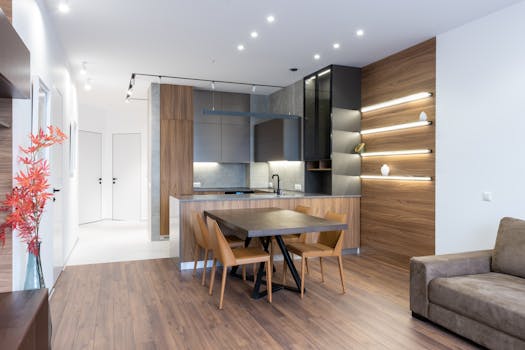
Tourism has also influenced the quality of apartments available in Bulgaria. To appeal to international tourists, many property owners have upgraded their units to meet the higher standards these visitors expect. This shift has improved the overall quality of rental accommodations but has also led to higher rental and property costs, impacting the affordability for local residents.
Practical Examples
In coastal cities like Varna, the summer tourist influx has significantly transformed the local apartment market. Today, properties aimed at tourists boast amenities such as Wi-Fi, contemporary furnishings, and air conditioning—features that were less common a decade ago. Moreover, the rise of platforms like Airbnb has simplified the process for homeowners to lease their apartments, further stimulating investment in this sector.
Conclusion and Recommendations
Tourism's impact on Bulgarian apartments offers both opportunities and challenges. While it has resulted in increased property values and enhanced accommodation quality, it has also made housing less accessible for many locals. Potential investors should consider these dynamics and aim for sustainable investments that balance profitability with community and economic impacts. For those interested in entering the Bulgarian apartment market, it is wise to focus on regions with sustainable tourism growth and to contemplate the long-term effects on the local community and economy.