A Historical Look at Bulgaria's Apartment Architecture
Bulgaria, a land with a deeply layered history, showcases an architectural tapestry that narrates its diverse influences and evolving cultural identity. The development of apartment architecture in Bulgaria, in particular, offers a compelling lens through which to view the nation's historical and socio-economic transformations. This article traces the progression of this architectural form from ancient times to the present day, highlighting the distinctive styles and shifts that have characterized each period.
Roman Beginnings and Medieval Foundations
.png)
The journey of Bulgaria's residential architecture starts in antiquity when the region was part of the Roman Empire. The ancient cities like Plovdiv and Sofia still bear the remnants of Roman villas and complexes that hint at early communal living structures. These foundational elements laid the groundwork for more complex forms of housing that would evolve in the centuries to come.
Bulgarian Revival: Aesthetic and Functional Emergence
Jumping forward to the Bulgarian Revival period (18th and 19th centuries), there was a significant aesthetic transformation in residential architecture. This era is celebrated for its beautifully ornate wooden facades, expansive bay windows, and pronounced eaves, elements that can still be admired in the historic towns like Veliko Tarnovo and Koprivshtitsa. These features, while predominantly seen in houses, influenced the broader perspectives on residential aesthetics and utility.
Early 20th Century: European Influences and Modernism
The early 20th century marked a pivotal shift with Bulgarian architects embracing modernist principles influenced by the European avant-garde. This period, especially the interwar years, saw the rise of streamlined apartment buildings featuring functional layouts, flat roofs, and minimalistic decor. Sofia, the capital city, emerged as a hub for this new architectural ethos, with landmarks such as the Largo complex illustrating the move towards geometric simplicity and functionalism.
Socialist Era: The Rise of 'Panelki'
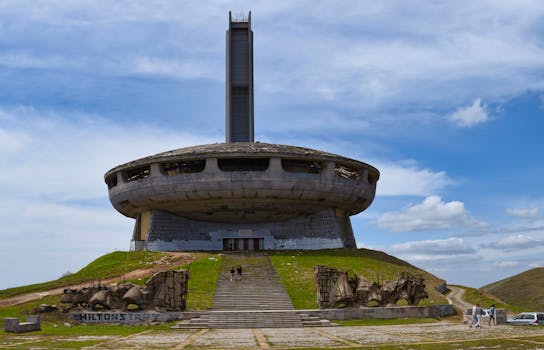
Post-World War II Bulgaria under socialist rule witnessed a significant urbanization wave. The state orchestrated a vast construction spree of residential blocks, known locally as "panelki," to accommodate the burgeoning urban populace. Characterized by their uniform and pragmatic design, these prefabricated buildings dominate landscapes in districts like Mladost and Lyulin in Sofia. Although not particularly celebrated for their aesthetic appeal, these structures were crucial in addressing the immediate housing crises of the era.
Post-Communist Transformation and Modern Innovations
The fall of communism in 1989 ushered in a new era for Bulgarian architecture. The shift towards a market economy revitalized the real estate sector, attracting private developers and fostering a diversification in apartment styles. Modern Bulgarian apartments now blend luxurious elements with eclectic influences ranging from high-tech to post-modernism. This period has also been marked by a heightened focus on sustainability and energy efficiency, aligning with global architectural trends.
Contemporary Trends and Future Directions
Today, Bulgaria's urban landscapes continue to evolve, with apartment architecture playing a central role in this transformation. The integration of green spaces, sustainable materials, and smart technologies is increasingly prevalent, showcasing a future where functionality and environmental consciousness coexist seamlessly.
Conclusion
The historical evolution of apartment architecture in Bulgaria vividly mirrors the nation’s broader historical, political, and economic narratives. From the ornate embellishments of the Bulgarian Revival period to the minimalist ethos of modernism, and through to the pragmatic socialism era, each phase has contributed uniquely to the country's skyline. As Bulgaria navigates its post-communist era, its architectural domain remains a vibrant and evolving testament to its rich, multifaceted heritage.