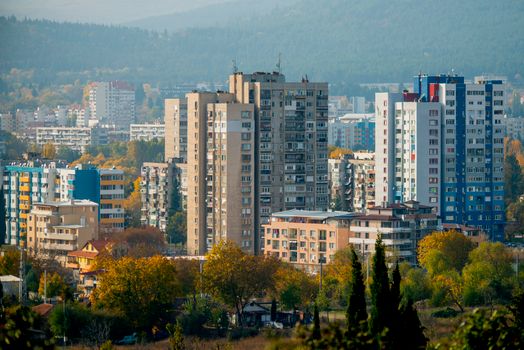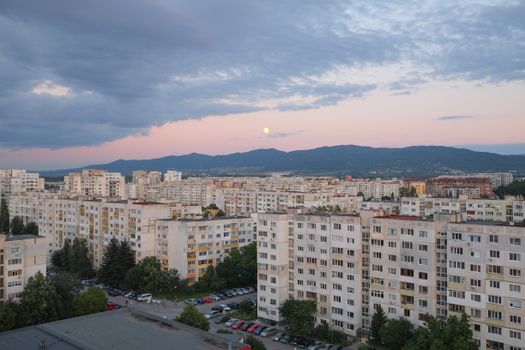
The transformation of Bulgaria's apartment rental market through digital platforms has led to a more accessible, transparent, and efficient process for both landlords and tenants. These online tools bridge the gap between renters and property owners, offering a multitude of listings that are easily navigable through sophisticated search functionalities. In urban centers such as Sofia, Plovdiv, and Varna, where the pace of life and demand for housing are both high, these platforms are particularly valuable.
Digital platforms like Airbnb, Booking.com, Imoti.net, and Homes.bg have become popular by providing detailed property information, including photos and virtual tours, which allow potential renters to make well-informed decisions remotely. This is a significant improvement over traditional apartment hunting methods, which typically required numerous physical property visits and often relied on less information.
Transparency is significantly enhanced through user reviews and ratings, which offer insights into the experiences of previous tenants. This feature is instrumental in fostering a trustworthy rental environment, helping to screen out unreliable landlords and reduce the prevalence of rental scams.
.png)
From a landlord's perspective, digital platforms expand market reach beyond traditional local audiences. This global exposure is particularly beneficial for those looking to rent out their properties quickly and efficiently. Additionally, many digital platforms provide tools to manage listings, reservations, and communications with potential renters, along with services such as contract facilitation and payment processing, further easing the landlord's burden.
Despite these benefits, the surge in the use of digital platforms for apartment rentals in Bulgaria is not without its challenges. The rise in short-term rental listings, driven by platforms like Airbnb, has raised concerns about the reduction in available long-term rental properties, particularly in tourist-frequented areas. This shift can lead to increased rental prices and reduce housing affordability for local residents.
However, the overall influence of digital platforms on the Bulgarian apartment rental market remains overwhelmingly positive. By providing easier access to a wide range of rental options, enhancing transparency through user-generated content, and simplifying the management of rental properties, these platforms have modernized an essential aspect of Bulgaria's housing market.
As technology continues to advance, it is expected that digital platforms will play an increasingly vital role in shaping not only the way apartments are rented but also the broader economic and social contexts of housing in Bulgaria. The ongoing evolution of these digital tools promises to further refine and redefine the dynamics of the rental market, making it more aligned with the needs and preferences of modern society.
In conclusion, the integration of digital platforms into Bulgaria's apartment rental sector has brought about profound changes, making the process more streamlined and user-friendly. As the market adapts and responds to these innovations, the future of real estate in Bulgaria looks set to be increasingly dominated by digital transactions, continuing to benefit landlords and tenants alike.