The Bulgarian apartment rental market is currently undergoing significant transformations, influenced by a variety of economic, demographic, and technological factors. Here’s a detailed overview of the key trends shaping this dynamic market:
Urbanization Drives Demand in Major Cities
Cities such as Sofia, Plovdiv, and Varna are witnessing a robust increase in demand for rental apartments. This surge is largely driven by young professionals and students relocating to these urban centers in search of better employment opportunities and educational institutions. The consequence is a noticeable rise in rental prices, particularly in central areas where demand is most concentrated.
.png)
Growth of Short-Term Rentals
The rise of platforms like Airbnb has catalyzed a shift towards short-term rental accommodations. This trend is particularly strong in tourist-frequented cities, where many landlords are converting their properties from long-term rentals to cater to the short-term market. This shift offers flexibility for travelers but has raised concerns about the reduced availability of long-term rental options.
Enhancements in Property Quality
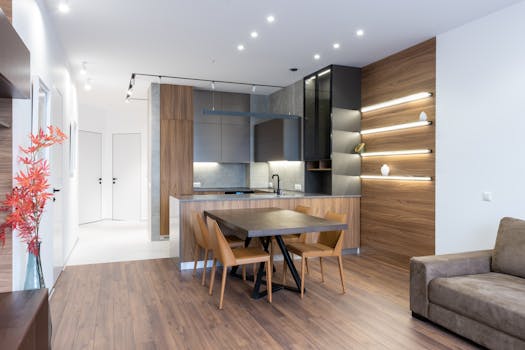
In response to a competitive market, landlords are increasingly investing in property upgrades. Modern amenities such as high-speed internet access, contemporary kitchens, and energy-efficient systems are now more common, enhancing the appeal of rental properties to prospective tenants.
Technological Integration
Advancements in technology have streamlined the rental process significantly. Online platforms for renting, virtual property tours, and digital lease agreements are simplifying and expediting the way tenants and landlords engage with each other. These tools not only enhance efficiency but also expand the potential pool of tenants by reaching a wider audience.
Changing Demographics of Renters
The demographic profile of renters is evolving with an increase in single-person households and a decrease in average household size, leading to higher demand for smaller housing units like studios. Moreover, an aging population is increasingly preferring rental accommodations over homeownership due to the lower maintenance burden and increased flexibility.
Emphasis on Sustainability
Environmental sustainability is becoming a priority among renters. Apartments that offer green features such as solar panels, energy-efficient appliances, and access to green spaces are becoming particularly attractive, as they promise a smaller environmental footprint and potentially lower utility costs.
Regulatory Developments
Changes in regulations aimed at enhancing tenant rights and promoting transparency are transforming landlord operations. New laws are being introduced to ensure clearer rental agreements and to regulate rental price hikes, protecting tenants from potential exploitative practices.
Conclusion
The rental market in Bulgaria is evolving with significant shifts in tenant preferences and behaviors. Stakeholders in the market, including investors, property managers, and renters, need to stay informed and adaptable to navigate these changes effectively. As the landscape continues to develop, those who respond proactively to these trends will likely find success in the burgeoning Bulgarian apartment rental market.