Bulgaria's architectural landscape is a testament to its rich historical tapestry and evolving cultural identity, especially evident in its residential architecture. The country's apartments beautifully meld historical Balkan motifs with contemporary design, creating not only functional living spaces but also aesthetically engaging environments.
Historical Roots and Evolution
Traditional Bulgarian homes, known locally as "Kъща" (Kashta), showcase the skilled use of native materials such as wood and stone. These materials were chosen for their durability and comfort, infusing the structures with a distinctive rustic charm that remains influential in today’s architectural practices. Modern apartments often incorporate stone in decorative exteriors and wood in structural elements like balconies and window frames, paying homage to this historical aesthetic.
.png)
Socialist Influence
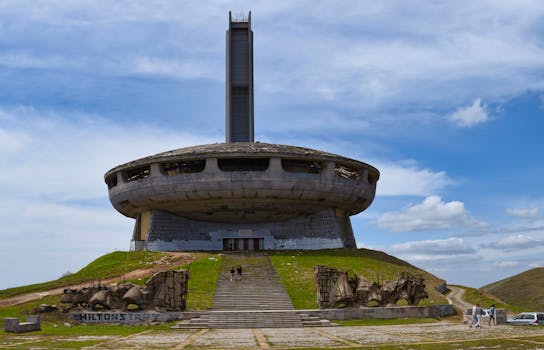
During the socialist period, Bulgaria saw a surge in the construction of residential buildings in the Brutalist style. This architectural style is marked by its minimalist, stark approach and extensive use of concrete. Designed to meet the housing demands of a growing urban population, these buildings featured a functional, uniform design ethos. Though once a symbol of a stringent era, today, they are increasingly valued for their historical significance and unique aesthetic.
Modern Innovations
Post-socialism, Bulgarian architecture experienced a significant shift, embracing modernization and contemporary trends. Newer apartment designs began to feature large glass facades, spacious balconies, and modern materials like steel and reinforced concrete. These elements cater to a lifestyle that values comfort, space, and natural light, reflecting the contemporary aspirations of Bulgarian society.
Functionality Meets Aesthetics
Modern Bulgarian apartments stand out for their effective blend of functionality and visual appeal. Current architectural designs frequently incorporate communal green spaces that foster relaxation and social interaction, enhancing community life and individual well-being. The inclusion of sustainable practices and materials is also prevalent, with features like solar panels and energy-efficient installations becoming standard, underscoring a commitment to environmental sustainability.
Interior Design
The interiors of Bulgarian apartments also reflect a fusion of traditional and modern influences. It’s common to find sleek, contemporary furniture paired with traditional Bulgarian crafts such as hand-woven textiles and pottery. This stylistic convergence not only honors Bulgaria’s cultural legacy but also caters to the comforts of modern-day living.
Urban Integration
In urban centers like Sofia and Plovdiv, the architectural allure of apartments is enhanced by the cities’ vibrant atmospheres. These locations weave together historical sites, bustling markets, and a dynamic arts scene, offering a lively context that enriches the residential architecture. The juxtaposition of old and new, and the blend of traditional and contemporary, significantly accentuate the uniqueness of Bulgarian apartment architecture.
Conclusion
The architectural beauty of Bulgarian apartments encapsulates a unique blend of tradition and modernity, reflecting the nation's rich history and contemporary aspirations. From the rustic allure of traditional designs to the clean lines of modern aesthetics, Bulgarian residential architecture offers an intriguing insight into the country's past and future. For architecture enthusiasts and prospective residents alike, Bulgarian apartments offer both visual pleasure and practical advantages, highlighting their significance in the architectural world.